
Electrical safety is a critical aspect of modern homeownership. Faulty wiring is one of the leading causes of residential fires, often resulting in devastating property loss and endangering lives. Preventing wiring hazards in homes is not just about compliance with codes—it’s about proactive steps that keep your family and property safe. This guide breaks down the most effective strategies for identifying, mitigating, and avoiding electrical dangers before they escalate.
Whether you live in a newly built house or an older property, understanding the risks and best practices for electrical safety is essential. We’ll cover warning signs, practical prevention tips, and how smart technology can help you monitor your home’s electrical system. For those interested in a broader approach to household safety, consider exploring energy system protection at home for more insights on safeguarding your living space.
Understanding the Risks of Faulty Wiring
Many homeowners underestimate the dangers posed by outdated or improperly installed electrical systems. Worn insulation, overloaded circuits, and DIY repairs can all contribute to hazardous conditions. According to the National Fire Protection Association (NFPA), electrical failures or malfunctions are a leading cause of home fires in the United States.
- Outdated wiring in older homes may not meet current safety standards.
- Overloaded outlets and extension cords can overheat and ignite.
- Improper modifications or amateur repairs often bypass essential safety features.
Recognizing these risks is the first step to preventing wiring hazards in homes and ensuring your electrical system remains safe and reliable.
Common Warning Signs of Electrical Hazards
Early detection of electrical issues can prevent costly repairs and reduce the risk of fire. Watch for these warning signs that may indicate wiring problems:
- Frequent tripped circuit breakers or blown fuses
- Flickering or dimming lights
- Warm or discolored wall outlets and switches
- Burning smells or unusual odors near outlets
- Sparking when plugging in appliances
- Buzzing or crackling sounds from electrical panels
If you notice any of these symptoms, consult a licensed electrician immediately. Ignoring these signs can lead to more severe hazards over time.
Best Practices for Preventing Wiring Hazards in Homes
Taking a proactive approach to electrical safety can significantly reduce the risk of fire and other hazards. Here are some essential steps every homeowner should consider:
-
Schedule Regular Electrical Inspections
Have a licensed electrician inspect your wiring, outlets, and electrical panel at least every 5–10 years, or when buying a new home. Inspections can uncover hidden issues before they become dangerous. -
Upgrade Outdated Wiring
If your home was built before the 1980s, consider upgrading aluminum or knob-and-tube wiring to modern copper wiring. This reduces the risk of overheating and electrical fires. -
Install Ground Fault Circuit Interrupters (GFCIs)
GFCIs protect against shock and are especially important in kitchens, bathrooms, and outdoor areas. They automatically shut off power if a ground fault is detected. -
Avoid Overloading Circuits
Plugging too many devices into a single outlet or circuit can cause overheating. Use power strips with built-in surge protection and avoid daisy-chaining extension cords. -
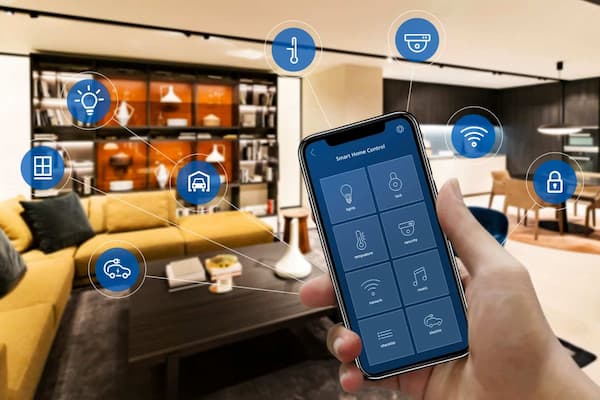
Use Smart Home Monitoring
Modern systems can alert you to abnormal energy usage or potential faults. For more on integrating technology into your safety plan, see our article on next-generation home security systems.
Implementing these practices is a key part of preventing wiring hazards in homes and creating a safer environment for everyone.
How Smart Devices Enhance Electrical Safety
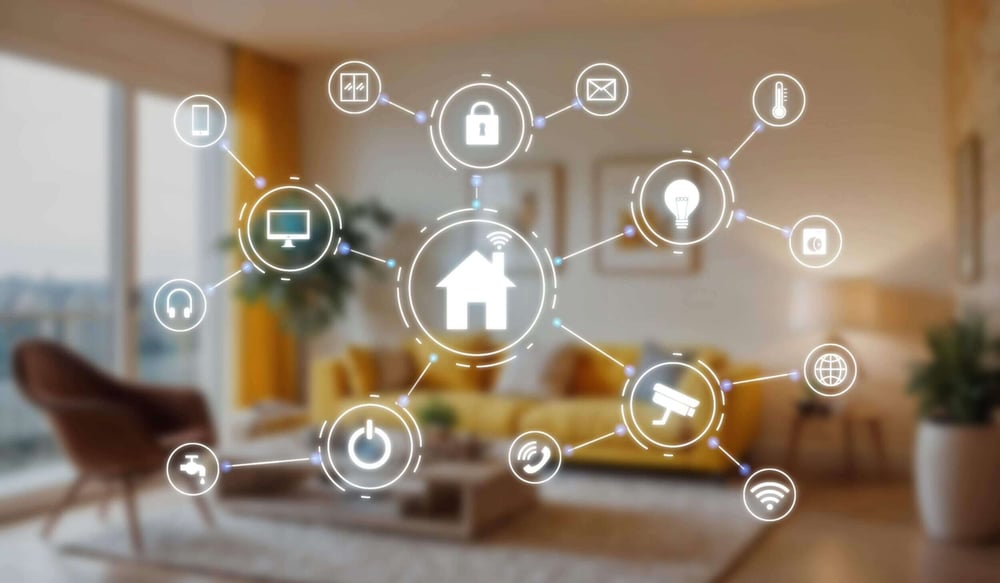
Technology has made it easier than ever to monitor and manage your home’s electrical system. Devices like smart energy monitors and connected alarms provide real-time insights and early warnings about potential issues:
- Smart Energy Monitors track electricity usage by circuit, helping you identify unusual patterns that may signal a problem.
- Connected Smoke and CO Detectors send alerts to your phone if they detect smoke or carbon monoxide, even when you’re away.
- Automated Shut-Offs can disconnect power to circuits at risk of overload or short-circuit, preventing escalation.
These solutions not only improve safety but also offer peace of mind, especially for families with children or elderly residents.
Integrating Electrical Safety with Whole-Home Protection
Electrical safety is just one component of a comprehensive home protection strategy. By combining regular maintenance, smart technology, and awareness, you can minimize risks across the board. For those interested in the latest trends, our resource on the future of home protection technology explores how innovation is shaping safer living environments.
Additionally, it’s wise to consider other hazards such as carbon monoxide exposure. Learn more about integrated solutions in our article on carbon monoxide monitoring systems for a holistic approach to home safety.
When to Call a Professional
While some preventive measures can be handled by homeowners, many electrical issues require expert attention. Contact a licensed electrician if you:
- Experience persistent electrical problems despite basic troubleshooting
- Notice any burning smells, smoke, or sparking from outlets or panels
- Plan to renovate or add new appliances that may strain your current wiring
Never attempt to repair or modify your home’s wiring unless you are qualified. Professional assessments are the safest way to address underlying hazards and ensure compliance with local codes.
Additional Resources for Homeowners
For a deeper dive into proactive safety strategies, consider reading this comprehensive guide to proactive home protection. Staying informed and vigilant is the best defense against preventable disasters.
For those planning advanced security measures, our article on safe room planning at home offers practical advice for building a secure family sanctuary.
FAQ: Electrical Safety and Home Wiring Hazards
What are the most common causes of electrical fires in homes?
The leading causes include overloaded circuits, faulty outlets, aging or damaged wiring, and improper use of extension cords. Regular inspections and avoiding DIY repairs can help prevent these issues.
How often should I have my home’s wiring inspected?
It’s recommended to schedule a professional inspection every 5–10 years, or sooner if you notice warning signs like flickering lights, frequent breaker trips, or unusual smells from outlets.
Can smart devices really help prevent electrical hazards?
Yes, smart energy monitors and alarms can detect abnormal usage patterns, overheating, or faults in real time. These devices provide early warnings and can help you address issues before they become dangerous.
Is it safe to use extension cords for permanent wiring?
No, extension cords are designed for temporary use only. Relying on them for permanent wiring can lead to overheating and increase the risk of fire. Always use properly installed outlets and circuits for long-term needs.
Where can I learn more about comprehensive home safety?
Explore our detailed articles on next-generation home security systems and energy system protection at home for more tips on safeguarding your property.