Home safety is no longer just about locks and alarms. Today, proactive home protection solutions combine smart technology, layered security, and early detection to help you stay ahead of threats—whether they’re break-ins, environmental hazards, or digital risks. By taking a forward-thinking approach, you can reduce vulnerabilities and create a safer, more resilient living environment for your family.
In this guide, we’ll explore the essential components of a modern, preventative home security strategy. You’ll learn how to integrate smart devices, monitor for hazards before they escalate, and adopt best practices that go beyond traditional reactive measures. For those interested in the latest advancements, our overview draws on insights from resources like this comprehensive guide to prevention-focused home security.
For a deeper dive into the features shaping tomorrow’s security, see our article on next-generation home security systems. If you want to address digital risks as well as physical ones, our home digital safety strategies guide is a valuable resource.
Why Prevention Is the New Standard in Home Security
Traditional home security often focuses on responding to incidents after they occur. However, the latest preventative home protection methods emphasize stopping threats before they happen. This shift is driven by:
- Smart technology that detects unusual activity in real time
- Integrated systems that monitor for fire, water leaks, and air quality issues
- Remote access and instant alerts, empowering homeowners to act quickly
By investing in proactive measures, you not only reduce the risk of loss or damage but also enjoy greater peace of mind.
Key Components of Proactive Home Protection Solutions
Building a robust, forward-thinking security setup involves more than a single device or app. Here are the core elements to consider:
1. Smart Sensors and Early Detection Devices
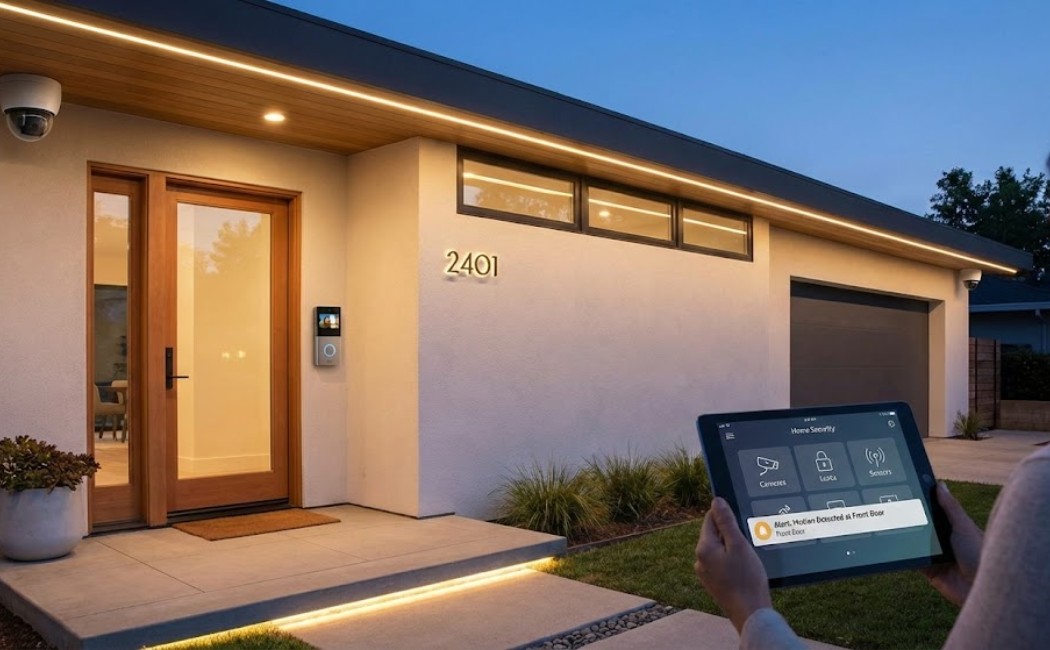
Modern sensors go beyond motion detection. They can identify smoke, carbon monoxide, flooding, glass breakage, and even subtle temperature changes. For example, motion sensors for home protection can be positioned to cover entry points and high-risk areas, sending alerts before a breach occurs.
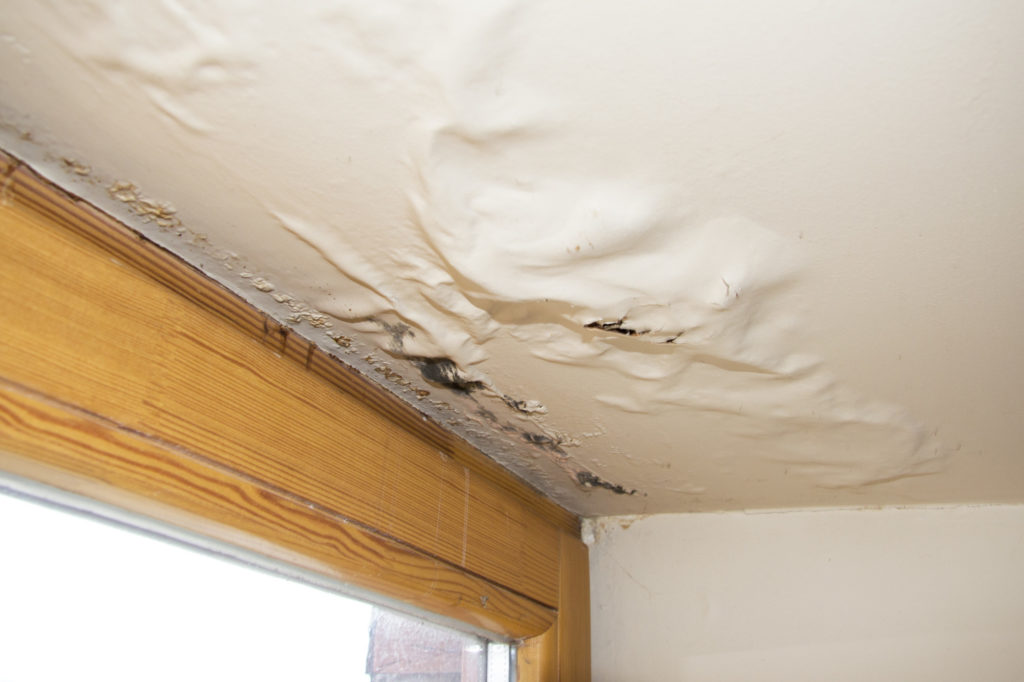
Early warning systems for environmental hazards are equally important. Devices that monitor humidity and air quality can help you catch mold growth or gas leaks before they become health threats. For more on this, see our resource on early mold detection systems.

2. Integrated Smart Home Security Systems
Comprehensive security platforms bring together cameras, alarms, sensors, and automation. These systems allow you to monitor your property remotely, receive instant notifications, and even automate responses—such as locking doors or turning on lights when motion is detected. Many systems now offer cloud storage for video footage and seamless integration with voice assistants.
When evaluating options, look for platforms that support multiple device types and offer user-friendly mobile apps. For families, features like panic buttons, two-way audio, and customizable alert zones can add extra layers of protection.
3. Digital Safety and Network Protection
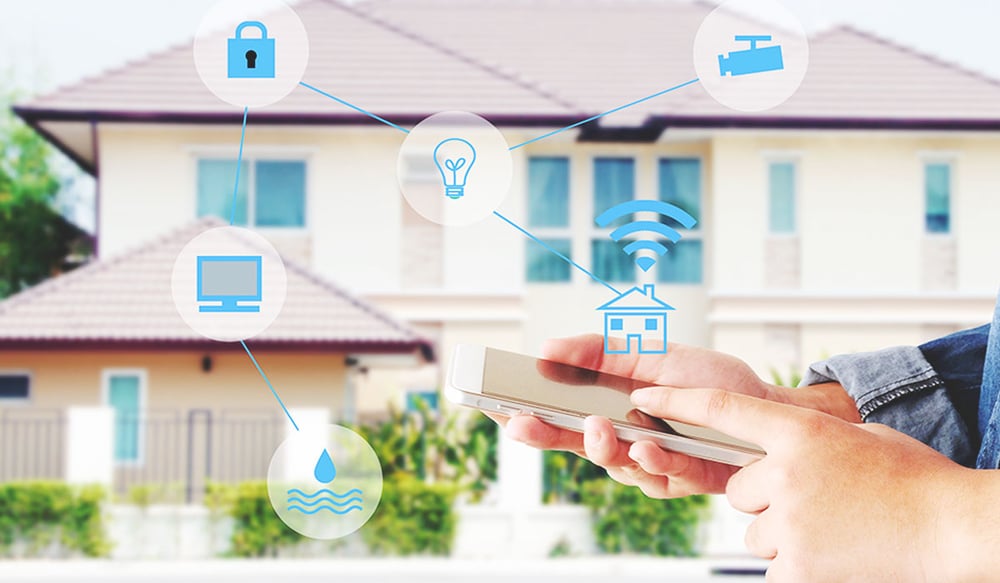
As smart devices multiply, so do digital risks. Protecting your home network is a crucial part of any proactive home protection solutions plan. Use strong, unique passwords for each device, enable two-factor authentication, and keep firmware up to date. Consider a dedicated security router or firewall to monitor for suspicious activity.
For more strategies to safeguard your connected household, check out our article on home digital safety strategies.
4. Environmental Monitoring and Energy Management
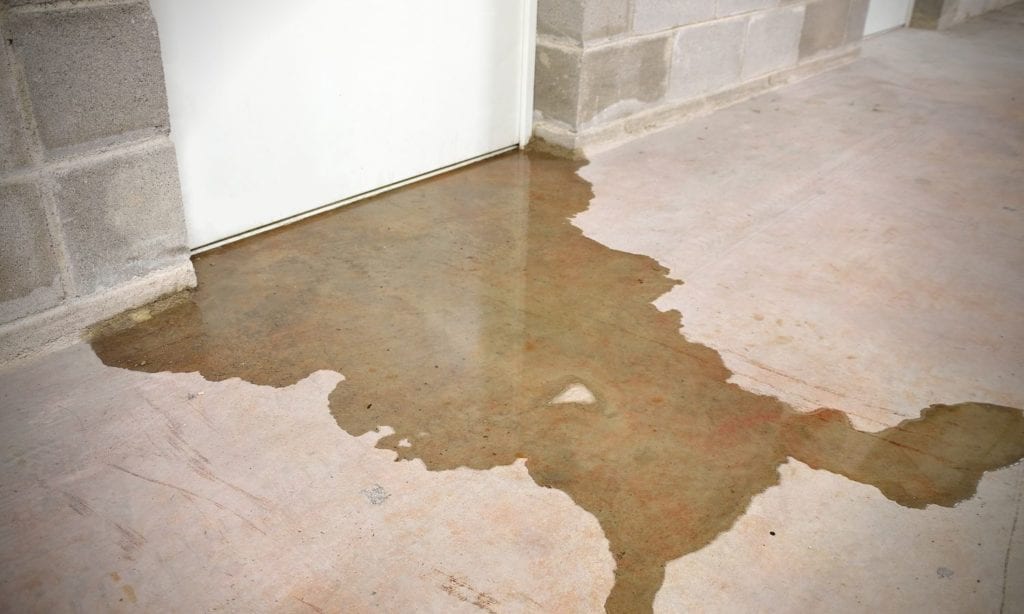
Proactive protection isn’t limited to security threats. Smart energy monitors, leak detectors, and air quality sensors help you catch problems early—reducing the risk of costly repairs and health issues. Devices that track water usage or electrical consumption can alert you to abnormal patterns, such as a hidden leak or a failing appliance.
Integrating these tools with your security platform provides a holistic view of your home’s safety and efficiency.
Best Practices for a Preventative Security Mindset
Technology is only part of the equation. Adopting a proactive approach means:
- Regularly testing alarms and sensors
- Reviewing and updating security settings after major life changes
- Educating family members on emergency procedures
- Staying informed about new threats and solutions
For those considering physical upgrades, such as a fortified room, our guide to safe room planning at home offers practical tips for building a secure family sanctuary.
Choosing the Right Proactive Security Products
With so many options, it’s important to select devices and systems that fit your needs and budget. Consider:
- Compatibility with your existing smart home ecosystem
- Ease of installation and use
- Quality of customer support and software updates
- Scalability for future expansion
Look for products with strong user reviews and robust privacy policies. Investing in reputable brands can make a significant difference in reliability and long-term satisfaction.
Frequently Asked Questions
What makes proactive home protection different from traditional security?
Proactive protection focuses on preventing incidents before they happen, using smart technology and early detection. Traditional security often reacts to events after the fact, such as responding to an alarm or break-in. By combining sensors, automation, and real-time alerts, proactive solutions help you address threats early and minimize damage.
How can I get started with a preventative security approach?
Begin by assessing your home’s vulnerabilities and identifying the most important risks—such as entry points, environmental hazards, or digital threats. Start with a few key devices, like smart sensors or a comprehensive security system, and expand as needed. Regularly review your setup and stay informed about new technologies.
Are smart home security systems secure from hacking?
Most reputable systems use encryption and regular software updates to protect against hacking. However, it’s important to follow best practices: use strong passwords, enable two-factor authentication, and keep devices updated. For additional tips, see our article on digital safety for smart households.
Conclusion
Adopting proactive home protection solutions is about more than just installing gadgets—it’s a mindset that prioritizes prevention, awareness, and continuous improvement. By leveraging smart technology, early detection, and best practices, you can create a safer, more resilient home environment for everyone under your roof.