
Water intrusion from above can cause significant damage to your home, leading to costly repairs, mold growth, and compromised structural integrity. Developing a proactive approach to roof leak prevention strategies is essential for homeowners who want to protect their property and maintain a healthy living environment. This article explores practical steps, maintenance tips, and modern technologies that help reduce the risk of leaks and keep your living space dry and secure.
For those interested in a comprehensive approach to home safety, consider learning about next-generation home security systems that integrate with smart monitoring solutions for added peace of mind.
Understanding Why Roofs Leak
Before diving into specific roof leak prevention strategies, it’s helpful to understand the most common causes of leaks. Roofs can be vulnerable due to:
- Damaged or missing shingles
- Improper flashing installation or deterioration
- Clogged gutters and downspouts
- Poor attic ventilation
- Cracked vent boots or skylight seals
- Age-related wear and tear
Identifying these weak points early allows you to address issues before they escalate into major water damage.
Routine Inspections: The Foundation of Leak Prevention
One of the most effective ways to avoid leaks is by conducting regular roof inspections. Ideally, inspect your roof at least twice a year—once in the spring and once in the fall. Look for:
- Loose, curled, or missing shingles
- Rust or damage around flashing and chimneys
- Signs of moss, algae, or debris accumulation
- Water stains or damp spots in the attic
Early detection is key. If you notice any issues, address them promptly to minimize the risk of leaks during heavy rainfall.
Maintenance Tips for a Leak-Free Roof
Consistent maintenance is at the heart of effective roof leak prevention strategies. Here are some actionable steps:
- Clean gutters and downspouts: Remove leaves, twigs, and debris to ensure water flows freely off your roof.
- Trim overhanging branches: Branches can scrape shingles and drop debris, increasing the risk of damage.
- Check and repair flashing: Ensure metal flashing around chimneys, vents, and skylights is secure and free from rust or cracks.
- Seal roof penetrations: Use high-quality sealant around vents, pipes, and other penetrations to prevent water entry.
- Replace damaged shingles: Promptly swap out any that are cracked, curled, or missing.
These simple steps, when performed regularly, can dramatically extend the life of your roof and reduce the likelihood of leaks.

Modern Technologies for Leak Detection and Prevention
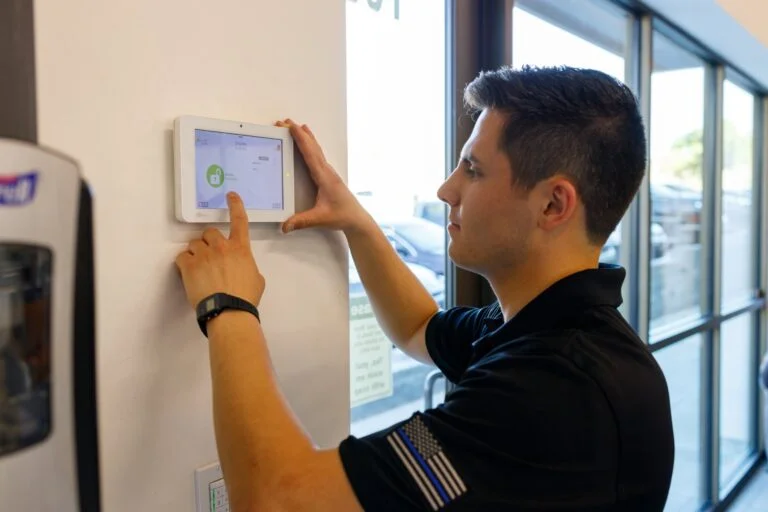
Advancements in home technology have made it easier than ever to monitor your property for signs of leaks. Smart sensors and monitoring systems can alert you to moisture or unusual humidity levels in your attic or ceiling. These tools provide early warnings, allowing you to take action before water damage spreads.
Integrating leak detection with home digital safety strategies can further enhance your home’s resilience. Many modern systems can be connected to your smartphone, giving you real-time updates and peace of mind, even when you’re away.
Professional Inspections: When to Call the Experts
While many maintenance tasks can be handled by homeowners, some situations require professional expertise. If you notice persistent leaks, widespread shingle damage, or signs of mold, it’s best to consult a licensed roofing contractor. Professionals can perform thorough inspections, identify hidden issues, and recommend long-term solutions.
Annual professional inspections are especially valuable for older homes or properties in regions with harsh weather conditions. Investing in expert evaluations can save you money in the long run by preventing major repairs.
Preventing Mold and Secondary Damage
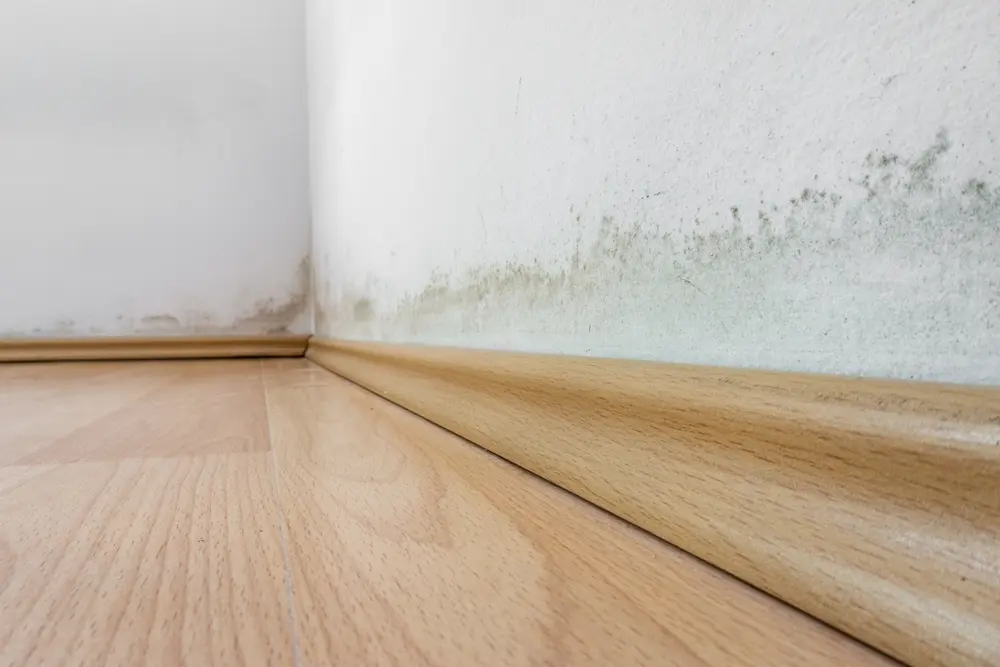
Leaks don’t just cause visible water stains—they can also lead to mold growth and compromise indoor air quality. Mold thrives in damp, hidden spaces, making it crucial to address leaks quickly and thoroughly. Consider installing early mold detection systems to catch spores before they spread. These systems can be integrated with your home’s smart technology for comprehensive protection.
Dry out affected areas promptly and use dehumidifiers if necessary. If mold is detected, professional remediation may be required to ensure your home remains safe and healthy.
Insurance and Proactive Protection
Even with the best roof leak prevention strategies, unexpected events can still occur. Review your homeowner’s insurance policy to ensure you’re covered for water damage and roof repairs. Some policies may require proof of regular maintenance, so keep records of inspections and repairs.
For a broader perspective on safeguarding your property and assets, explore this guide to proactive protection that covers important milestones and risk management tips.
Integrating Leak Prevention with Overall Home Security
Protecting your roof is just one part of a comprehensive home safety plan. By combining leak prevention with other measures—such as safe room planning at home and effective motion sensors for home protection—you can create a safer, more resilient living environment. Smart home systems allow you to monitor for leaks, intrusions, and other hazards from a single platform, making it easier to respond quickly to any threat.
FAQ: Roof Leak Prevention and Home Safety
What are the first signs of a potential roof leak?
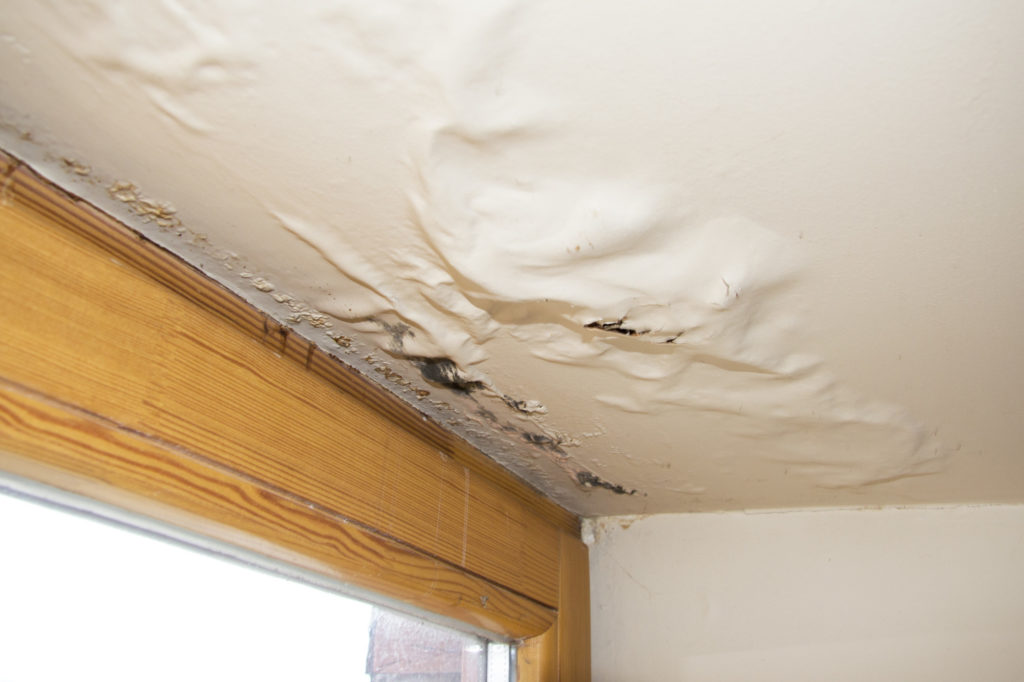
Early indicators include water stains on ceilings or walls, damp spots in the attic, peeling paint, and musty odors. Outside, look for missing or damaged shingles and deteriorated flashing. Addressing these signs quickly can prevent more extensive damage.
How often should I inspect my roof for leaks?
It’s best to inspect your roof at least twice a year—typically in the spring and fall. Additional checks are recommended after severe storms or high winds to catch any new damage promptly.
Can smart home technology help with leak prevention?
Yes, smart sensors and monitoring systems can detect moisture and humidity changes, sending alerts to your phone if a leak is detected. These devices add an extra layer of protection and can be integrated with other home safety systems for comprehensive coverage.
What should I do if I discover a leak?
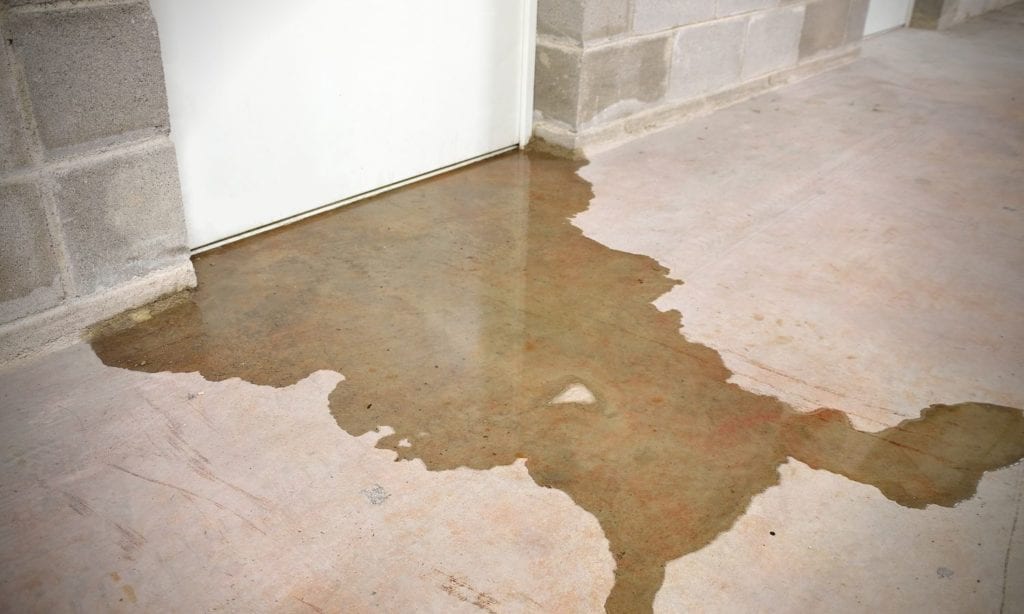
Act quickly to minimize damage. Place a bucket to catch dripping water, move valuables out of the affected area, and try to identify the source. Contact a professional roofer for repairs and consider mold inspection if the leak has persisted for some time.
By following these practical roof leak prevention strategies and integrating modern technology, you can protect your home from water damage and maintain a safe, comfortable living space year-round.