

Smart home technology is transforming the way homeowners secure and manage their living spaces. Among the most critical components of this evolution are smart home sensors. These devices provide real-time monitoring, instant alerts, and seamless integration with other systems, offering a proactive approach to property protection. Understanding how these sensors work and the benefits they deliver can help you make informed choices about safeguarding your home.
Whether you’re interested in enhancing security, automating maintenance, or simply gaining peace of mind, learning about the different types of sensors and their applications is essential. For those who want to stay ahead of the curve, exploring next-generation home security systems can provide valuable insights into the latest features and trends in home protection.
What Are Smart Home Sensors?
At their core, smart home sensors are electronic devices designed to detect changes in their environment and relay information to a central hub or directly to your smartphone. These sensors can monitor a wide range of variables, including motion, temperature, humidity, light, sound, and even air quality. By integrating with home automation platforms, they enable homeowners to automate responses, receive alerts, and monitor their property remotely.
Unlike traditional security systems, modern sensors are typically wireless, easy to install, and can be customized to fit the unique needs of any household. Their versatility extends beyond security, supporting energy management, maintenance, and even health monitoring.
Types of Sensors and Their Roles in Home Protection
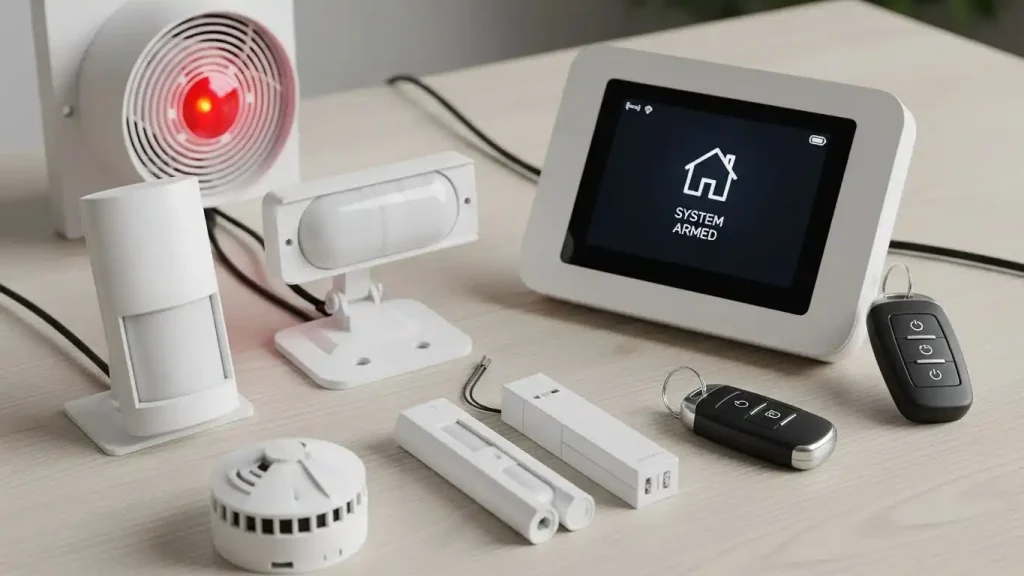
Understanding the various sensor types helps you choose the right combination for comprehensive property coverage. Here are some of the most common categories:
- Motion Detectors: These devices sense movement within a designated area. They are often used in entryways, hallways, and outdoor spaces to detect unauthorized access or unusual activity.
- Door and Window Sensors: Placed on doors and windows, these sensors alert you when an entry point is opened or tampered with, providing a first line of defense against break-ins.
- Glass Break Sensors: Designed to detect the sound or vibration of breaking glass, these sensors add an extra layer of security for vulnerable windows and sliding doors.
- Environmental Sensors: This category includes smoke detectors, carbon monoxide alarms, water leak sensors, and temperature monitors. They help prevent damage from fire, gas leaks, flooding, or extreme temperatures.
- Vibration and Tilt Sensors: Used on safes, garage doors, or valuable items, these sensors detect unusual movement or tampering.
- Light and Sound Sensors: These can trigger lighting or alarms in response to changes in ambient conditions, deterring intruders or alerting you to unusual events.
How Smart Sensors Work Together for Maximum Security
One of the key strengths of a connected home is the ability of multiple sensors to work in concert. For example, a motion detector can trigger cameras to start recording, while a door sensor can activate an alarm and send a notification to your phone. Integrating environmental sensors ensures that threats like fire or flooding are detected early, minimizing potential damage.
Many systems allow for customized automation rules. For instance, you can set your lights to turn on automatically if motion is detected at night, or receive a warning if a water leak is sensed in the basement. This level of automation not only increases security but also enhances convenience and energy efficiency.
Benefits of Integrating Smart Sensors into Your Home
Adding intelligent sensors to your property delivers a range of advantages, including:
- 24/7 Monitoring: Continuous surveillance helps detect threats at any time, even when you’re away.
- Instant Alerts: Receive real-time notifications on your smartphone or other devices, enabling quick action in case of emergencies.
- Remote Access: Monitor and control your home from anywhere, providing peace of mind during travel or long workdays.
- Energy Savings: Sensors can automate lighting, heating, and cooling based on occupancy or environmental conditions, reducing utility costs.
- Custom Automation: Tailor your system to fit your lifestyle, from scheduling lights to integrating with voice assistants.
- Scalability: Start with a few sensors and expand as needed, adapting to changes in your living situation or security needs.
For those interested in the broader landscape of home automation, exploring home maintenance automation tools can reveal additional ways to streamline upkeep and enhance comfort.
Choosing the Right Sensors for Your Needs
When selecting devices for your property, consider the following factors:
- Coverage Area: Identify vulnerable entry points and high-risk zones, such as basements, garages, and main doors.
- Integration: Ensure compatibility with your existing smart home platform or security system for seamless operation.
- Power Source: Decide between battery-powered or hardwired options based on installation preferences and maintenance requirements.
- Connectivity: Look for sensors that use reliable wireless protocols like Wi-Fi, Zigbee, or Z-Wave for robust communication.
- Expandability: Choose systems that allow you to add more sensors or devices as your needs evolve.
Reading product reviews and consulting with professionals can help you make informed decisions. Additionally, some homeowners may benefit from advanced solutions such as proactive property management systems that integrate sensors with maintenance and monitoring features.
Advanced Features and Future Trends in Home Sensing
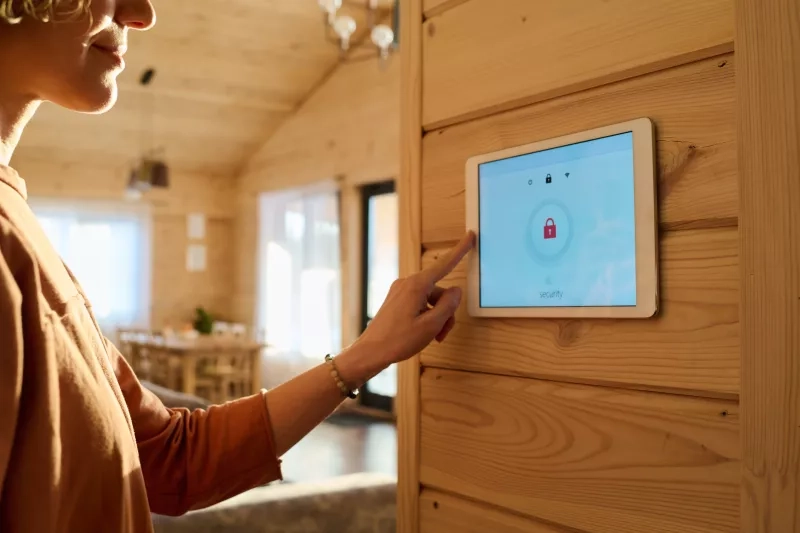
The landscape of smart home protection is constantly evolving. Newer sensors offer enhanced accuracy, longer battery life, and improved connectivity. Some advanced systems incorporate artificial intelligence to distinguish between routine activity and genuine threats, reducing false alarms. Integration with proactive video monitoring for home security enables real-time visual verification and faster emergency response.
Looking ahead, trends such as predictive maintenance, health monitoring, and even environmental sustainability are shaping the next wave of smart home innovation. To stay informed about these developments, consider reading about the future of home protection technology and how it may impact your household.
Frequently Asked Questions
How do smart sensors differ from traditional alarm systems?
Traditional alarm systems typically rely on basic motion or contact sensors and often require professional monitoring. In contrast, modern smart sensors offer wireless connectivity, integration with other devices, real-time alerts, and the ability to automate responses. They provide greater flexibility, customization, and remote access, making them suitable for a wide range of applications beyond just security.
Can I install smart sensors myself, or do I need professional help?
Many smart sensors are designed for easy DIY installation, with wireless options and user-friendly apps. However, for more complex setups or integration with existing security systems, professional installation may be recommended to ensure optimal performance and coverage.
Are smart sensors vulnerable to hacking or interference?
Like any connected device, smart sensors can be targeted by cyber threats if not properly secured. To minimize risks, use strong passwords, keep firmware updated, and choose reputable brands with robust security features. Some systems also offer encrypted communication and two-factor authentication for added protection.
Conclusion
Understanding the role of smart sensors in home protection empowers you to make better decisions about your security and comfort. By selecting the right devices and integrating them with your broader home automation strategy, you can enjoy enhanced safety, convenience, and peace of mind. As technology continues to advance, staying informed about new features and best practices will help you keep your property secure and your household running smoothly.