
Severe storms can strike with little warning, leaving homeowners scrambling to protect their property and loved ones. Having a storm preparedness home checklist in place is essential for minimizing risks and ensuring you’re ready for whatever nature brings. This guide covers practical steps to safeguard your home, from securing windows and doors to preparing emergency supplies and leveraging modern home security technology.
Whether you live in a hurricane-prone region, an area susceptible to tornadoes, or simply want to be ready for unexpected power outages, following a comprehensive plan can make a significant difference. Modern smart home solutions and proactive planning help reduce stress and keep your family safe during severe weather events.
For those interested in the latest advancements, you can explore next-generation home security systems that offer enhanced protection and automation features, making storm preparation even more effective.
Why a Home Storm Safety Plan Matters
Storms can cause significant damage in a short period. High winds, heavy rain, hail, and lightning can all threaten your home’s structure and your family’s safety. Having a well-organized checklist ensures you don’t overlook critical steps, such as securing loose outdoor items or checking backup power sources. A proactive approach also helps you recover more quickly after the storm passes.
Essential Elements of a Storm Preparedness Home Checklist
Every household’s needs are unique, but certain steps apply to most situations. Here are the core components to include in your plan:
- Emergency Supplies: Stock up on water, non-perishable food, flashlights, batteries, first aid kits, and necessary medications.
- Communication Tools: Keep a battery-powered radio and fully charged mobile devices. Consider a portable charger or power bank.
- Home Security: Ensure doors and windows are secure, and consider smart locks or monitored alarm systems for added protection.
- Backup Power: Test generators or backup batteries to keep essential systems running during outages.
- Evacuation Plan: Know your local evacuation routes and have a plan for pets and family members with special needs.
Securing Your Home’s Exterior
Protecting the outside of your property is a crucial part of any storm preparedness home checklist. Here’s what to focus on:
- Windows and Doors: Install storm shutters or use plywood to cover windows. Reinforce garage doors to prevent wind damage.
- Outdoor Items: Bring in patio furniture, grills, and garden tools to prevent them from becoming dangerous projectiles.
- Roof and Gutters: Inspect your roof for loose shingles and clear gutters to prevent water buildup.
- Trees and Landscaping: Trim branches that could fall on your home or power lines.
Smart Home Technology for Storm Readiness
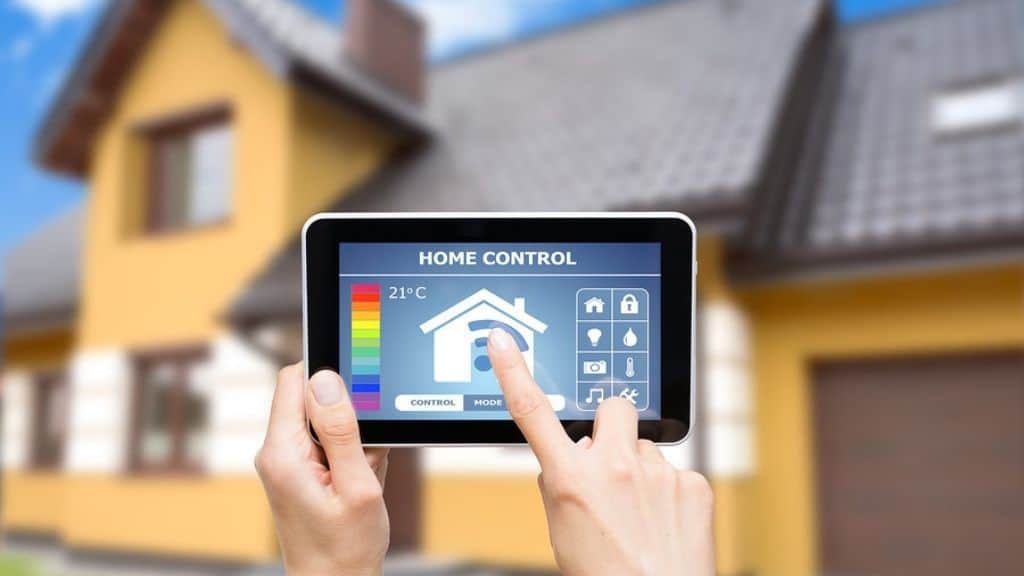
Modern technology can play a significant role in your storm safety strategy. Smart home devices allow you to monitor conditions remotely, receive alerts, and automate protective measures. For example, smart sensors can detect flooding or smoke, while security cameras provide real-time updates on your property’s status.
Consider integrating your storm preparedness home checklist with smart home platforms for added convenience. Automated lighting, remote locks, and energy monitoring devices can help you respond quickly to changing conditions. Learn more about the future of home protection technology and how it can enhance your storm readiness.

Maintaining Indoor Safety During Storms
When severe weather hits, staying indoors is often the safest option. Here are key steps to protect your family inside your home:
- Safe Room: Identify a central room without windows, such as a bathroom or closet, where everyone can gather during extreme conditions.
- Emergency Lighting: Keep flashlights and lanterns accessible in case of power loss.
- Electrical Safety: Unplug sensitive electronics to prevent damage from power surges.
- Water Supply: Fill bathtubs and sinks with water for sanitation needs if you expect service interruptions.
For additional tips on keeping your home environment safe and healthy, check out resources on home hygiene protection systems that can complement your storm safety efforts.
After the Storm: Recovery and Inspection
Once the storm has passed, it’s important to assess your property for damage and address any hazards. Here’s what to do:
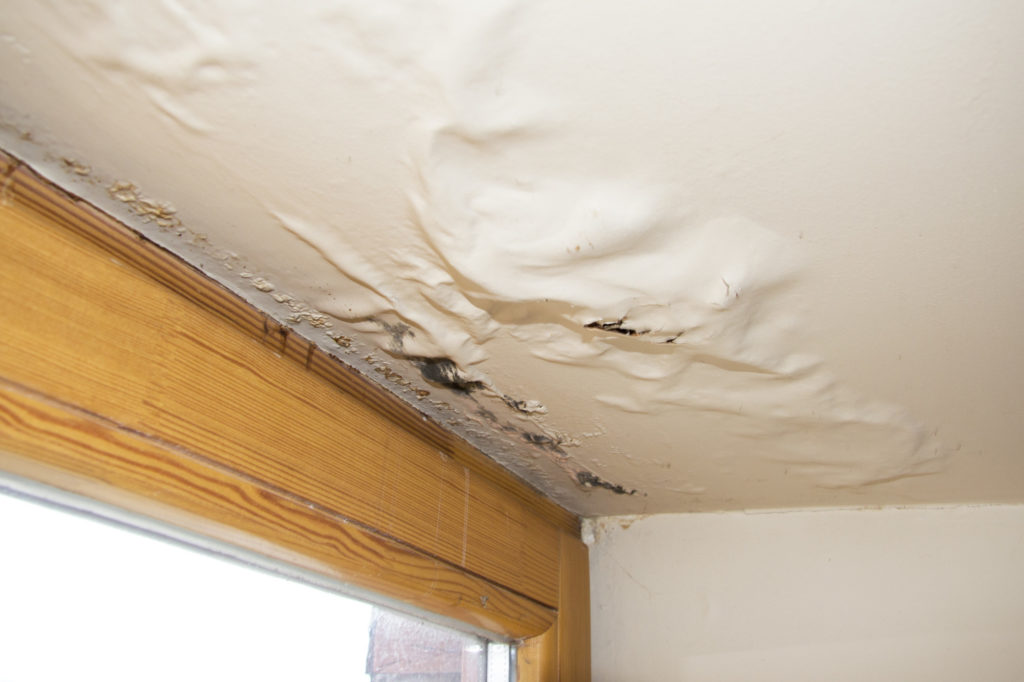
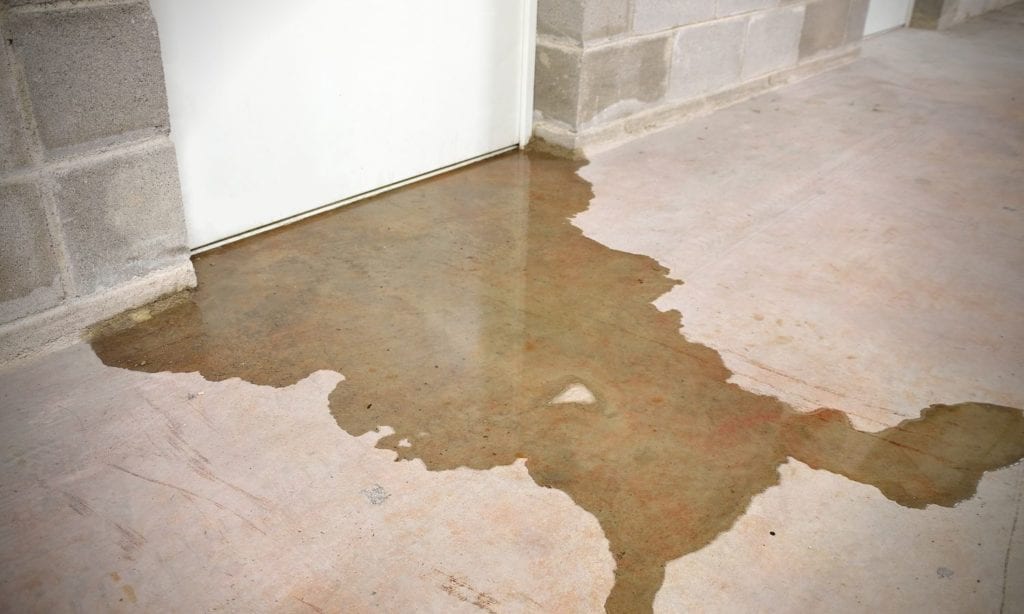
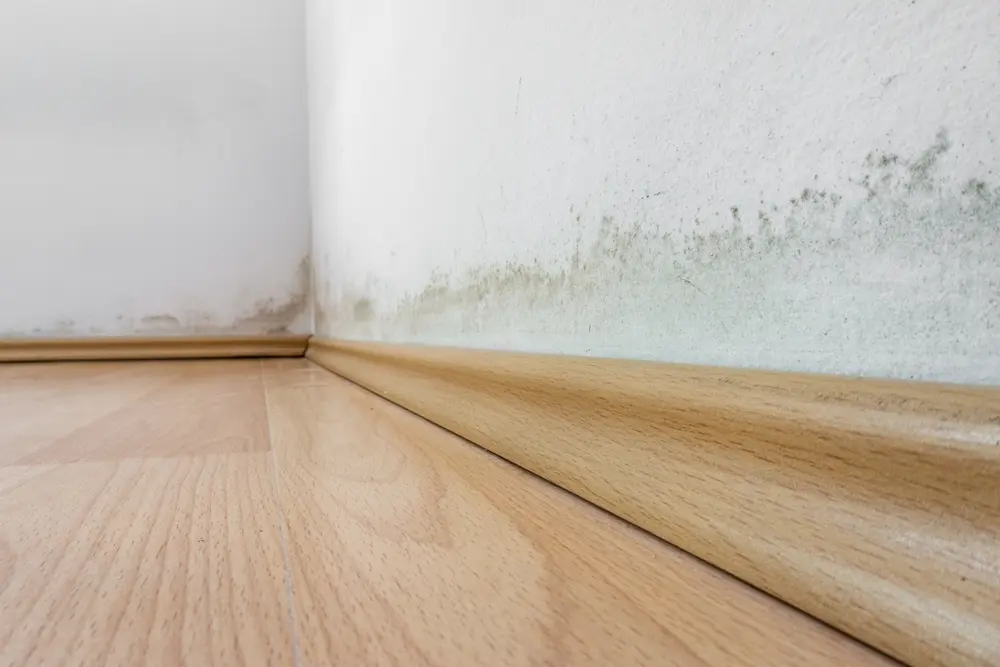
- Inspect for Damage: Check your roof, siding, windows, and foundation for signs of impact or leaks.
- Document Losses: Take photos of any damage for insurance claims.
- Stay Alert: Watch for downed power lines, gas leaks, or flooding before re-entering affected areas.
- Restore Security: Reset alarms and check that all locks and sensors are functioning properly.
For homeowners interested in automating post-storm maintenance, consider exploring home maintenance automation tools to streamline repairs and upkeep.
Integrating Security and Automation Into Your Checklist
Combining traditional storm safety steps with smart technology can provide peace of mind and greater control. For instance, integrating proactive property management systems allows you to monitor your home’s status, automate alerts, and even control devices remotely. These systems can be especially valuable if you need to evacuate or monitor your property from a distance.
For first-time homeowners or those upgrading their security, this comprehensive guide to home security offers valuable insights into selecting and setting up the right solutions for your needs.
Storm Preparedness FAQ
What should I include in my emergency kit for storms?
Your emergency kit should have at least three days’ worth of water and non-perishable food, a flashlight, extra batteries, a first aid kit, essential medications, personal hygiene items, a battery-powered radio, and copies of important documents. Don’t forget pet supplies if you have animals.
How can smart home devices help with storm safety?
Smart home devices like security cameras, flood sensors, and automated lighting can alert you to hazards and help you monitor your property remotely. Some systems allow you to control locks and alarms from your phone, adding an extra layer of protection during severe weather.
How often should I review and update my storm safety plan?
It’s a good idea to review your checklist at least once a year, preferably before storm season begins. Update your plan whenever you make significant changes to your home, such as renovations or new technology installations, to ensure all systems are covered.
Preparing for storms doesn’t have to be overwhelming. By following a structured checklist and leveraging modern technology, you can protect your home and loved ones from the unexpected. Stay proactive and revisit your plan regularly to keep your household safe and resilient.