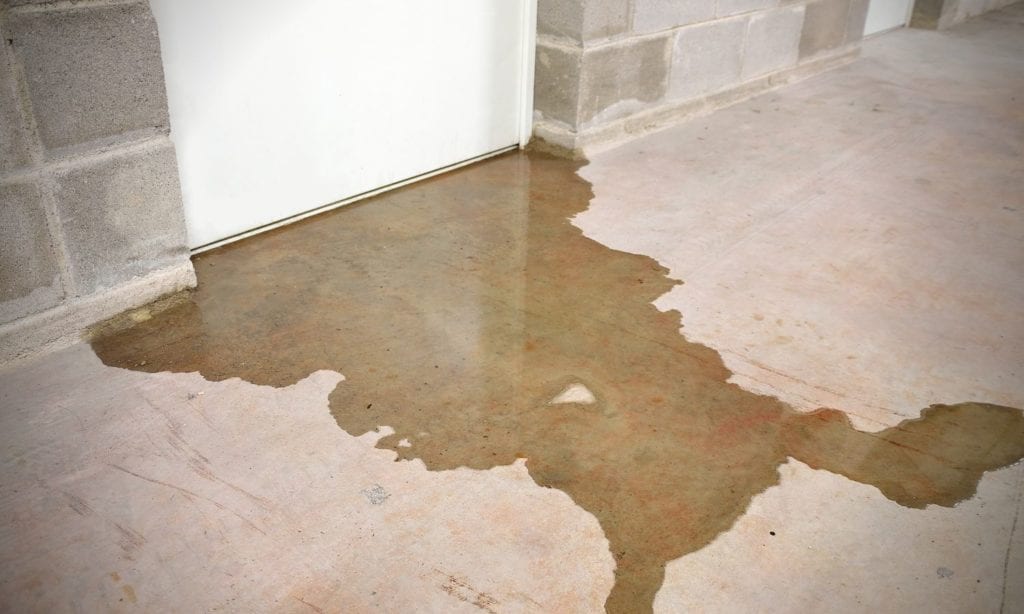
Protecting rental units from costly water issues is a top priority for landlords and property managers. Water intrusion can lead to expensive repairs, tenant dissatisfaction, and even legal complications. By focusing on water damage prevention for rental properties, owners can safeguard their investments and provide a safer living environment for tenants.
Whether you manage a single-family home or a multi-unit building, proactive steps can reduce risks from leaks, floods, and plumbing failures. This guide outlines practical strategies, tools, and maintenance routines that help minimize water-related incidents and their associated costs.
For those interested in other home care tips, you might also find value in our article on how to clean cast iron after every use, which provides daily maintenance advice for kitchen essentials.
Why Water Intrusion Is a Major Concern in Rental Units
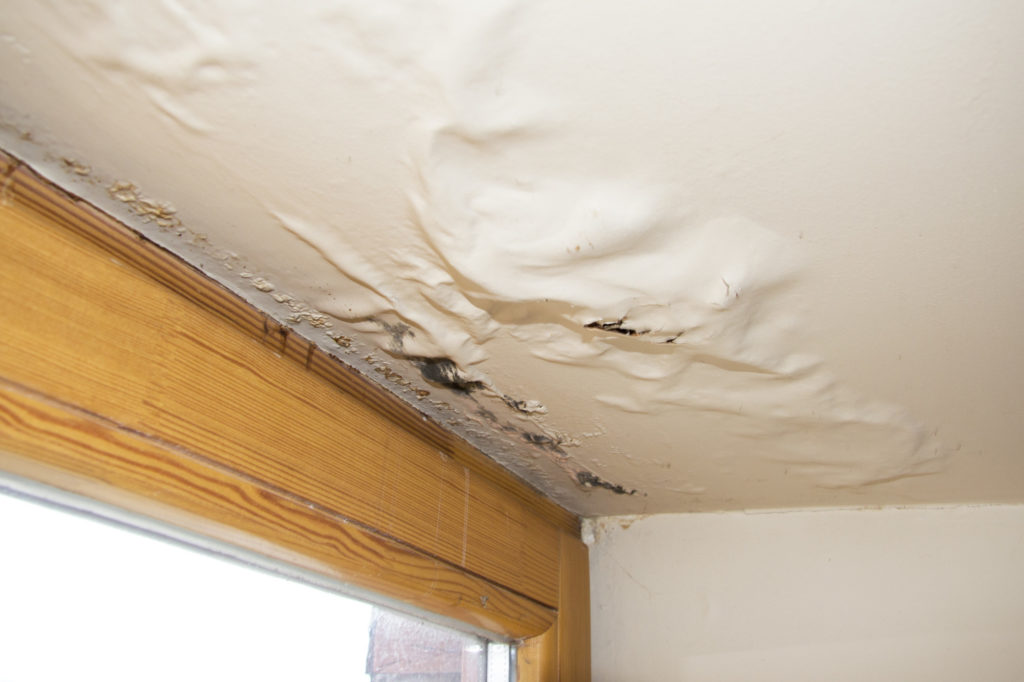
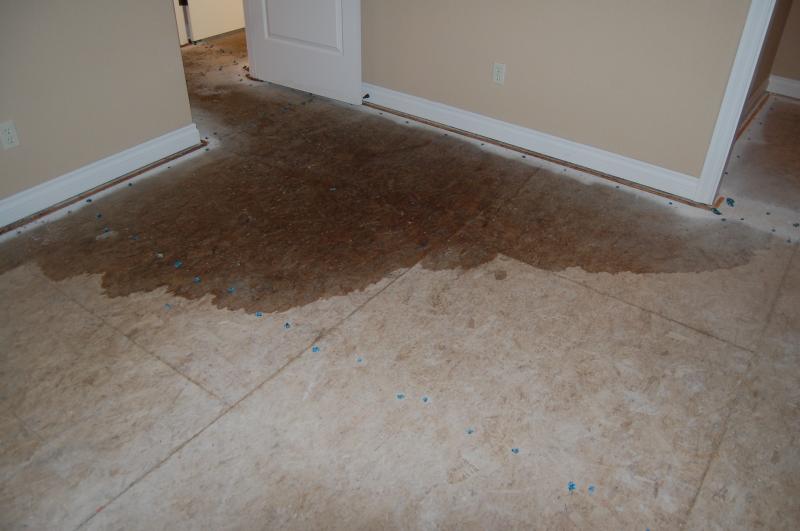
Water intrusion can cause structural damage, mold growth, and deterioration of building materials. In rental properties, these issues often result in tenant complaints, potential health hazards, and lost rental income during repairs. Insurance claims related to water incidents are among the most frequent and expensive for landlords.
- Structural risks: Prolonged moisture can weaken foundations, walls, and floors.
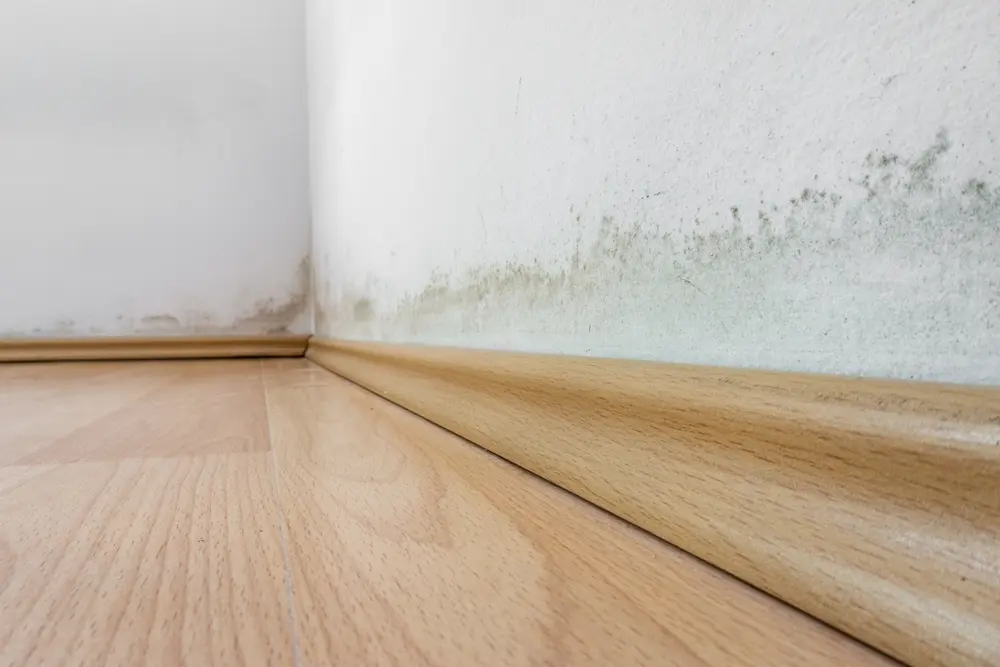
- Health concerns: Mold and mildew thrive in damp conditions, posing respiratory risks.
- Legal liability: Landlords may be held responsible for water-related damages if negligence is proven.
Understanding the sources and signs of water problems is the first step toward effective prevention.
Common Causes of Water Damage in Rental Properties
Several factors contribute to water issues in rental units. Recognizing these sources helps property managers and owners implement targeted solutions.
- Leaking pipes: Aging plumbing systems are prone to leaks, especially at joints and connections.
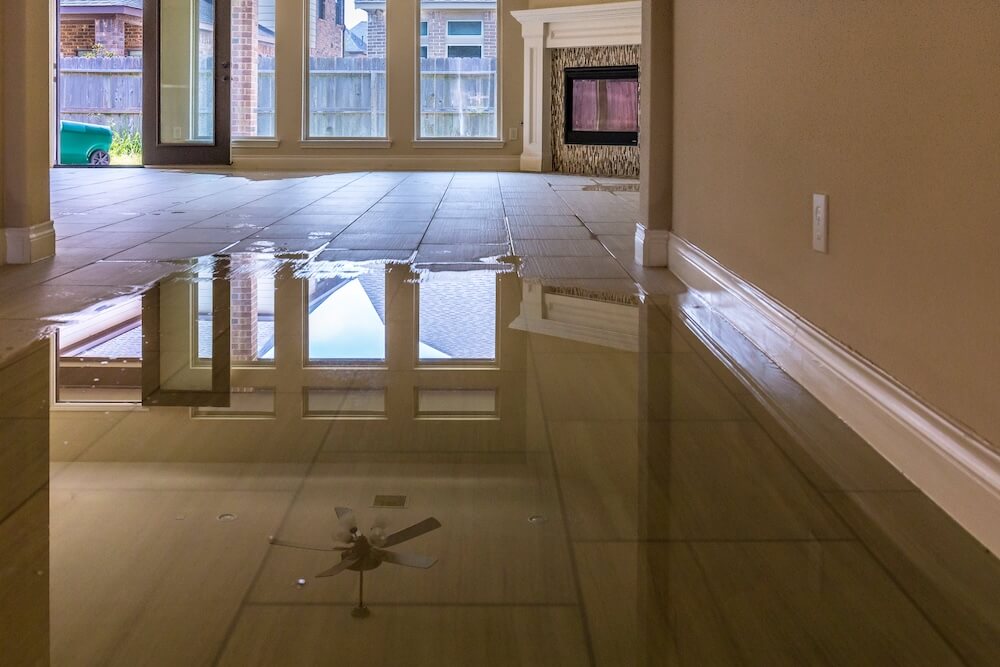
- Appliance failures: Washing machines, dishwashers, and water heaters can malfunction and flood interiors.
- Roof and gutter problems: Damaged shingles, clogged gutters, and poor drainage allow rainwater to seep inside.
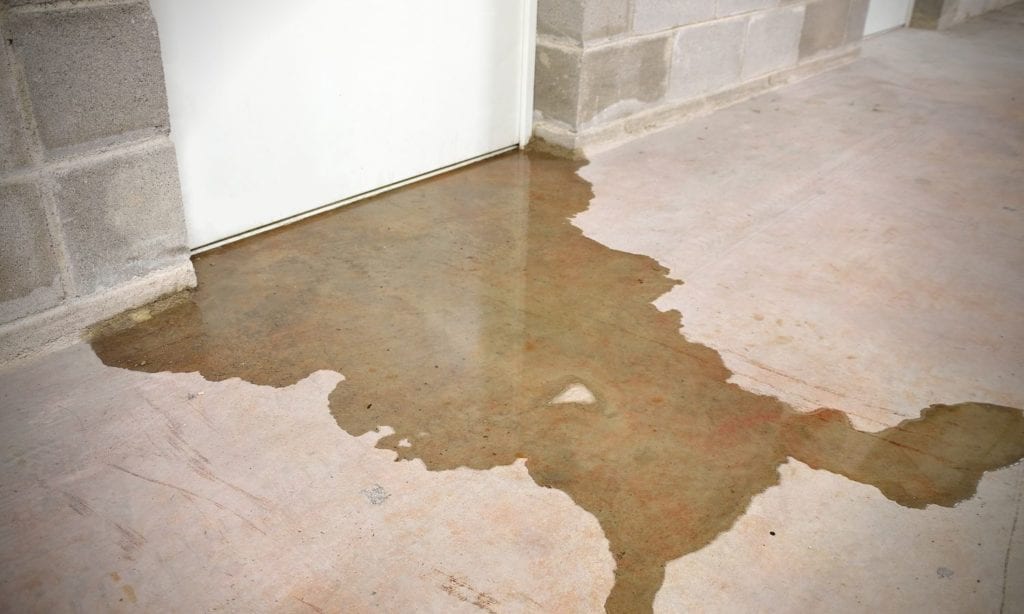
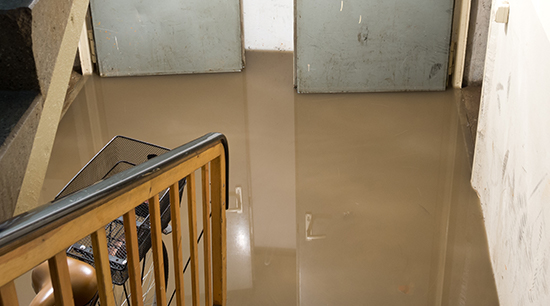
- Basement seepage: Poor grading or foundation cracks can lead to basement flooding, especially after heavy rain.
- Bathroom and kitchen leaks: Faulty seals around tubs, toilets, and sinks are frequent culprits.
Routine Inspections and Maintenance for Water Damage Prevention
Regular inspections are essential for early detection of leaks and vulnerabilities. A thorough maintenance schedule can dramatically reduce the risk of water-related incidents in rental units.
- Check plumbing fixtures: Inspect under sinks, around toilets, and behind appliances for signs of moisture or corrosion.
- Monitor water pressure: Excessive pressure can strain pipes and cause leaks. Install a pressure regulator if needed.
- Clean gutters and downspouts: Remove debris regularly to ensure proper drainage away from the building.
- Inspect roofs and flashing: Look for missing shingles, damaged flashing, or pooling water after storms.
- Seal windows and doors: Ensure weatherstripping and caulking are intact to prevent rainwater intrusion.
Documenting these checks and addressing issues promptly can prevent minor leaks from becoming major disasters.
Smart Devices and Tools to Reduce Water Risks
Modern technology offers several tools that can help landlords and property managers monitor and prevent water issues. Installing smart leak detectors and automatic shut-off valves can provide peace of mind and quick response to emerging problems.
- Leak sensors: Place these near water heaters, washing machines, and under sinks to detect moisture early.
- Automatic shut-off valves: These devices can stop the water supply if a leak is detected, minimizing damage.
- Remote monitoring: Many smart systems send alerts to your phone, allowing for immediate action even if you’re offsite.
For more information on water mitigation strategies and how technology can help, see this comprehensive guide to water mitigation.
Tenant Education and Communication
Tenants play a crucial role in preventing water issues. Clear communication and education can empower residents to spot early warning signs and report problems before they escalate.
- Provide maintenance guidelines: Give tenants a checklist of what to watch for, such as dripping faucets or damp spots.
- Establish reporting procedures: Make it easy for tenants to report leaks or water concerns promptly.
- Share emergency contacts: Ensure tenants know who to call in case of a water emergency, especially after hours.
Regular reminders and open communication channels help foster a proactive approach to property care.
Best Practices for Long-Term Water Damage Prevention
Beyond routine maintenance, there are several long-term strategies that can help protect rental properties from water-related issues:
- Upgrade plumbing materials: Replace old pipes with modern, durable materials like PEX or copper.
- Install sump pumps in basements: These can prevent flooding during heavy rainfall or rapid snowmelt.
- Landscape for drainage: Ensure soil slopes away from the building to direct water away from foundations.
- Regularly test shut-off valves: Make sure all tenants know the location of main water shut-offs and that valves are functional.
Implementing these measures can significantly reduce the risk of costly repairs and insurance claims.
Integrating Water Damage Prevention Into Your Property Management Routine
Making water risk management a standard part of your property care routine is essential for long-term success. Consider creating a checklist that includes:
- Seasonal roof and gutter inspections
- Annual plumbing system reviews
- Regular tenant communication about water safety
- Installation and testing of leak detection devices
By embedding these tasks into your regular schedule, you can catch small issues before they become major problems, saving time and money in the long run.
Frequently Asked Questions
What are the most common signs of water problems in rental units?
Look for stains on ceilings or walls, musty odors, warped flooring, or unexplained increases in water bills. Early detection is key to preventing extensive damage.
How often should landlords inspect for water issues?
It’s best to perform a thorough inspection at least twice a year, and after any major weather event. Encourage tenants to report any concerns immediately between scheduled checks.
Are smart leak detectors worth the investment for rental properties?
Yes, smart leak detectors can provide early warnings and even shut off water automatically, which helps minimize damage and repair costs. They are especially valuable for properties that are vacant or where tenants may not notice leaks right away.
What should tenants do if they notice a leak?
Tenants should report leaks to the landlord or property manager as soon as possible. If there is a risk of flooding, they should also know how to shut off the main water supply until help arrives.
By prioritizing water damage prevention for rental properties, landlords and property managers can protect their investments, maintain tenant satisfaction, and avoid costly repairs. Consistent maintenance, smart technology, and open communication are the foundation of an effective water risk management strategy.