
Home is more than just a place to sleep—it’s where we build memories, safeguard our loved ones, and store our most valuable possessions. Yet, many homeowners underestimate the importance of taking early, preventative steps to defend their property and well-being. Understanding why proactive home protection matters is essential for anyone looking to avoid costly damage, loss, or disruption down the road.
With the rapid evolution of technology and the increasing sophistication of threats, relying on outdated or reactive measures is no longer enough. From smart alarms to energy monitoring and fire prevention, modern solutions empower you to address risks before they escalate. This article explores the key reasons for adopting a forward-thinking approach, highlights the latest innovations, and offers practical tips to help you secure your future—starting today.
For those interested in the latest advancements, our guide to next-generation home security systems covers essential features that can elevate your protection strategy.
Understanding the Value of Preventative Home Security
Many homeowners only consider security upgrades after experiencing a break-in, fire, or other emergency. Unfortunately, this reactive mindset can lead to unnecessary stress and financial loss. A proactive approach, on the other hand, focuses on identifying vulnerabilities and addressing them before they become problems.
Key benefits of early action include:
- Reduced risk of burglary, fire, and environmental hazards
- Lower insurance premiums and fewer claims
- Peace of mind knowing your family and assets are protected
- Minimized disruption to daily life
By investing in modern systems and adopting a prevention-first attitude, you can stay ahead of evolving threats and avoid the emotional and financial toll of emergencies.
Modern Solutions for Proactive Home Defense
Today’s market offers a wide range of tools designed to help you anticipate and neutralize risks. From smart alarms to energy monitoring, these solutions make it easier than ever to maintain a secure environment.
Some of the most effective proactive technologies include:
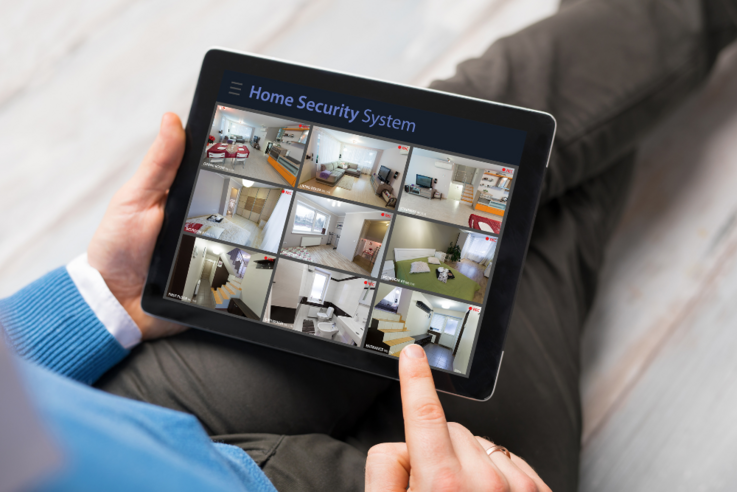
- Smart security systems that detect unusual activity and send instant alerts
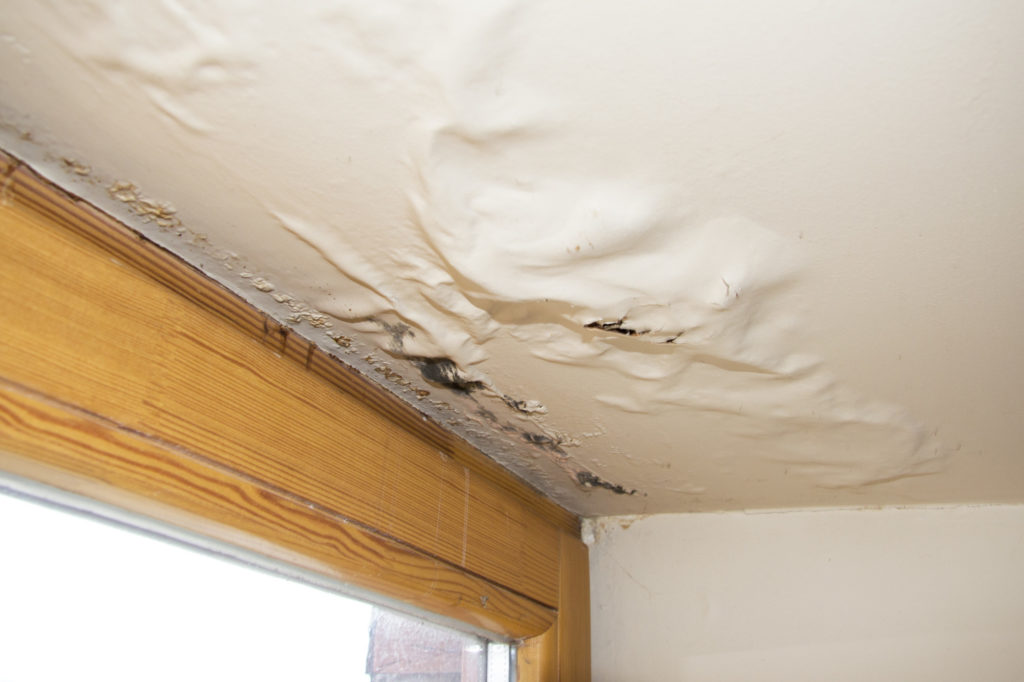
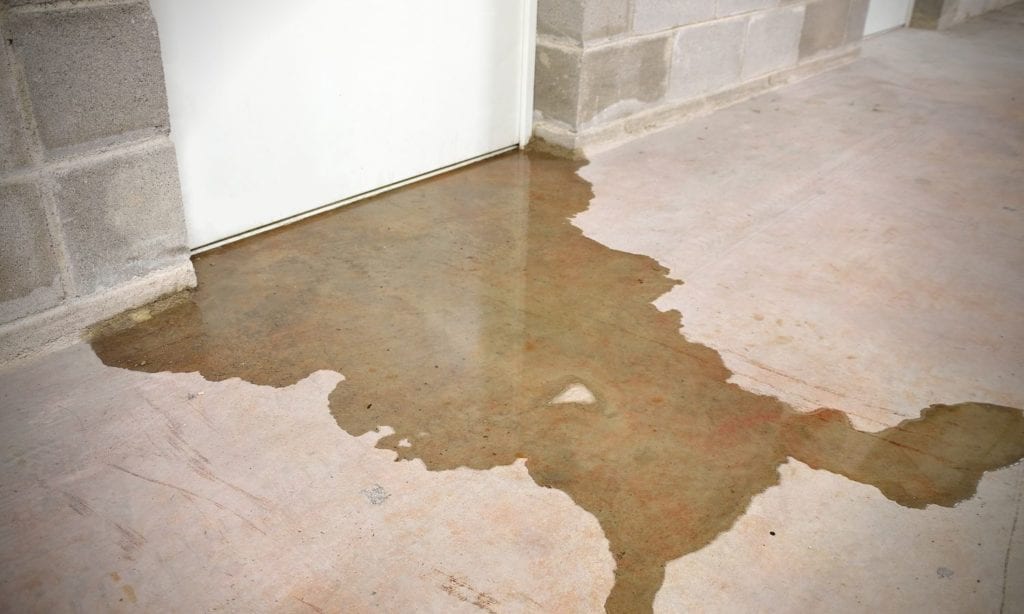
- Environmental sensors for smoke, carbon monoxide, and water leaks
- Energy monitoring devices to prevent electrical faults and reduce fire risk
- Remote access and automation for real-time control and response
For a deeper dive into how technology is shaping the future of protection, visit our article on future of home protection technology.
Why Early Action Is Critical for Safety and Savings
Taking steps to secure your property before an incident occurs is not just about avoiding loss—it’s also a smart financial move. Insurance companies often reward homeowners who install advanced security and monitoring systems with lower premiums. More importantly, the cost of prevention is almost always less than the expense of recovery after a disaster.
For example, early detection of electrical faults can prevent fires, while leak sensors can stop water damage before it spreads. According to industry experts, the average cost of a home burglary or fire far exceeds the investment in modern protective devices.
For those interested in electrical safety, our resource on energy system protection at home explains how to prevent faults and safeguard your household.
Integrating Smart Technology for Comprehensive Coverage
One of the main reasons proactive home protection is so effective is the integration of smart technology. Today’s systems can connect alarms, cameras, sensors, and even energy monitors into a single, unified platform. This allows for:
- Centralized monitoring and control from your smartphone
- Automated routines (such as locking doors or turning off appliances)
- Faster emergency response through instant notifications
- Data-driven insights to improve safety over time
As technology continues to evolve, these integrated solutions are becoming more accessible and user-friendly, making it easier for every homeowner to benefit from advanced protection.
Beyond Security: Protecting Against Fire, Water, and Environmental Threats
While burglary prevention is often the first thing that comes to mind, a comprehensive approach also addresses other hazards like fire, flooding, and air quality. Installing smoke detectors, leak sensors, and air quality monitors can make a significant difference in early detection and response.
For actionable steps on reducing fire risk, check out this fire damage prevention guide with critical steps to protect your home. Taking these measures not only keeps your property safe but also protects the health and well-being of everyone inside.
Families with elderly members or those with special needs should also consider specialized monitoring solutions. Our article on elderly safety monitoring at home offers insights into reliable systems for independent living.
Building a Culture of Preparedness at Home
Embracing a proactive mindset isn’t just about technology—it’s about creating habits and routines that prioritize safety. Regularly reviewing your security setup, updating passwords, and conducting emergency drills can all contribute to a more resilient household.
Consider developing a family emergency plan, keeping important documents in a secure location, and ensuring everyone knows how to use safety devices. For those seeking enhanced protection, our guide to safe room planning at home explains how to build a secure space for your loved ones.
By making preparedness a part of your daily life, you significantly increase your ability to respond effectively to any situation.
Frequently Asked Questions
What are the main advantages of proactive home security?
Taking early action allows you to prevent incidents before they happen, reduce insurance costs, and enjoy greater peace of mind. Modern systems offer real-time alerts, automation, and integration with other smart devices for comprehensive coverage.
How do smart devices help in preventing home disasters?
Smart devices such as alarms, cameras, and sensors can detect unusual activity, environmental hazards, or system faults. They send instant notifications to your phone, allowing you to respond quickly and minimize damage or loss.
Is it expensive to upgrade to a proactive protection system?
While there is an initial investment, the cost is often outweighed by the savings from avoided incidents and lower insurance premiums. Many solutions are modular, so you can start small and expand as your needs grow.
Can proactive measures help with more than just security?
Absolutely. In addition to deterring intruders, proactive systems can detect fires, water leaks, and air quality issues, helping you protect your home from a wide range of threats.
Conclusion
Understanding why proactive home protection matters is the first step toward a safer, more resilient future. By embracing prevention, leveraging smart technology, and building a culture of preparedness, you can protect your loved ones and investments from a wide range of risks. Don’t wait for an emergency—take action today and enjoy the confidence that comes with a truly secure home.