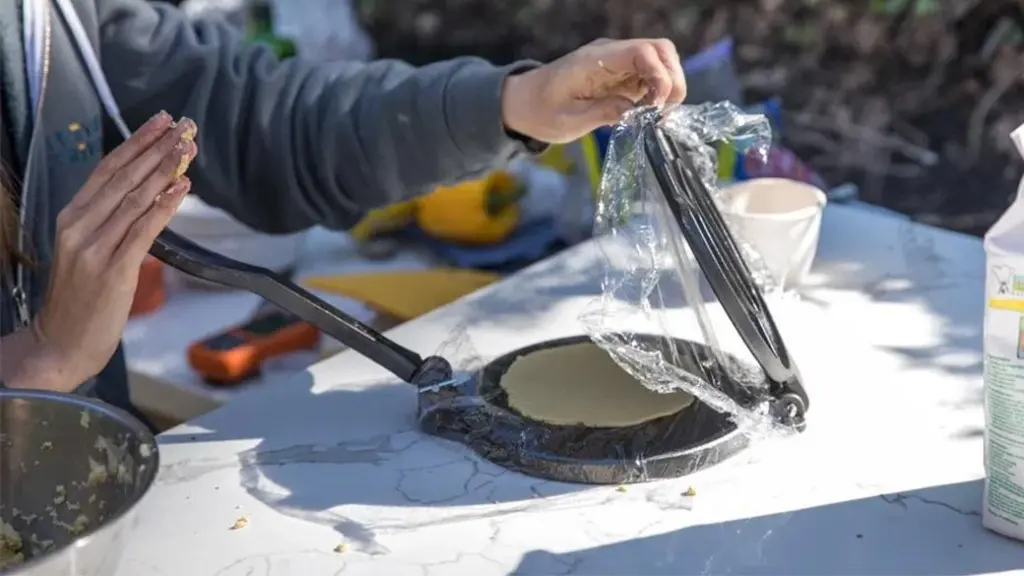
When making homemade tortillas, achieving a perfect, even round can be a challenge without the right tools and techniques. Many home cooks turn to a tortilla press for consistent results, but the question often arises: can you use wax paper in a tortilla press to prevent sticking and make cleanup easier? Understanding the advantages and drawbacks of using wax paper in this context is essential for anyone looking to streamline their tortilla-making process.
This article explores the practicalities of using wax paper with a tortilla press, including its benefits, limitations, and alternative options. Whether you’re a seasoned tortilla maker or just starting out, you’ll find actionable advice to help you get the most out of your press and dough.
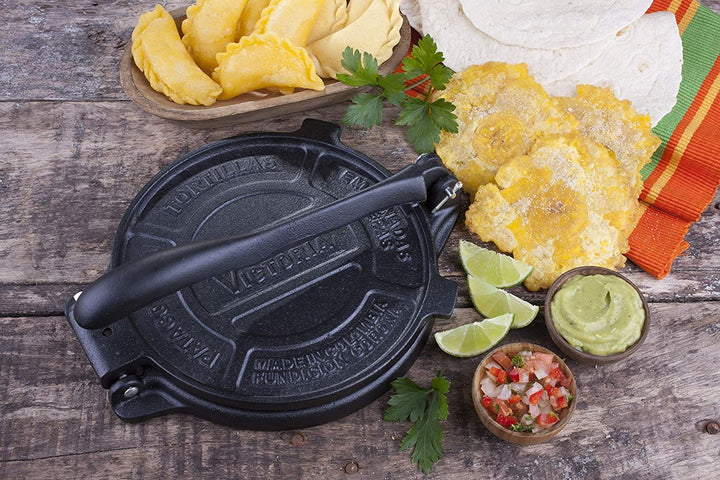
If you’re interested in exploring other creative uses for your press, check out our guide on using a tortilla press for patacones for more inspiration.
Understanding Wax Paper and Tortilla Press Use
Wax paper is a common kitchen staple, valued for its nonstick surface and flexibility. It’s often used to separate foods or line surfaces during food prep. When it comes to tortilla presses, many people consider wax paper as a liner to prevent dough from sticking to the plates. But is it the best choice for this job?
The answer depends on several factors, including the type of dough, the temperature involved, and your personal preferences for convenience and cleanup. Let’s take a closer look at how wax paper performs in this role.
Benefits of Using Wax Paper with a Tortilla Press
There are several reasons why home cooks might reach for wax paper when pressing tortillas:
- Nonstick surface: Wax paper helps prevent masa or flour dough from adhering to the plates, making it easier to remove the pressed tortilla without tearing.
- Easy cleanup: Using a liner means less dough residue on the press itself, reducing the need for scrubbing and extending the life of your equipment.
- Convenient portioning: You can stack pressed tortillas with sheets of wax paper in between, keeping them from sticking together before cooking.
- Availability: Wax paper is widely available and inexpensive, making it an accessible solution for most kitchens.
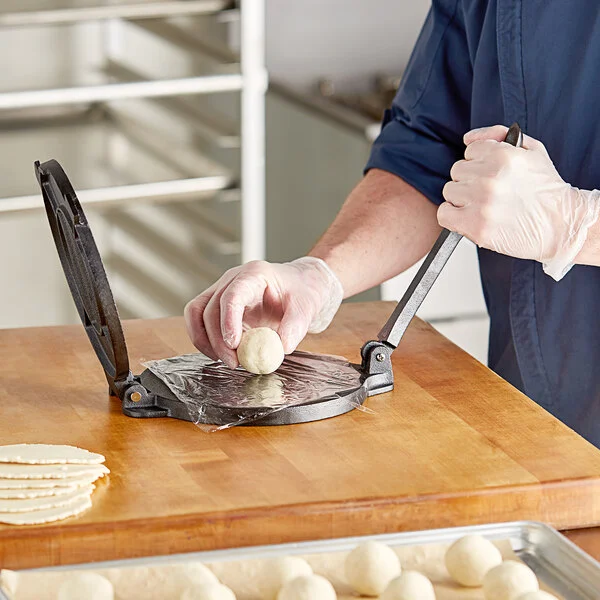
Drawbacks and Limitations of Wax Paper in a Press
While wax paper offers convenience, it’s not without its downsides when used in a tortilla press:
- Heat sensitivity: Wax paper is coated with a thin layer of wax that can melt or transfer to food if exposed to high temperatures. While pressing tortillas is typically a cold process, any residual heat or friction could cause issues.
- Potential for tearing: Wax paper is thinner and less durable than alternatives like parchment paper or plastic, making it more likely to tear, especially with wetter doughs.
- Possible flavor transfer: In rare cases, the wax coating may impart a slight taste or residue to the dough, particularly if the paper is old or stored near strong-smelling foods.
- Not suitable for cooking: Wax paper should never be used on a hot surface or in the oven, so it must be removed before cooking the tortillas.
For a deeper dive into tortilla-making techniques and troubleshooting, you might find the tips for making tortillas at home from experienced cooks especially helpful.
Alternatives to Wax Paper for Tortilla Presses
If you’re concerned about the limitations of wax paper, there are several other materials commonly used to line a tortilla press:
- Parchment paper: This is heat-resistant and less likely to tear, making it a popular choice for pressing tortillas. It’s also food-safe and doesn’t transfer flavors.
- Plastic sheets: Cut from food-safe plastic bags or zip-top bags, these are durable, reusable, and provide excellent nonstick performance.
- Reusable silicone mats: These flexible liners are easy to clean and can be used repeatedly, reducing waste.
Each alternative has its own pros and cons, but many tortilla enthusiasts prefer plastic or parchment for their reliability and ease of use.
Tips for Getting the Best Results with Your Tortilla Press
Regardless of the liner you choose, following a few best practices will help you achieve consistent, high-quality tortillas:
- Cut your liner (wax paper, parchment, or plastic) into circles or squares slightly larger than your press plates for full coverage.
- Use fresh, well-hydrated dough to minimize sticking and tearing.
- Press gently at first, then apply more pressure for an even thickness.
- Remove the pressed tortilla carefully, peeling away the liner slowly to avoid tearing.
- Clean your press after each use, especially if any dough or liner residue remains.
If you’re curious about how to maintain your equipment, our article on how to tell if a tortilla press is seasoned offers practical advice for keeping your press in top condition.

Comparing Wax Paper to Other Lining Materials
| Material | Nonstick Performance | Durability | Heat Resistance | Reusability |
|---|---|---|---|---|
| Wax Paper | Good | Fair | Poor | No |
| Parchment Paper | Excellent | Good | Excellent | No |
| Plastic Sheets | Excellent | Excellent | Good | Yes |
| Silicone Mats | Excellent | Excellent | Excellent | Yes |
When to Use Wax Paper in a Tortilla Press
Wax paper can be a practical choice for lining your press if you’re working with cool dough and plan to remove the paper before any cooking. It’s especially useful for quick, small batches or when you don’t have other liners on hand. However, for frequent tortilla making or when working with wetter doughs, alternatives like parchment or plastic may offer better results.
For those interested in exploring different types of presses, our comparison of manual and electric tortilla presses breaks down the pros and cons of each style.
Frequently Asked Questions
Is wax paper safe to use with all types of tortilla dough?
Wax paper works well with most masa and flour doughs, provided the dough isn’t too wet or sticky. For very moist doughs, you may find that wax paper tears more easily, so consider using parchment or plastic liners for those recipes.
Can I cook tortillas with wax paper attached?
No, wax paper should always be removed before cooking. The wax coating can melt or burn when exposed to heat, which could affect the flavor and safety of your tortillas.
What’s the best alternative to wax paper for a tortilla press?
Many home cooks prefer plastic sheets cut from food-safe bags or parchment paper for their durability and nonstick properties. Silicone mats are another reusable option that offers excellent performance and easy cleanup.
Does using a liner affect the thickness or shape of tortillas?
Using a liner like wax paper or plastic does not significantly affect the thickness or roundness of your tortillas if you cut the sheets to fit your press and apply even pressure. Liners mainly serve to prevent sticking and simplify removal.
Conclusion
Using wax paper in a tortilla press can be a convenient way to prevent sticking and speed up cleanup, especially for occasional tortilla makers. However, it’s important to be aware of its limitations, including its tendency to tear and its lack of heat resistance. For frequent use or wetter doughs, alternatives like parchment paper or plastic sheets may provide a better experience.
By understanding the pros and cons of each liner material, you can choose the best option for your kitchen and enjoy fresh, homemade tortillas with less hassle. For more tips and tricks on tortilla making and press maintenance, explore our other resources, such as the cast iron tortilla press weight guide and advice on flattening empanadas with a press.