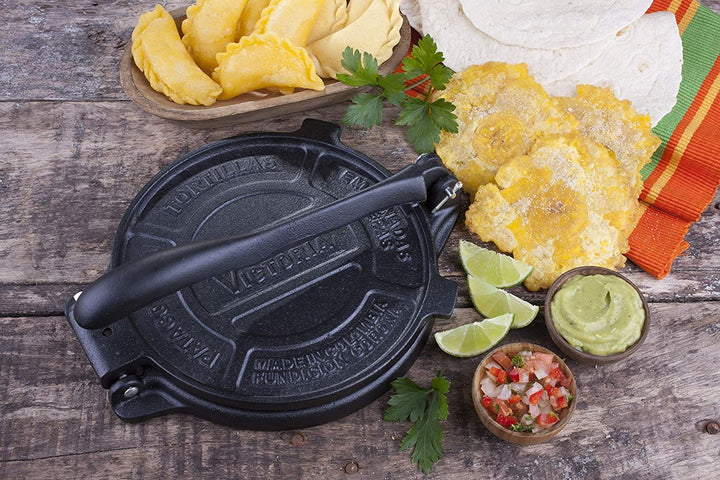
Keeping your cast iron press clean and sanitary is essential for both food safety and the longevity of your kitchen equipment. Whether you use your press for tortillas, patacones, or empanadas, proper cleaning between cooking sessions prevents the buildup of food residue, bacteria, and rust. In this guide, you’ll learn practical steps for how to sanitize a cast iron press without damaging its seasoning or structure.
Many home cooks wonder about the best way to care for their cast iron tools. While these presses are known for their durability, they do require specific maintenance routines. If you’re also interested in using your press for different recipes, you might find helpful tips in related resources such as using a tortilla press for patacones or learning how to flatten empanadas with a press.
Why Proper Cleaning Matters for Cast Iron Presses
Cast iron is prized for its even heat distribution and natural non-stick surface, but it is also susceptible to rust and contamination if not cared for correctly. Food particles left on the surface can harbor bacteria and compromise the flavor of future dishes. Additionally, improper cleaning methods can strip away the seasoning, which is the protective layer that keeps your press non-stick and rust-resistant.
Regular sanitizing not only ensures food safety but also preserves the press’s performance and extends its lifespan. If you’re unsure whether your press is ready for use, you can check out this guide on how to tell if a tortilla press is seasoned.
Supplies Needed for Effective Sanitizing
Before starting the cleaning process, gather the following items:
- Warm water
- Mild dish soap (optional, use sparingly)
- Non-abrasive sponge or stiff brush
- Clean, dry towels
- Paper towels
- Vegetable oil or food-safe mineral oil
- Rubber gloves (optional for sensitive skin)
Step-by-Step Guide: Cleaning and Sanitizing Your Cast Iron Press
1. Remove Food Debris Immediately
After each use, let the press cool slightly until it is safe to handle but still warm. Use a paper towel or a soft cloth to wipe away any food particles or grease. Avoid letting food dry and harden on the surface, as this makes cleaning more difficult.
2. Wash With Warm Water
Rinse the press under warm running water. For most cleaning sessions, water alone is sufficient. If you need to use soap, choose a mild variety and use it sparingly to avoid stripping the seasoning. Gently scrub the surface with a non-abrasive sponge or brush, focusing on any stuck-on bits. Never soak cast iron or leave it submerged, as this can lead to rust.
3. Dry Thoroughly
Immediately dry the press with a clean towel. Moisture is the enemy of cast iron and can quickly cause rust spots. For extra assurance, you can place the press on a stovetop burner over low heat for a few minutes to evaporate any remaining moisture.
4. Sanitize and Re-Season
To further sanitize, especially after handling raw meats or sticky doughs, you can wipe the surface with a paper towel lightly dampened with white vinegar. Vinegar is a natural disinfectant and safe for food surfaces. After sanitizing, apply a thin layer of vegetable oil or food-safe mineral oil to all surfaces. Buff off any excess oil with a paper towel.

Common Mistakes to Avoid When Sanitizing Cast Iron
- Never use steel wool or harsh abrasives that can strip the seasoning and scratch the surface.
- Avoid soaking the press in water or leaving it wet for extended periods.
- Do not use the dishwasher, as the high heat and detergents can ruin the seasoning and promote rust.
- Don’t store the press with moisture trapped between its plates or in a humid environment.
Maintaining Your Cast Iron Press Between Uses
Consistent care will keep your press in top condition. Store it in a dry place, preferably with a paper towel between the plates to absorb any residual moisture. If you notice any rust spots, address them promptly by scrubbing with a bit of coarse salt and oil, then re-seasoning as needed.
For more tips on selecting the right press for your needs, see the cast iron tortilla press weight guide or compare options in the difference between manual and electric tortilla press article.
Expert Tips for Long-Term Sanitation and Care
- Re-season regularly: If your press starts to look dull or sticky, apply a thin coat of oil and heat it in the oven at 350°F (175°C) for about an hour.
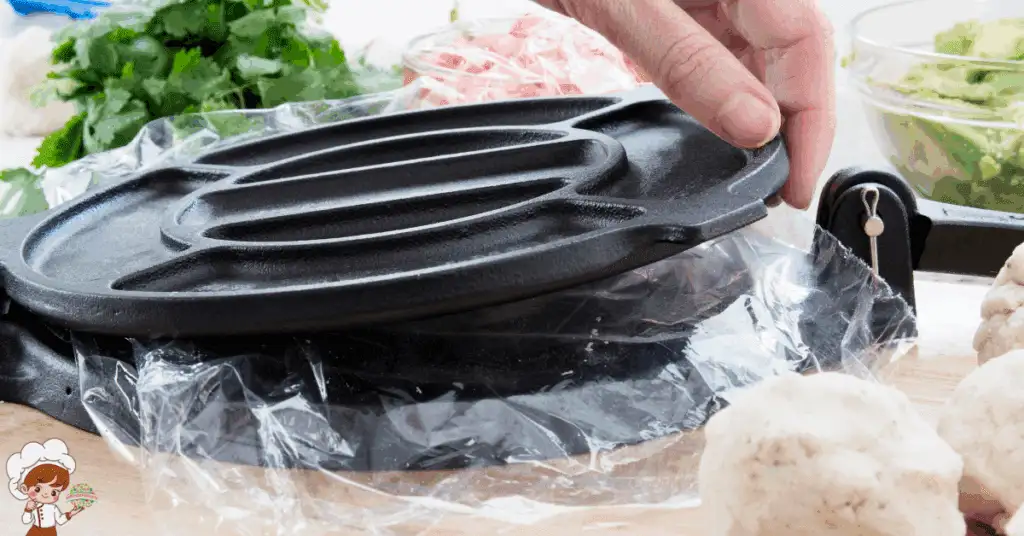
- Use parchment or plastic liners: When pressing sticky doughs or foods, liners can help prevent residue buildup and make cleaning easier.
- Inspect before each use: Check for any signs of rust, residue, or odor. Address any issues before cooking.
- Refer to manufacturer guidelines: For specific care instructions, consult the product manual or reputable resources such as the Lodge Cast Iron cleaning and care page.
Frequently Asked Questions
Can I use soap to clean my cast iron press?
Yes, you can use a small amount of mild dish soap if necessary. However, it should be used sparingly to avoid stripping the seasoning. Most of the time, warm water and a non-abrasive sponge are sufficient for cleaning.
What should I do if my press starts to rust?
If you notice rust, scrub the affected area with coarse salt and a little oil, then rinse and dry thoroughly. Re-season the press by applying a thin layer of oil and heating it in the oven. This will restore the protective coating.
How often should I sanitize my cast iron press?
Sanitize your press after every cooking session, especially if you’ve handled raw meat or sticky dough. Regular cleaning and drying will prevent bacteria growth and maintain the seasoning.
Is it safe to use vinegar for sanitizing?
Yes, white vinegar is a safe and effective natural disinfectant for cast iron. Use it sparingly and always re-oil the surface afterward to maintain the seasoning.