As more seniors choose to age in place, ensuring their well-being and security at home has become a top priority for families and caregivers. Elderly safety monitoring at home offers peace of mind by leveraging technology to support independent living, detect emergencies, and maintain daily routines. From smart sensors to remote alerts, modern solutions make it possible for older adults to stay safe and connected without sacrificing their autonomy.
Understanding the available options and how to implement them effectively can help families create a supportive environment. This guide explores essential devices, practical strategies, and best practices for safeguarding seniors at home. For those interested in broader home protection, our resource on next-generation home security systems provides additional insights into advanced security features for every household.
Why Home-Based Senior Safety Is Essential
For many older adults, remaining in their own homes is a source of comfort and dignity. However, living alone or with limited supervision can introduce risks such as falls, medical emergencies, and unnoticed hazards. Home safety monitoring for seniors addresses these challenges by providing real-time alerts, routine check-ins, and environmental monitoring. These systems help bridge the gap between independence and the need for timely assistance.
Key benefits include:
- Immediate emergency response: Devices can notify caregivers or emergency services if a fall or unusual activity is detected.
- Routine wellness checks: Sensors and cameras help ensure daily activities are proceeding as expected.
- Peace of mind: Family members can remotely check on loved ones, reducing anxiety and stress.
Core Technologies for Elderly Safety Monitoring at Home
Modern solutions for elderly safety monitoring at home combine smart sensors, connected devices, and user-friendly interfaces. Here are some of the most effective technologies for supporting independent living:
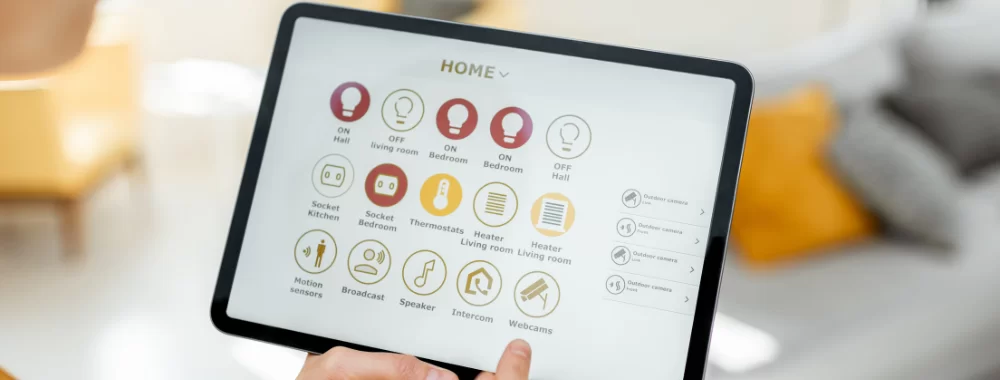
- Motion sensors: These detect movement in key areas, alerting caregivers if there is a lack of activity or unexpected motion. Learn more about effective placement in our article on motion sensors for home protection.
- Wearable emergency buttons: Devices such as pendants or wristbands allow seniors to call for help instantly if they fall or feel unwell.
- Smart cameras: Discreet indoor cameras can provide visual check-ins while respecting privacy, especially in common areas.
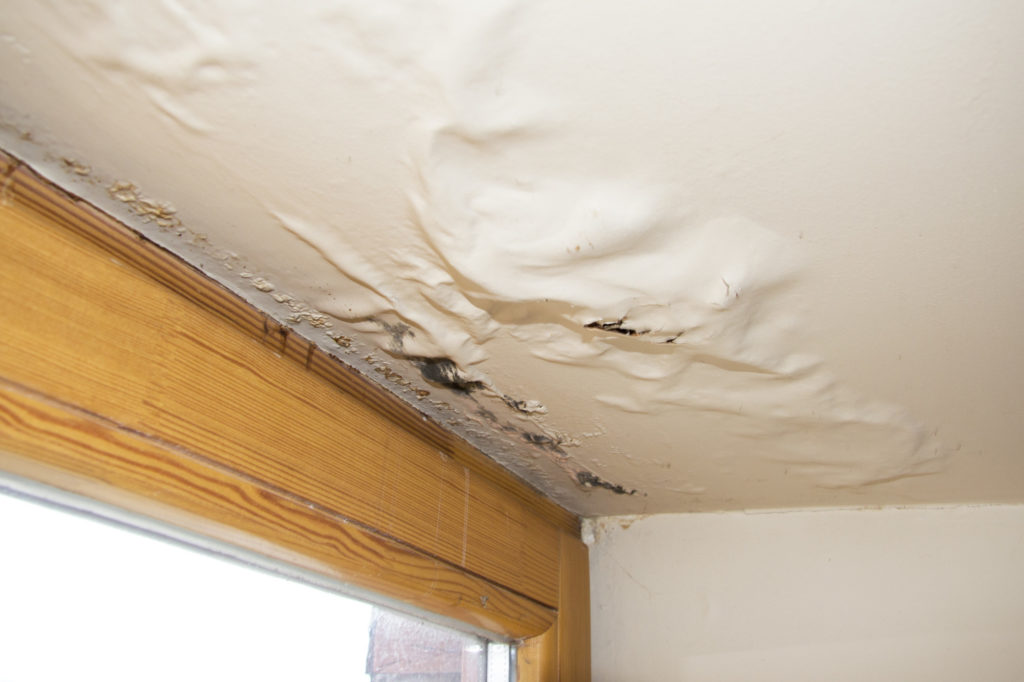
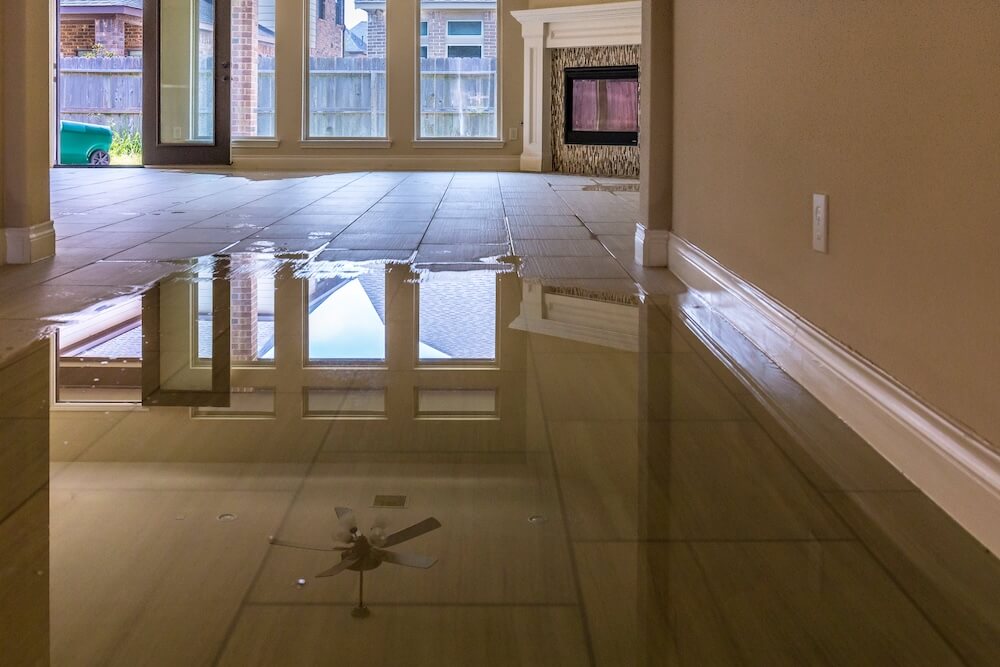
- Environmental monitors: Sensors for smoke, carbon monoxide, and water leaks add an extra layer of protection against household hazards.
- Routine monitoring systems: Some platforms track daily activities, such as medication intake or kitchen use, and send alerts if patterns change.
Setting Up a Reliable Independent Living Environment
Creating a safe and supportive home for seniors involves more than just installing devices. It requires thoughtful planning, regular maintenance, and ongoing communication. Here are steps to establish a comprehensive monitoring setup:
- Assess the home: Identify high-risk areas such as bathrooms, stairs, and entryways. Consider lighting, flooring, and accessibility.
- Choose appropriate devices: Select products that match the senior’s needs and comfort with technology. Simpler interfaces are often more effective for daily use.
- Integrate with existing systems: Many monitoring tools can connect with smart home hubs or voice assistants for seamless operation.
- Test and maintain: Regularly check batteries, connectivity, and alert functions to ensure reliability.
- Establish response protocols: Decide who receives alerts and how emergencies will be handled, whether through family, neighbors, or professional services.
For a holistic approach, consider combining physical safety measures with home digital safety strategies to protect against online threats and scams targeting seniors.
Key Features to Look for in Home Monitoring Solutions
When evaluating systems for elderly safety monitoring at home, prioritize features that enhance usability and responsiveness:
- 24/7 monitoring: Continuous coverage ensures emergencies are detected at any time.
- Two-way communication: Built-in speakers and microphones allow direct conversation between seniors and caregivers or emergency responders.
- Customizable alerts: Set thresholds for activity, inactivity, or environmental changes to tailor notifications to individual routines.
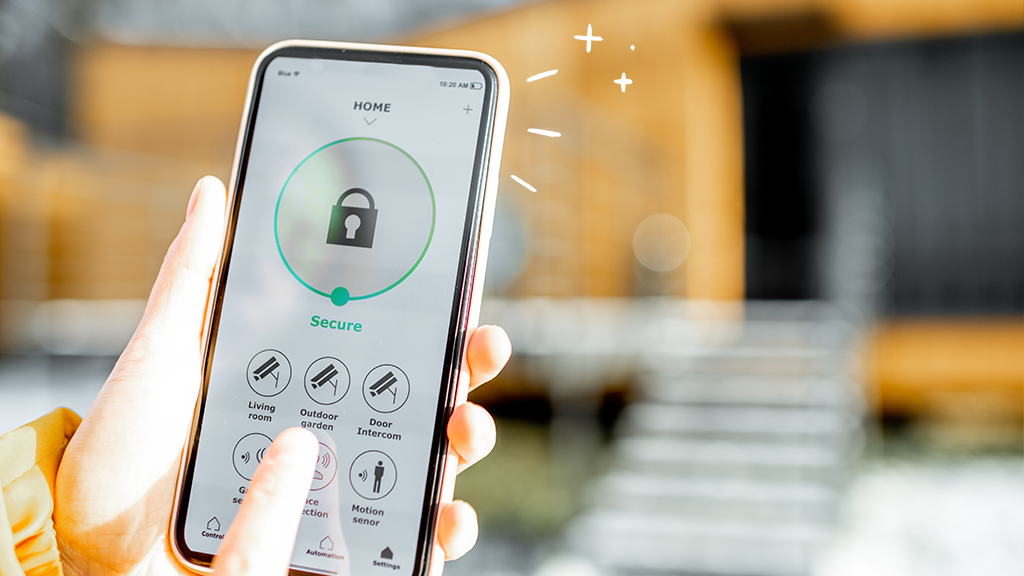
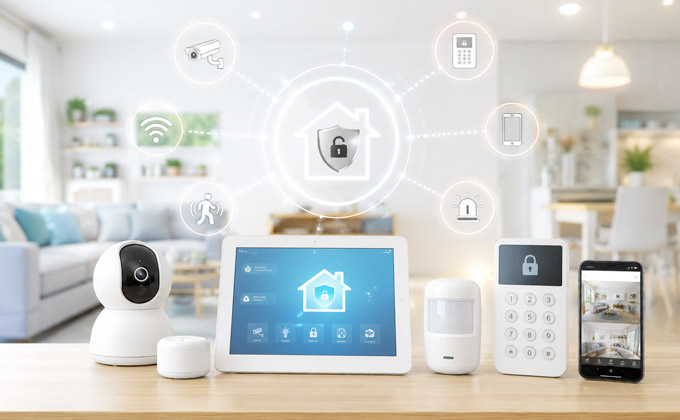
- Remote access: Mobile apps and web dashboards let family members check status and receive updates from anywhere.
- Privacy controls: Options to disable cameras or limit access help maintain dignity and independence.
For those interested in advanced security, our guide on safe room planning at home explores how to create secure spaces for added peace of mind.
Best Practices for Maintaining Senior Safety at Home
Technology is most effective when combined with proactive habits and regular check-ins. Consider these best practices for ongoing support:
- Educate seniors: Walk through device usage and emergency procedures to build confidence.
- Schedule regular updates: Review system logs and test alerts to catch issues early.
- Encourage social connections: Loneliness can impact health; facilitate virtual visits or community engagement.
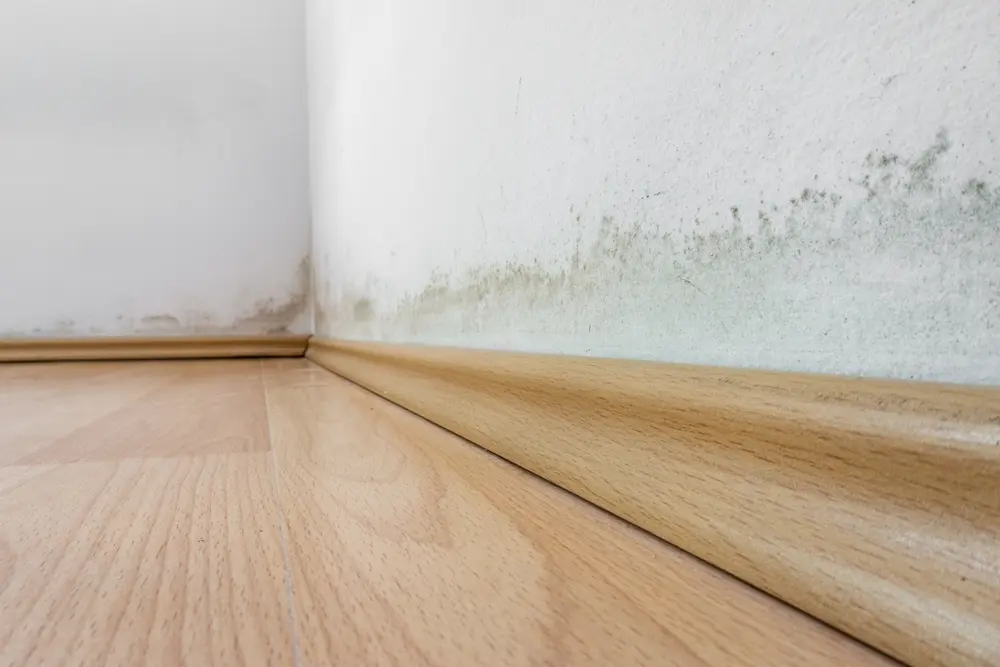
- Monitor environmental hazards: Use smart sensors to detect mold, leaks, or air quality issues. For more, see our article on early mold detection systems.
- Review insurance and risk management: For comprehensive protection, consult resources like this proactive home protection guide for personal risk management tips.
Integrating Elderly Safety Monitoring with Daily Life
Successful implementation of elderly safety monitoring at home depends on balancing security with comfort. Involve seniors in decision-making, respect their preferences, and choose solutions that blend seamlessly with their routines. By combining technology with empathy and communication, families can support independent living while ensuring rapid response to any concern.
For additional strategies on digital and physical security, explore our resource on home digital safety strategies.
Frequently Asked Questions
What are the most important devices for monitoring seniors at home?
Essential devices include motion sensors, wearable emergency buttons, smart cameras, and environmental monitors for smoke, carbon monoxide, and water leaks. These tools provide real-time alerts and help ensure daily routines are followed safely.
How can families respect privacy while using monitoring technology?
Choose devices with customizable privacy settings, such as disabling cameras in private areas or limiting access to certain users. Always involve seniors in decisions about which devices are installed and where they are placed.
Can elderly safety monitoring systems be integrated with other smart home devices?
Yes, many monitoring solutions work with smart home hubs, voice assistants, and automation platforms. This integration allows for centralized control and can enhance both security and convenience for seniors.