Modern households rely on a growing number of sensitive electronics, from smart TVs and computers to security systems and kitchen appliances. As our homes become more connected, the risk of electrical surges damaging these valuable devices increases. Surge protection for homes is no longer a luxury—it’s a necessity for anyone wanting to keep their investments safe and avoid costly replacements.
Power surges can strike at any time, often without warning. Whether caused by lightning, utility grid switching, or even large appliances cycling on and off, these sudden spikes in voltage can wreak havoc on your electronics. Understanding how to defend your home against these risks is essential for maintaining both safety and peace of mind.
For those interested in a holistic approach to household safety, you may also want to explore next-generation home security systems that integrate with smart surge protectors and monitoring devices. Combining these solutions can provide a comprehensive shield for your home’s technology.
Why Electrical Surges Are a Threat to Modern Homes
Electrical surges are brief but intense increases in voltage that can enter your home’s wiring and damage anything plugged in. These spikes may last only microseconds, but the impact can be severe—especially for sensitive electronics. Common causes include:
- Lightning strikes near your property or power lines
- Utility company grid switching or maintenance
- Large appliances (like air conditioners) turning on and off
- Faulty wiring or overloaded circuits
Even small, repeated surges can gradually degrade the internal components of your devices, shortening their lifespan and leading to unexpected failures.
Types of Surge Protection for Homes
There are several ways to protect your home from electrical surges. The most effective strategies use a layered approach, combining different types of devices for maximum coverage.
Whole-House Surge Protectors
Installed at your main electrical panel, these devices block or divert excess voltage before it reaches your home’s circuits. Whole-house surge protectors are your first line of defense, especially against large external surges like lightning. They are designed to handle high-energy spikes and protect all the outlets and appliances in your home.
Point-of-Use Surge Protectors
These are the familiar power strips or wall units you plug your electronics into. Point-of-use protectors are essential for sensitive devices such as computers, TVs, and gaming consoles. They provide an extra layer of security by absorbing smaller surges that may get past your main panel protection.

Smart Surge Protection Devices
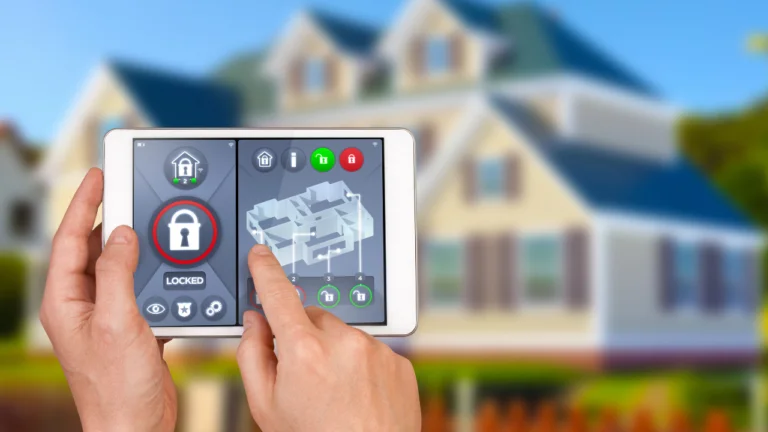
With the rise of smart homes, surge protection is evolving. Some advanced devices offer remote monitoring, automatic shutdown, and integration with home automation systems. These features let you track power quality and receive alerts if a surge is detected, helping you act quickly to prevent damage.
How to Choose the Right Surge Protection for Your Home
When selecting the best protection for your household, consider the following factors:
- Joule rating: This measures how much energy the device can absorb before failing. Higher ratings mean better protection.
- Clamping voltage: The lower the clamping voltage, the sooner the protector will divert excess energy away from your devices.
- Response time: Faster response times reduce the risk of damage to sensitive electronics.
- Number of outlets: Ensure the device can accommodate all your equipment.
- Warranty and equipment coverage: Some manufacturers offer warranties that cover connected devices if the protector fails.
For homes with many smart devices, consider surge protectors with USB ports or smart features for added convenience.
Installation Tips and Best Practices
Proper installation is crucial for effective surge protection. Here are some guidelines to follow:
- Have a licensed electrician install whole-house surge protectors at your main panel.
- Use point-of-use protectors for all valuable or sensitive electronics, especially in home offices, entertainment centers, and kitchens.
- Replace surge protectors every few years or after a major surge event, as their effectiveness can diminish over time.
- Don’t daisy-chain power strips or overload outlets, as this can create fire hazards and reduce protection.
Integrating surge protection with other safety strategies, such as home digital safety strategies, further strengthens your household’s resilience against both physical and digital threats.
Additional Benefits of Investing in Surge Protection
Beyond safeguarding your electronics, investing in robust surge protection offers several advantages:
- Reduced downtime: Preventing damage means less time spent on repairs or replacements.
- Lower maintenance costs: Protecting appliances and systems extends their lifespan and reduces service calls.
- Increased property value: Homes with upgraded electrical safety features are more attractive to buyers.
- Peace of mind: Knowing your technology is protected lets you enjoy the benefits of a connected home without worry.
For a broader perspective on proactive home protection, review this personal risk management guide for homeowners that covers additional strategies for safeguarding your property and assets.
Frequently Asked Questions
What is the difference between a surge protector and a power strip?
A power strip simply provides multiple outlets, while a surge protector includes components that absorb or divert excess voltage. Always look for devices labeled as surge protectors with a joule rating for real protection.
Do I need both whole-house and point-of-use surge protectors?
Yes, using both types creates a layered defense. Whole-house protectors stop large surges at the panel, while point-of-use devices handle smaller spikes and protect sensitive electronics directly.
How often should surge protectors be replaced?
Most surge protectors have a limited lifespan, especially after absorbing a significant surge. Replace them every 3–5 years, or sooner if your area experiences frequent electrical storms or power fluctuations.
Can surge protection help with smart home devices?
Absolutely. Smart home devices are often more sensitive to voltage fluctuations. Using surge protectors with smart features or USB ports can help protect and monitor these devices effectively.
Protecting your home’s electronics is a smart investment. By understanding the risks and implementing the right surge protection solutions, you can keep your devices safe, your home running smoothly, and your mind at ease.