As temperatures drop, keeping your home warm becomes a top priority. However, ensuring home heating system safety is just as important as staying comfortable. Heating equipment, if not properly maintained or used, can present serious hazards, including fire, carbon monoxide poisoning, and electrical issues. By following preventive measures and understanding the risks, you can enjoy a cozy winter without compromising your family’s well-being.
This guide covers essential steps to safeguard your heating setup, from regular maintenance to smart technology integration. For those interested in broader home protection, exploring next-generation home security systems can further enhance your peace of mind.
Understanding the Risks of Home Heating
Heating systems are a leading cause of residential fires and related injuries during the winter months. Furnaces, space heaters, fireplaces, and wood stoves each carry unique risks. Common hazards include:
- Fire hazards from flammable materials placed too close to heat sources
- Carbon monoxide leaks due to poor ventilation or faulty equipment
- Electrical malfunctions in portable heaters or outdated wiring
- Gas leaks from damaged lines or connectors
Recognizing these dangers is the first step toward effective prevention and a safer home environment.
Routine Maintenance for Heating Equipment
Regular upkeep is crucial for heating system safety. Annual inspections and maintenance help identify issues before they become emergencies. Key actions include:
- Scheduling a professional inspection for your furnace or boiler every year
- Changing or cleaning filters monthly during heavy use
- Checking for unusual noises, odors, or performance drops
- Ensuring vents and chimneys are clear of obstructions
For wood-burning appliances, have chimneys swept annually to prevent creosote buildup, which can ignite and cause chimney fires.
Safe Operation of Space Heaters and Fireplaces
Portable heaters and fireplaces offer supplemental warmth but require careful use. To minimize risks:
- Keep anything flammable at least three feet away from heat sources
- Never leave heaters or fires unattended, especially around children or pets
- Use only heaters with automatic shut-off features and tip-over protection
- Plug electric heaters directly into wall outlets, not extension cords or power strips
- Extinguish all fires before leaving the room or going to sleep
Fireplaces should have sturdy screens to prevent sparks from escaping. For gas fireplaces, ensure the pilot light and gas connections are regularly checked for leaks.
Improving Air Quality and Preventing Carbon Monoxide Exposure
Combustion-based heating systems can produce carbon monoxide (CO), an odorless and potentially deadly gas. To protect your household:
- Install CO detectors on every level of your home, especially near sleeping areas
- Test alarms monthly and replace batteries at least twice a year
- Never use ovens, grills, or outdoor heaters indoors
- Ensure all fuel-burning appliances are vented properly to the outside
If a CO alarm sounds, evacuate immediately and call emergency services. Regularly review safety procedures with all family members.
Integrating Smart Technology for Safer Heating
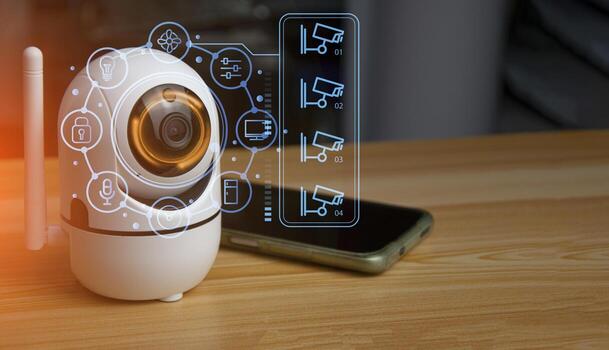
Modern technology can enhance home heating system safety by providing real-time monitoring and alerts. Smart thermostats, energy monitors, and connected smoke or CO detectors can help you:
- Track energy usage and spot unusual patterns
- Receive instant alerts for temperature drops, smoke, or gas leaks
- Remotely control heating settings to prevent overheating or energy waste
For those interested in advanced protection, consider reviewing the future of home protection technology for the latest trends in smart home safety.
Additional Tips for a Safe and Comfortable Winter
Beyond equipment maintenance and technology, a few extra steps can make your home both safer and more efficient:
- Seal windows and doors to prevent drafts and reduce heating demands
- Keep emergency supplies, such as flashlights and blankets, accessible in case of power outages
- Educate all household members about emergency procedures, including how to shut off gas or electricity
- Review your insurance coverage to ensure it includes fire and carbon monoxide incidents
For families with seniors or those with special needs, consider resources like elderly safety monitoring at home and medical alert systems for home use to provide additional layers of protection.
Resources for Homeowners
Staying informed is key to maintaining a secure living environment. For first-time homeowners or anyone looking to upgrade their safety measures, this comprehensive guide to home security for first-time homeowners offers valuable insights and actionable advice.
If you’re planning to enhance your home’s security further, you may also want to explore safe room planning at home for ideas on creating a secure family sanctuary.
Frequently Asked Questions
How often should I have my heating system inspected?
It’s recommended to schedule a professional inspection of your primary heating system at least once a year, ideally before the start of the winter season. This helps identify potential problems early and ensures efficient, safe operation.
What are the signs of a carbon monoxide leak?
Common indicators include headaches, dizziness, nausea, confusion, or flu-like symptoms. However, carbon monoxide is odorless and colorless, so the most reliable way to detect it is with properly installed and maintained CO detectors.
Are space heaters safe to use overnight?
It’s generally unsafe to leave space heaters running unattended or while sleeping. Always turn off portable heaters before going to bed and ensure they have safety features such as automatic shut-off and tip-over protection.