Home emergency response systems have become essential for households seeking reliable protection and rapid assistance during unexpected events. Whether it’s a medical issue, fire, break-in, or electrical fault, these solutions are designed to connect you with help at the touch of a button or through automated alerts. As smart home technology advances, more families are turning to these systems for peace of mind and enhanced safety.
Modern response solutions go beyond traditional alarms. They integrate with smart sensors, mobile devices, and professional monitoring services, offering a comprehensive approach to home safety. If you’re interested in exploring how these innovations fit into the broader landscape of home protection, you might find our guide on next-generation home security systems helpful for understanding the latest features and trends.
What Are Home Emergency Response Systems?
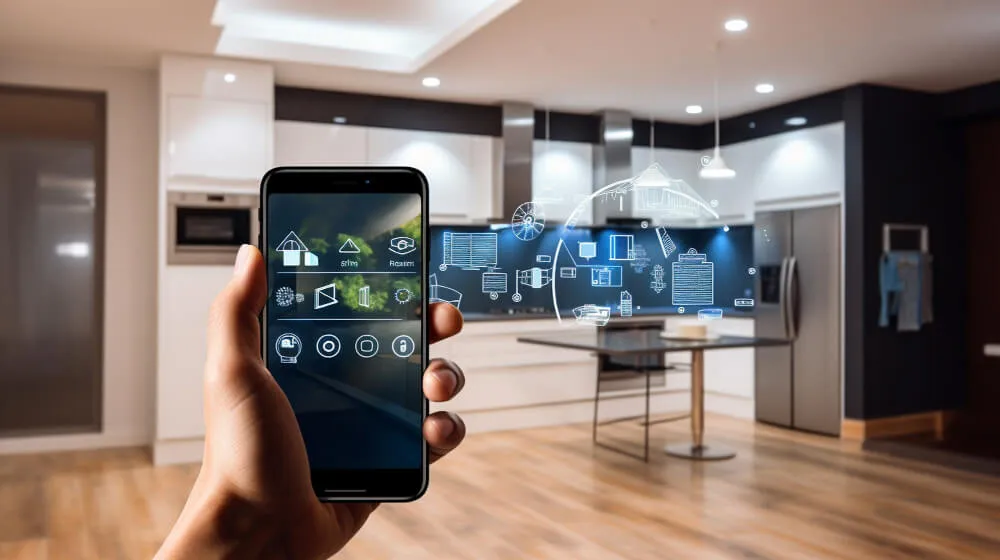
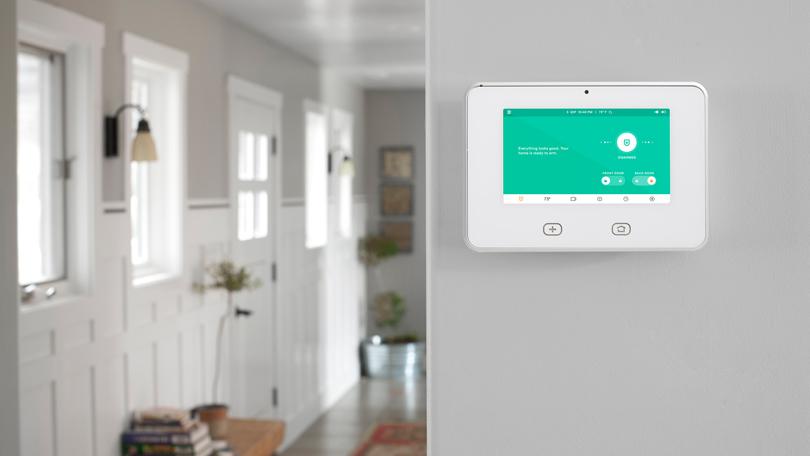
These systems are designed to provide immediate assistance during emergencies in residential settings. They typically include a combination of hardware—such as panic buttons, motion sensors, smoke detectors, and smart hubs—and software that connects to monitoring centers or emergency contacts. When triggered, the system can automatically alert responders, ensuring that help is dispatched quickly.
There are several types of solutions available, each tailored to specific risks:
- Medical alert devices for seniors or individuals with health concerns
- Intrusion detection for break-ins and unauthorized access
- Fire and carbon monoxide alarms for environmental hazards
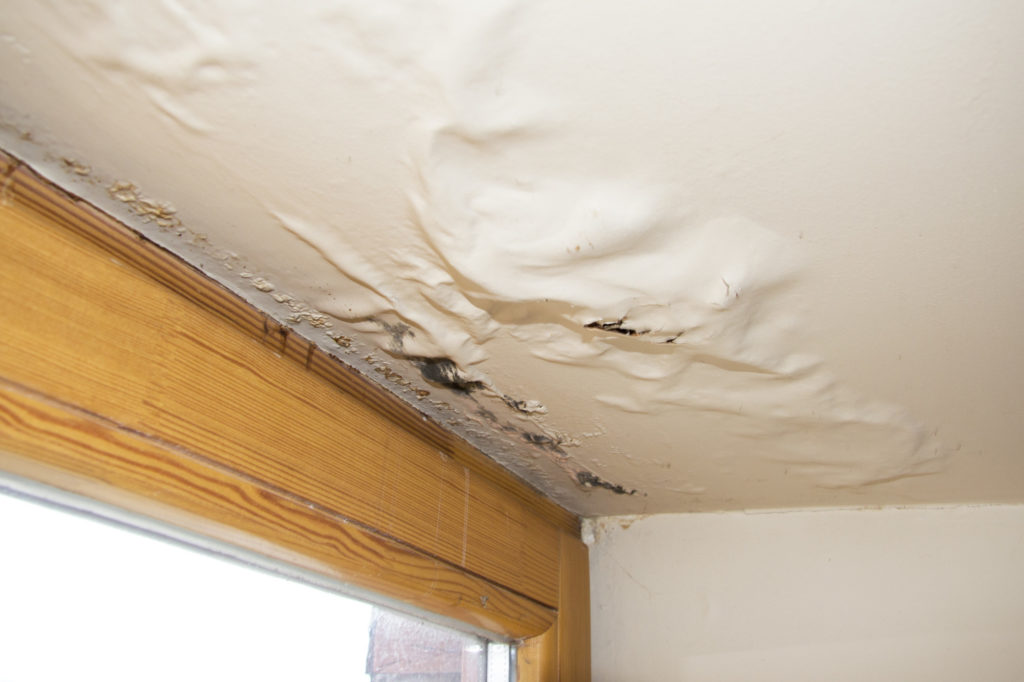
- Water leak and electrical fault sensors for property protection
Some systems are monitored by professional services, while others offer self-monitoring through mobile apps. The right choice depends on your household’s unique needs and preferences.
Key Features to Look For in Rapid Response Solutions
When evaluating home emergency response systems, certain features stand out for their ability to deliver fast and effective help:
- 24/7 professional monitoring: Ensures someone is always available to respond, even if you can’t reach your phone.
- Two-way communication: Allows you to speak directly with responders through the system’s base unit or wearable device.
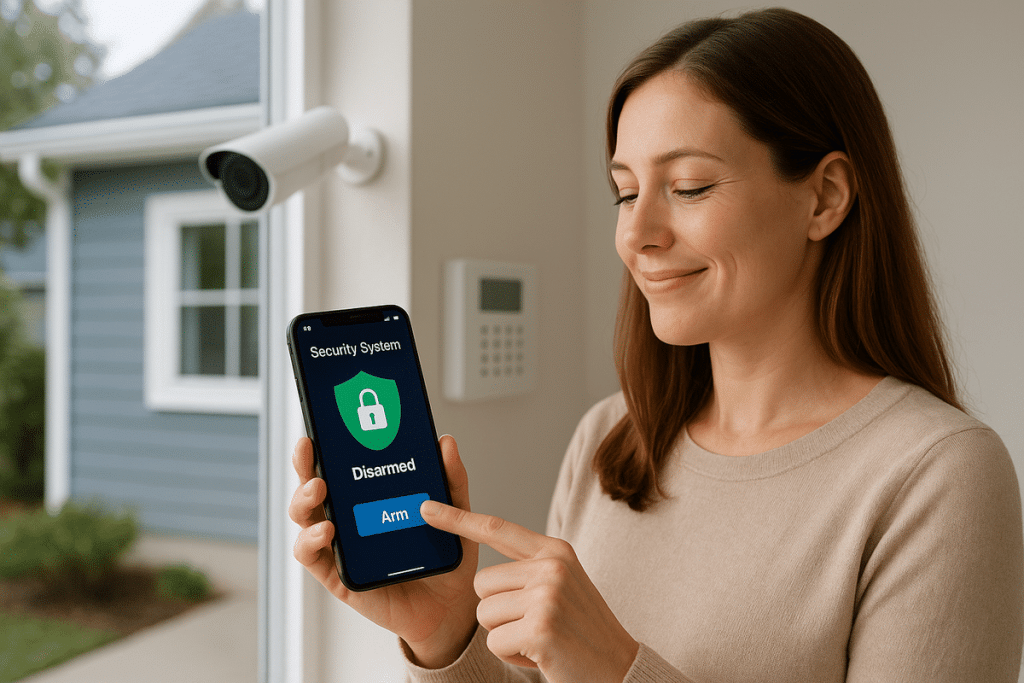
- Mobile integration: Receive alerts and control your system from anywhere using a smartphone app.
- Automatic detection: Sensors that trigger alerts for smoke, carbon monoxide, water leaks, or unusual activity.
- Backup power: Keeps the system operational during outages.
- Customizable alerts: Set up notifications for specific events or to designated contacts.
For those interested in the broader context of smart home protection, this complete guide to smart home security provides a detailed look at planning and implementing a robust system.
How These Systems Work in Real Emergencies
When an incident occurs, response systems are designed to minimize the time between detection and help. For example, if a smoke detector senses fire, the system can automatically notify both the homeowner and a monitoring center. If a panic button is pressed, it can trigger a call to emergency services or send alerts to family members.
Wearable devices are especially useful for seniors or those with mobility challenges, providing immediate access to assistance if they fall or feel unwell. Some systems also support voice activation, allowing users to call for help even if they can’t reach a button.
Integration with other smart devices—such as cameras, door locks, and lighting—can further enhance safety. For instance, lights can turn on automatically during an emergency, or doors can unlock for first responders.
Choosing the Right Solution for Your Home
Selecting the best system involves assessing your household’s risks and priorities. Here are some factors to consider:
- Household members: Do you have elderly relatives, children, or individuals with medical needs?
- Property layout: Larger homes may require additional sensors or repeaters for full coverage.
- Connectivity: Reliable Wi-Fi or cellular backup ensures alerts are always sent, even if one network fails.
- Budget: Costs can vary widely depending on features and monitoring options.
- Integration: Consider whether you want your emergency system to work with existing smart home devices.
For those particularly concerned about electrical hazards, our article on energy system protection at home explains how to prevent faults and safeguard your property from power-related incidents.
Benefits of Modern Emergency Response for Homes
Adopting a rapid response system offers several advantages:
- Peace of mind: Know that help is always within reach, whether you’re at home or away.
- Faster emergency response: Automated alerts can shave precious minutes off response times.
- Protection for vulnerable individuals: Seniors, children, and those with disabilities benefit from immediate assistance.
- Property preservation: Early detection of fire, water leaks, or electrical faults can prevent costly damage.
- Insurance discounts: Some insurers offer lower premiums for homes equipped with monitored safety systems.
As technology continues to evolve, these systems are becoming more intuitive and integrated. For a look at where the industry is heading, see our analysis of the future of home protection technology.
Integrating Emergency Response with Other Smart Home Solutions
Today’s homeowners often seek a unified approach to safety. Many emergency systems can be linked with broader smart home platforms, allowing for centralized control and automation. For example, pairing your response system with security cameras or smart locks can provide a more complete safety net.
If you’re planning a comprehensive security upgrade, our resource on safe room planning at home outlines how to create a secure space for your family in case of severe emergencies.
For families with elderly members, combining emergency response with elderly safety monitoring at home can further enhance independent living and provide reassurance to loved ones.
FAQ: Home Emergency Response Systems
How do I choose between professional monitoring and self-monitoring?
Professional monitoring offers the advantage of 24/7 oversight and direct dispatch of emergency services, even if you’re unavailable. Self-monitoring relies on your ability to respond to alerts via your phone or other devices. Consider your lifestyle, availability, and comfort with technology when deciding.
Can these systems be installed in rental properties?
Yes, many modern solutions are wireless and easy to install without permanent modifications. Look for systems that offer portability and do not require drilling or hardwiring, making them suitable for renters.
What happens if the power or internet goes out?
Most reputable systems include battery backup and cellular connectivity, ensuring they remain operational during outages. Always verify these features before purchasing to guarantee uninterrupted protection.