Carbon monoxide monitoring systems are essential safety devices for every home and business. Carbon monoxide (CO) is a colorless, odorless, and tasteless gas that can be deadly even at low concentrations. Because it is impossible to detect without specialized equipment, CO is often called the “silent killer.” Understanding how to protect your household or workplace from this invisible threat is crucial for health and safety.
CO poisoning can result from malfunctioning furnaces, gas stoves, water heaters, fireplaces, or even attached garages. Early symptoms—such as headaches, dizziness, or nausea—are easy to mistake for other illnesses. Without prompt detection and intervention, exposure can quickly become life-threatening. That’s why having reliable detection and alert systems in place is not just recommended, but necessary.
If you’re interested in comprehensive home protection, you may also want to explore next-generation home security systems that integrate CO detection with other smart safety features.
Why Carbon Monoxide Detectors Are Essential
CO is produced whenever fuel is burned—whether in cars, stoves, grills, fireplaces, or furnaces. In enclosed or poorly ventilated spaces, levels can rise quickly. The danger is compounded by the fact that humans cannot sense CO without technology. According to the CDC, hundreds of people die each year in the U.S. from accidental CO poisoning, and thousands more are hospitalized.
Carbon monoxide monitoring systems provide early warning before CO reaches dangerous concentrations. Modern devices can alert you with loud alarms, smartphone notifications, or even trigger ventilation systems. This rapid response is critical for preventing serious health consequences or fatalities.
How Carbon Monoxide Monitoring Systems Work
Most CO detectors use one of three sensor technologies: biomimetic, metal oxide semiconductor, or electrochemical. Electrochemical sensors are the most widely used in residential and commercial systems due to their accuracy and reliability. These sensors continuously sample the air and trigger an alert when CO levels exceed safe thresholds.
Advanced monitoring solutions may include features such as:
- Integration with smart home platforms
- Remote alerts via mobile apps
- Battery backup for power outages
- Interconnected alarms for whole-home coverage
- Data logging and reporting

Choosing the Right CO Detection Solution
When selecting a CO detection system, consider the size of your property, the number of fuel-burning appliances, and whether you want standalone or integrated smart devices. For multi-level homes or businesses, interconnected alarms are recommended—when one device detects CO, all alarms sound simultaneously, ensuring everyone is alerted.
Smart monitoring solutions can be especially valuable for families with children, elderly relatives, or anyone with mobility challenges. Some systems can be paired with medical alert systems for home use to provide instant emergency care in case of poisoning.
Look for devices certified by recognized safety organizations, such as UL (Underwriters Laboratories). Check for features like end-of-life warnings, test/silence buttons, and compatibility with your existing smart home infrastructure.
Installation and Maintenance Tips
Proper placement and regular maintenance are key to effective CO detection. Install detectors:
- On every level of your home, including the basement
- Near sleeping areas
- In rooms with fuel-burning appliances
- At least 10 feet away from fuel-burning sources to avoid false alarms
Test alarms monthly and replace batteries at least once a year, or as recommended by the manufacturer. Most sensors have a lifespan of 5–7 years; replace the entire unit when it reaches end-of-life. Keep detectors free from dust and debris for optimal performance.

Integrating CO Detection with Smart Home Security
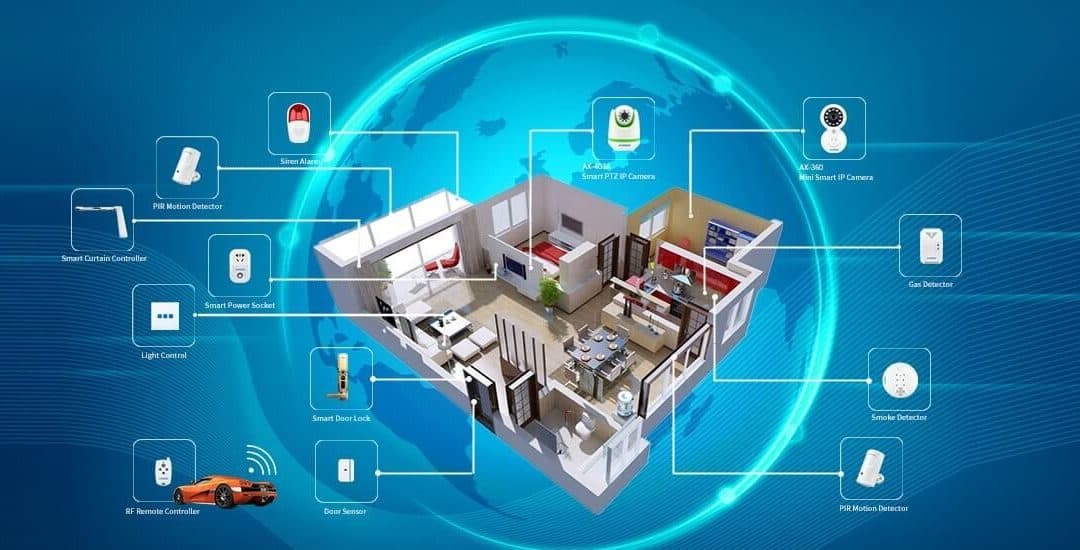
Modern carbon monoxide monitoring systems can be integrated with broader smart home security platforms. This allows for centralized control, remote monitoring, and automated emergency responses. For example, if CO is detected, your system can automatically shut down HVAC systems, unlock doors, or alert emergency contacts.
Combining CO detection with other smart security features—like video surveillance, intrusion alarms, and environmental sensors—creates a comprehensive safety net. For those interested in advanced options, proactive video monitoring for home security can add another layer of protection, especially when paired with environmental hazard detection.
If you’re planning a secure space for your family, integrating CO detection into your safe room planning at home ensures that even your most protected areas are covered against invisible threats.
Who Needs Carbon Monoxide Monitoring?
Every household and business with fuel-burning appliances should have CO detection. This includes homes with gas stoves, fireplaces, furnaces, water heaters, or attached garages. Landlords are often required by law to provide CO alarms in rental properties. Businesses, especially those with commercial kitchens or maintenance garages, also need robust monitoring.
For families with older adults or individuals with health conditions, pairing CO monitoring with elderly safety monitoring at home provides additional peace of mind. Smart systems can notify caregivers or emergency services automatically if a dangerous situation arises.
Frequently Asked Questions
Where should I install carbon monoxide detectors in my home?
Place detectors on every level of your home, especially near sleeping areas and in rooms with fuel-burning appliances. Avoid installing them directly above or beside fuel sources to prevent false alarms.
How often should I replace my CO detector?
Most CO detectors have a lifespan of 5–7 years. Check the manufacturer’s recommendations and replace the entire unit when it reaches end-of-life, even if it appears to be working.
Can smart home systems integrate with CO monitoring?
Yes, many modern smart home platforms allow you to integrate CO detection with other security and automation features. This enables remote alerts, automatic emergency responses, and centralized control for improved safety.
Conclusion
Carbon monoxide monitoring systems are a critical component of any safety plan for homes and businesses. By choosing the right devices, installing them correctly, and integrating them with your broader security infrastructure, you can protect your loved ones and property from a truly invisible threat. Regular maintenance and awareness are key to ensuring these systems work when you need them most.
For more tips on digital and physical safety, see our guide to home digital safety strategies for a secure smart household.