Creating a safe and healthy home is a top priority for families everywhere. As our daily lives become more connected, indoor environment monitoring has emerged as a practical way to identify and address hidden risks in our living spaces. From tracking air quality to detecting potential hazards, these systems empower homeowners to take proactive steps for wellness and peace of mind.
Modern solutions go beyond simple smoke detectors or thermostats. They integrate sensors, smart devices, and real-time data to provide a comprehensive view of your indoor environment. Whether you’re concerned about allergens, humidity, or security, understanding how these technologies work can help you make informed decisions for your household.
For those interested in the latest advancements, exploring next-generation home security systems can offer additional insights into how smart technology is reshaping home protection.
Why Indoor Monitoring Matters for Family Health
Many threats to household health are invisible. Dust, pollen, volatile organic compounds (VOCs), and carbon monoxide can all affect well-being without obvious signs. Indoor environment monitoring systems use sensors to track these elements, alerting you to issues before they become serious problems.
- Air quality sensors measure particulate matter, CO2, and VOCs, helping you identify when to ventilate or purify the air.
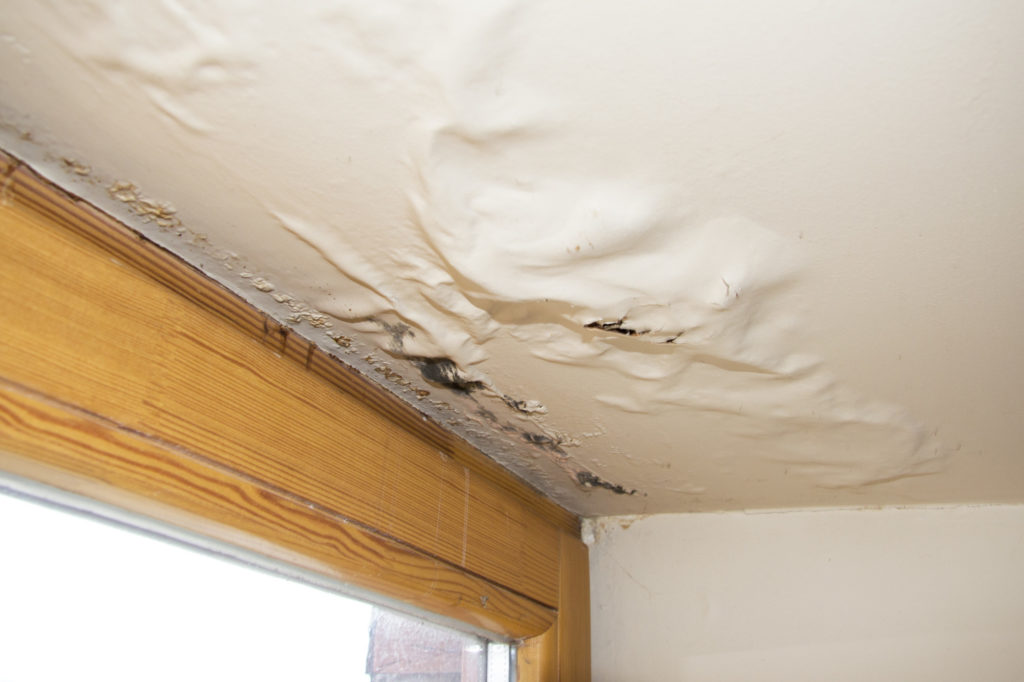
- Humidity monitors prevent mold growth by alerting you to excessive moisture.
- Temperature sensors ensure comfort and energy efficiency.
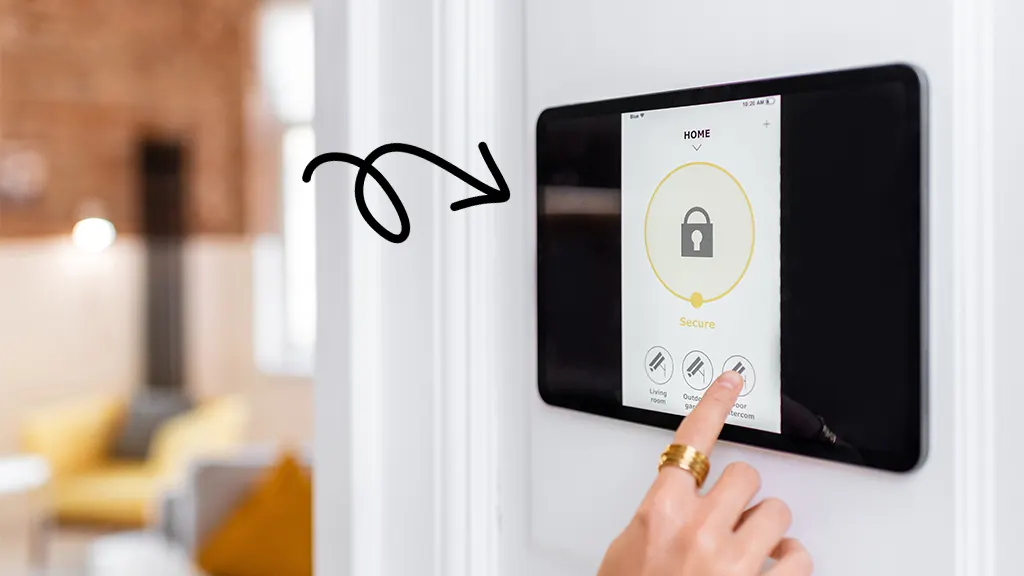
- Security integrations can detect motion, glass breakage, or unauthorized entry, adding another layer of protection.
By keeping tabs on these factors, you can reduce allergy symptoms, improve sleep, and create a safer environment for children, elderly family members, and pets.
Key Components of a Smart Home Monitoring System
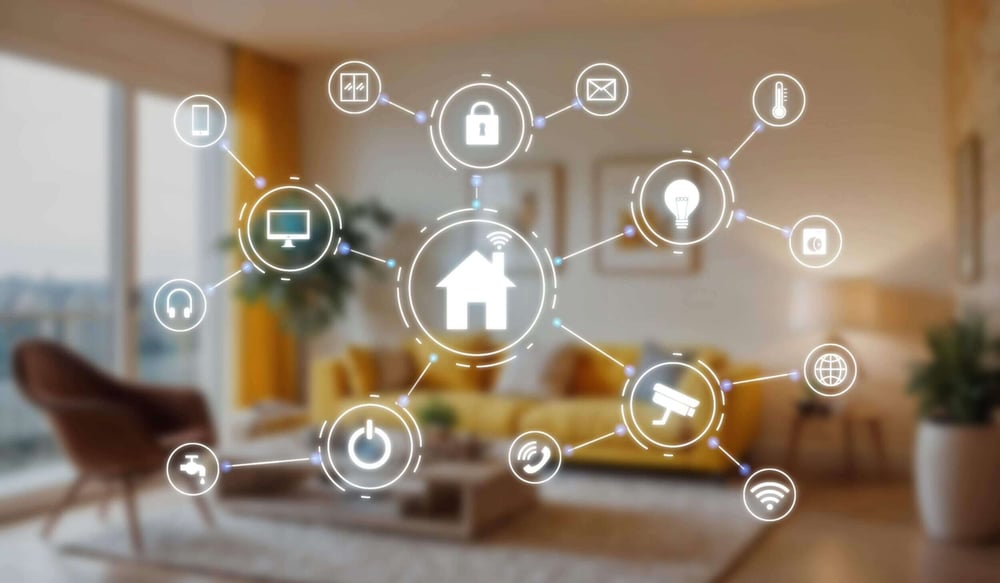
Today’s smart home platforms offer a range of devices that work together to deliver real-time insights. Here are some of the most valuable components:
- Air Quality Monitors: Devices like the Awair Element or Airthings Wave track pollutants, humidity, and temperature, sending alerts to your phone.
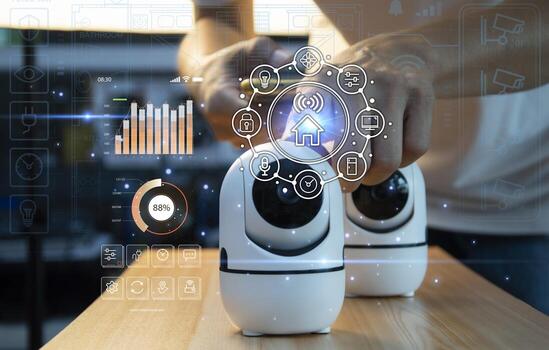
- Smart Security Systems: These combine cameras, door/window sensors, and alarms. They can be managed remotely and often include environmental sensors for smoke, CO, and flooding.
- Energy Monitors: Tools such as the Emporia Energy Monitor help you track electricity usage, identify waste, and prevent electrical faults.
- Leak Detectors: Placed near water heaters or under sinks, these sensors notify you of leaks before major damage occurs.
Integrating these devices provides a holistic view of your home’s safety and comfort. For a deeper look at protecting your electrical systems, visit the guide on energy system protection at home.
How Monitoring Improves Safety and Security
Beyond health, indoor environment monitoring plays a crucial role in home security. Smart sensors can detect unusual activity, such as unexpected motion or open doors and windows, and send instant alerts to your phone. Many systems also integrate with professional monitoring services for emergency response.
For example, combining environmental sensors with security cameras creates a robust defense against both environmental and human threats. If smoke, carbon monoxide, or flooding is detected, you can receive notifications wherever you are. This rapid response capability can save lives and prevent costly damage.
To learn more about how technology is shaping the future of home protection, check out the article on future of home protection technology.
Choosing the Right Monitoring Devices for Your Home
With so many products on the market, selecting the best options for your needs can be challenging. Here are a few tips:
- Identify your main concerns: air quality, security, energy use, or all of the above.
- Look for devices that integrate with your existing smart home platform (such as Alexa, Google Home, or Apple HomeKit).
- Consider ease of installation and maintenance. Many sensors are wireless and battery-powered for simple setup.
- Check for features like mobile alerts, data logging, and compatibility with automation routines.
For those dealing with specific risks like rodents, smart detection systems can provide early warnings. See the guide on rodent detection for homes for more information.
Best Practices for Maintaining a Healthy Indoor Environment
Once you’ve set up your monitoring system, regular maintenance and smart habits will help you get the most out of your investment:
- Check and replace batteries in wireless sensors as recommended.
- Review data logs to spot trends in air quality or energy use.
- Schedule reminders for filter changes in air purifiers and HVAC systems.
- Test alarms and notifications to ensure they’re working correctly.
- Combine monitoring with practical steps like regular cleaning, proper ventilation, and safe storage of chemicals.
For additional proactive strategies, see these proactive home security tips that complement your monitoring setup.
Integrating Monitoring with Other Smart Home Technologies
One of the advantages of modern indoor environment monitoring is the ability to connect with other smart devices. For example, if your air quality sensor detects elevated CO2, it can trigger your smart thermostat to increase ventilation. Security systems can automatically record video when motion is detected or send alerts to your phone and smart speakers.
Automation routines can also enhance safety. For instance, if a water leak is detected, your system can shut off the main water valve. If carbon monoxide is sensed, smart lights can flash to alert everyone in the house. For more on specialized monitoring, see the article on carbon monoxide monitoring systems.
Frequently Asked Questions
What are the most important factors to monitor indoors?
The most critical elements include air quality (such as particulate matter and VOCs), humidity, temperature, and security threats like unauthorized entry or smoke. Monitoring these factors helps prevent health issues and property damage.
Can I install monitoring devices myself, or do I need a professional?
Many modern sensors and smart home devices are designed for easy DIY installation. Wireless options are especially user-friendly. However, for complex integrations or whole-home systems, consulting a professional may be beneficial.
How often should I check or maintain my monitoring devices?
It’s best to check batteries and test sensors monthly. Review your system’s data regularly and follow manufacturer guidelines for maintenance, such as replacing filters or updating firmware.
Are these systems compatible with older homes?
Most smart sensors and monitoring devices are compatible with any home, regardless of age. Wireless and battery-powered models are particularly suitable for retrofit installations.
Conclusion
Staying informed about your home’s environment is one of the best ways to protect your family’s health and safety. With the right combination of sensors, smart devices, and proactive habits, you can address hidden risks and enjoy greater peace of mind. As technology continues to evolve, integrating indoor environment monitoring into your daily life will only become more accessible and effective.