
Keeping your household running smoothly depends on the reliability of your appliances. Unexpected breakdowns can disrupt daily routines, lead to costly repairs, and even pose safety risks. Fortunately, with the right approach to home appliance failure prevention, you can extend the lifespan of your devices and avoid many common issues. This article provides practical maintenance strategies, highlights the importance of proactive care, and offers expert-backed tips to help you protect your investment in home technology.
Modern homes increasingly rely on smart devices and interconnected systems. As technology evolves, so does the need for effective maintenance routines. By adopting a proactive mindset and leveraging the latest tools, you can ensure your appliances remain efficient and dependable. For those interested in automating upkeep, check out home maintenance automation tools for effortless upkeep and smarter management of household systems.
Why Proactive Maintenance Matters
Many homeowners only address appliance problems when something goes wrong. However, waiting for a failure often results in higher repair costs and more significant inconvenience. Proactive maintenance is the foundation of home appliance failure prevention. By identifying issues early and performing regular upkeep, you can:
- Reduce the risk of sudden breakdowns
- Improve energy efficiency and lower utility bills
- Extend the lifespan of your appliances
- Maintain manufacturer warranties
- Enhance the safety of your home
Implementing a regular maintenance schedule is a small investment of time that pays off in reliability and peace of mind.
Essential Maintenance Tips for Major Appliances
Each appliance in your home has unique care requirements. The following tips cover the most common household devices and offer actionable steps for preventing failures.
Refrigerators and Freezers
- Clean condenser coils every 6–12 months to prevent overheating and ensure efficient cooling.
- Check and replace door seals if they’re cracked or loose to avoid energy loss.
- Keep the interior organized and avoid overloading to maintain proper airflow.
- Defrost manual units regularly to prevent ice buildup.
Washing Machines and Dryers
- Inspect hoses for leaks or cracks and replace them every 3–5 years.
- Clean the lint filter after every use and periodically check the vent for blockages.
- Level the machine to prevent excessive vibration and wear.
- Run a cleaning cycle with vinegar or a washing machine cleaner monthly.
Dishwashers
- Clear the filter and spray arms of debris every few weeks.
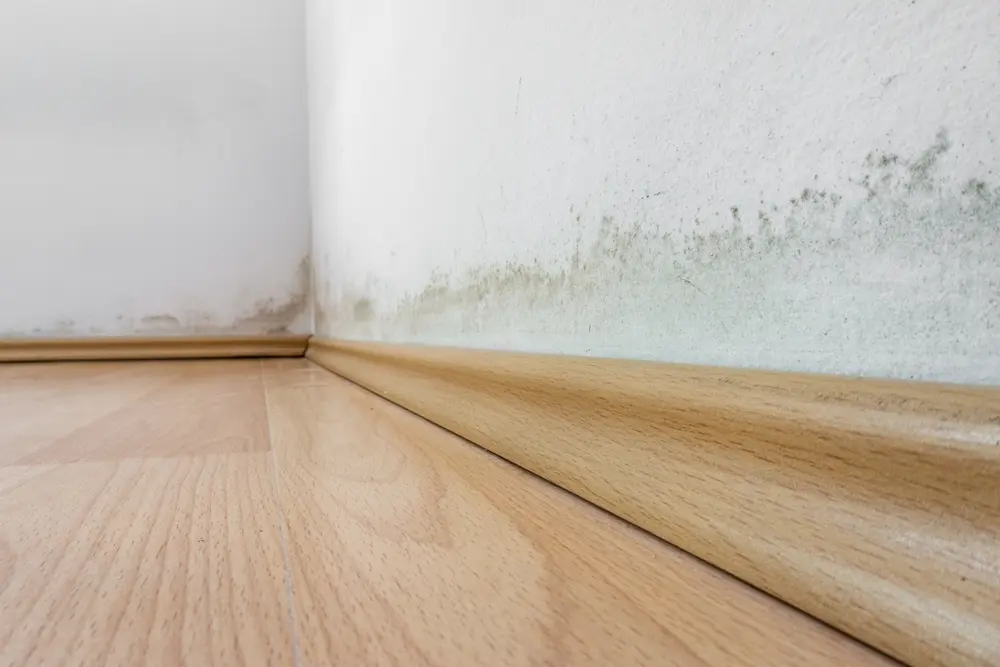
- Wipe the door gasket to prevent mold and mildew.
- Use dishwasher cleaner to remove mineral buildup and odors.
- Check for leaks around the door and under the unit.
Ovens and Ranges
- Clean spills promptly to prevent baked-on residue and smoke.
- Check burner elements for signs of wear or damage.
- Inspect the oven door seal for cracks or gaps.
- Test the temperature accuracy with an oven thermometer.
HVAC Systems
- Replace air filters every 1–3 months to maintain airflow and air quality.
- Schedule annual professional inspections and tune-ups.
- Keep outdoor units clear of debris and vegetation.
- Check for unusual noises or odors, which may signal a problem.

Smart Solutions for Appliance Monitoring
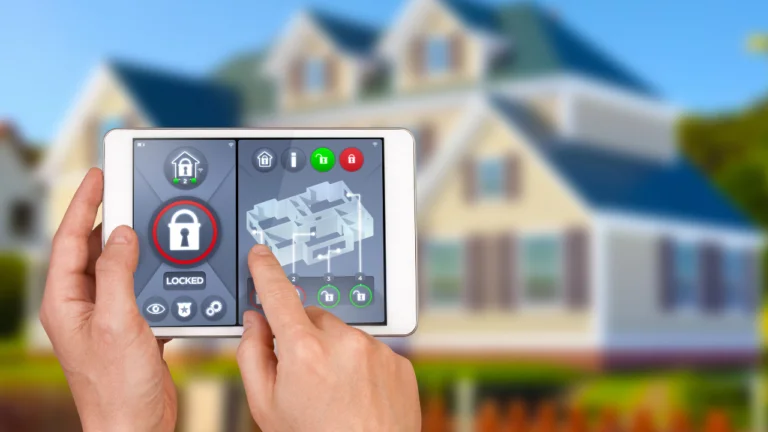
Technology offers new ways to support home appliance failure prevention. Smart sensors, energy monitors, and connected devices can alert you to potential problems before they become serious. For example, energy monitors track power usage and can signal when an appliance is working harder than usual—a possible sign of wear or malfunction.
Integrating smart home systems also enables remote monitoring and control, making it easier to stay on top of maintenance tasks. For those interested in advanced protection, explore next-generation home security systems and how they can complement your appliance care strategy.
Common Warning Signs and When to Act
Even with diligent maintenance, appliances may develop issues over time. Recognizing early warning signs is key to preventing major failures. Watch for:
- Unusual noises, vibrations, or odors
- Increased energy consumption
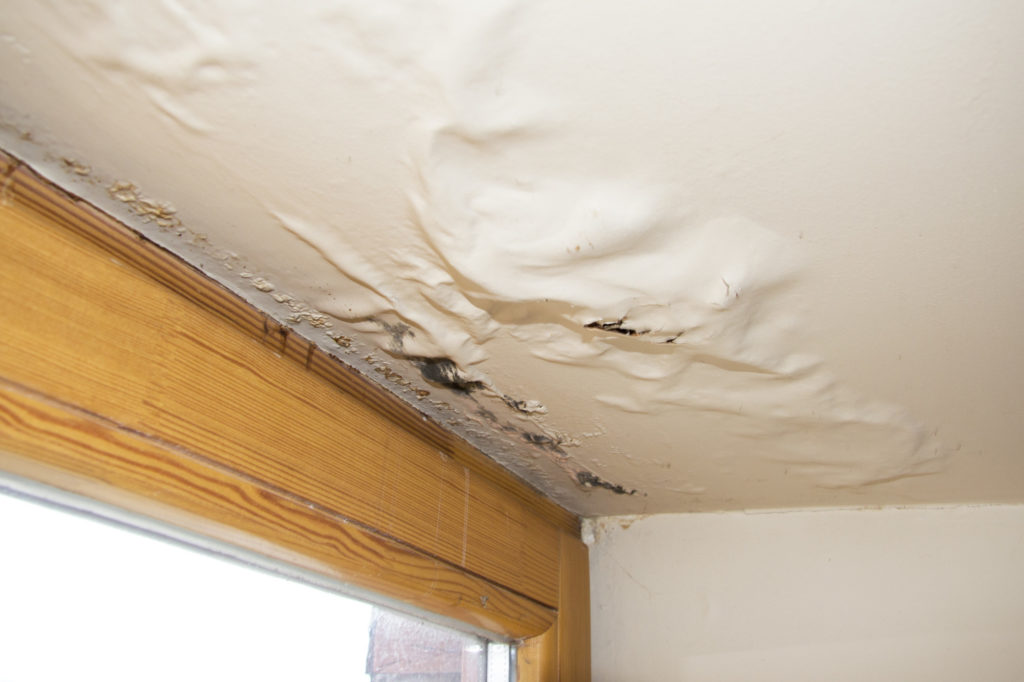
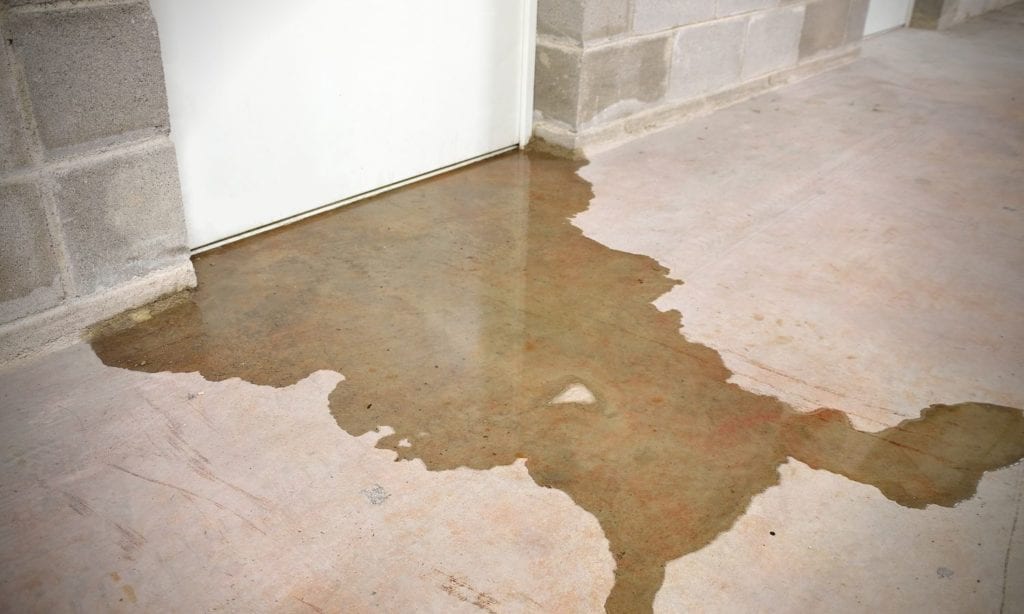
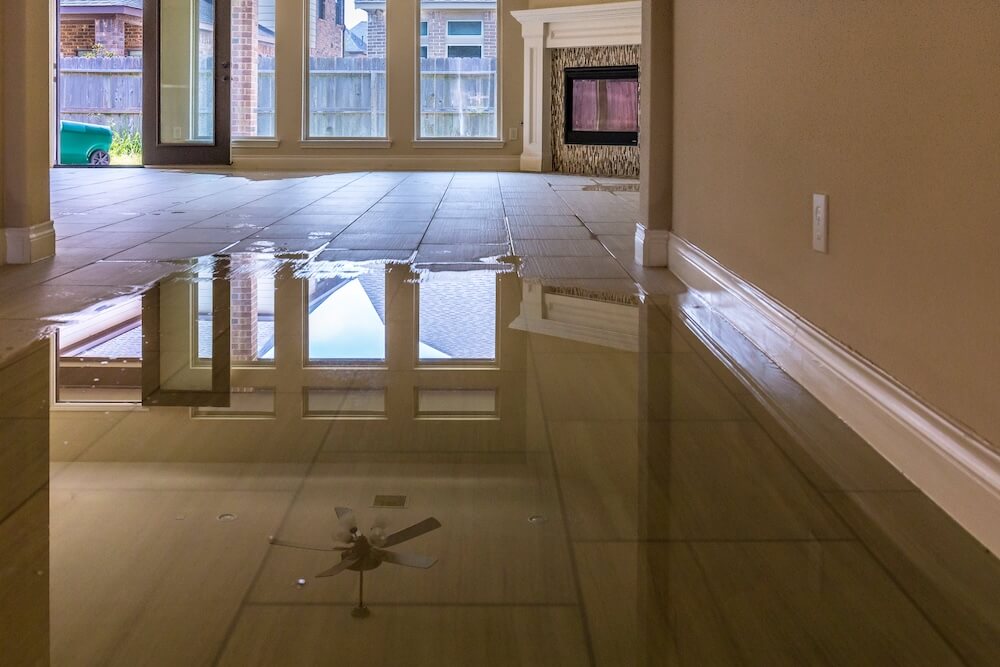
- Water leaks or pooling
- Frequent tripped breakers or blown fuses
- Inconsistent performance or incomplete cycles
If you notice any of these symptoms, address them promptly. Sometimes a simple fix, like tightening a hose or cleaning a filter, can resolve the issue. For more complex problems, consult a qualified technician to avoid further damage.
Building a Preventive Maintenance Routine
Consistency is crucial for effective home appliance failure prevention. Establishing a routine ensures that no task is overlooked and that appliances receive the care they need. Here’s how to get started:
- Create a maintenance calendar: List all major appliances and schedule tasks based on manufacturer recommendations.
- Keep records: Track service dates, repairs, and part replacements for each device.
- Use reminders: Set digital alerts or use a home maintenance app to stay on schedule.
- Educate household members: Share basic maintenance tips with everyone in your home to encourage shared responsibility.
For a more automated approach, consider integrating proactive property management systems that can help monitor and manage home maintenance tasks efficiently.
Insurance, Warranties, and Risk Management
Even with the best maintenance, unexpected failures can still occur. Protecting yourself with the right insurance and understanding your warranties is essential. Review your homeowner’s policy to ensure it covers appliance-related damage. For a comprehensive approach to risk, see this proactive home protection and personal risk management guide for practical advice on safeguarding your property.
Register new appliances with the manufacturer to activate warranties and receive updates on recalls or service bulletins. Keep all documentation in a safe place for easy access if you need to file a claim or request service.
FAQ: Appliance Care and Failure Prevention
How often should I perform maintenance on my appliances?
Most appliances benefit from basic upkeep every 1–3 months, with deeper cleaning or inspections every 6–12 months. Always refer to the manufacturer’s guidelines for specific intervals.
What are the most common causes of appliance failure?
Neglected maintenance, clogged filters, worn-out parts, and electrical issues are leading causes. Regular inspections and cleaning can prevent many of these problems.
Can smart home devices help with appliance maintenance?
Yes, smart sensors and energy monitors can alert you to abnormal operation, leaks, or excessive energy use, allowing you to address issues before they escalate. For more on this, explore the future of home protection technology and how it’s shaping preventive care.
Is it worth investing in professional appliance inspections?
Annual professional inspections can catch hidden issues and ensure your appliances are operating safely and efficiently. This is especially important for HVAC systems and major kitchen appliances.
Conclusion
Preventing appliance failures is about more than avoiding inconvenience—it’s about protecting your home, saving money, and ensuring safety. By following a regular maintenance routine, leveraging smart technology, and staying informed about risk management, you can keep your household running smoothly for years to come. For additional tips on maintaining a healthy and safe living environment, consider learning about home hygiene protection systems to complement your appliance care strategy.