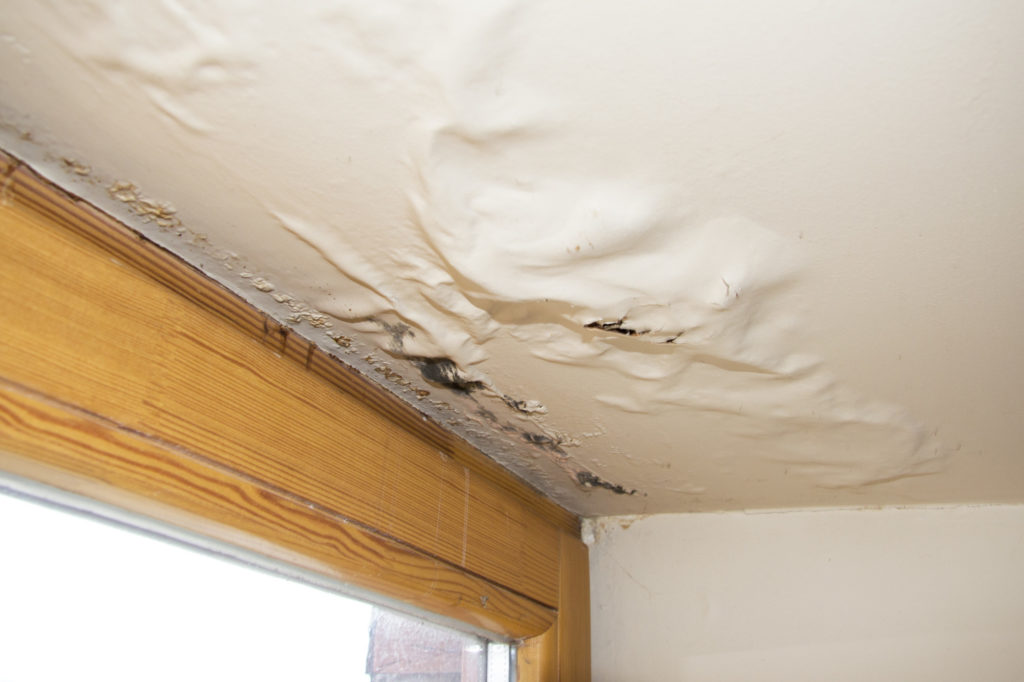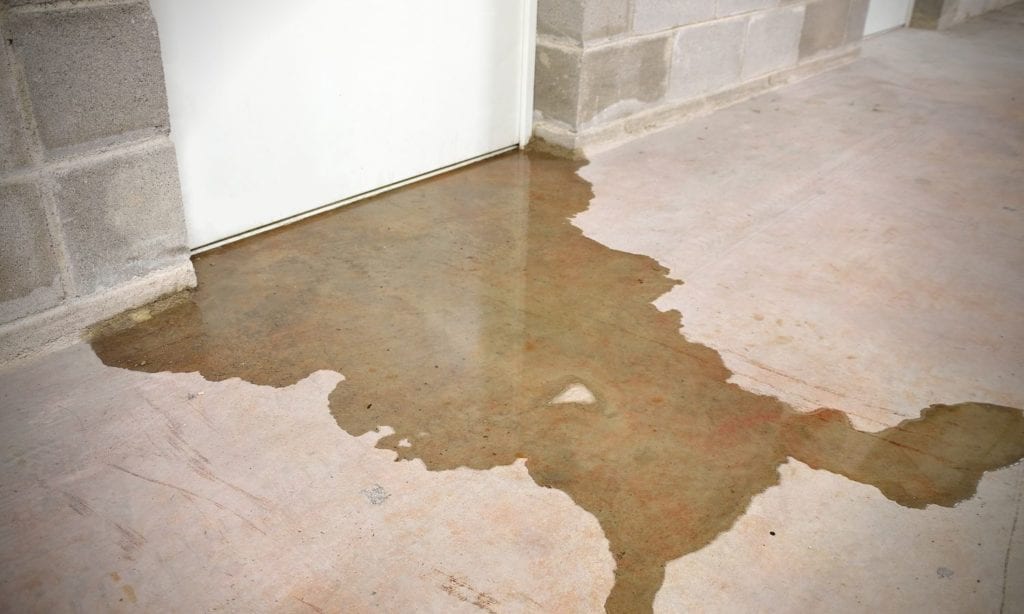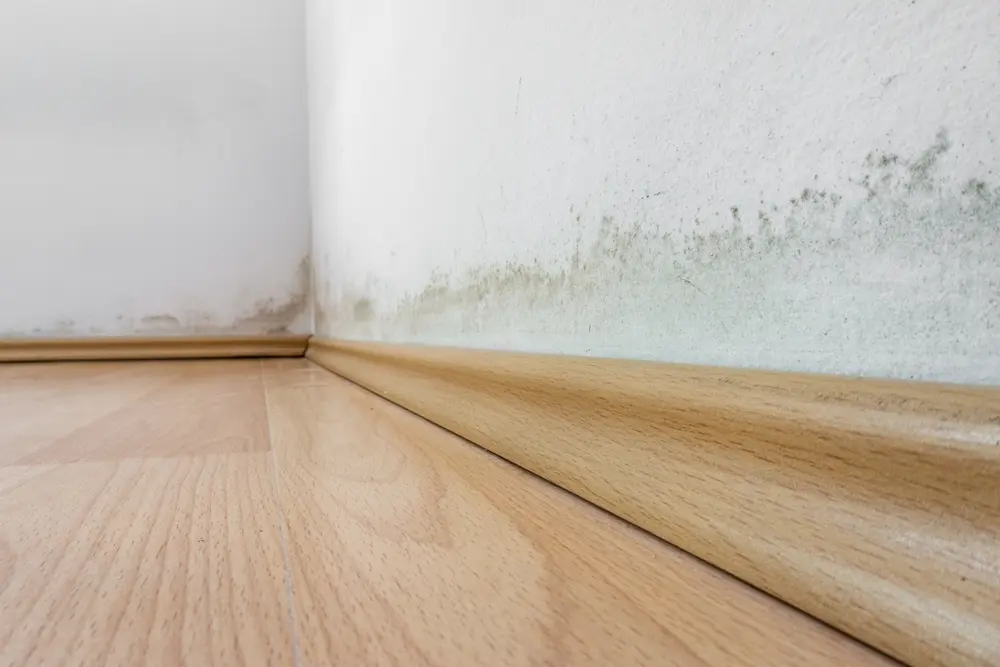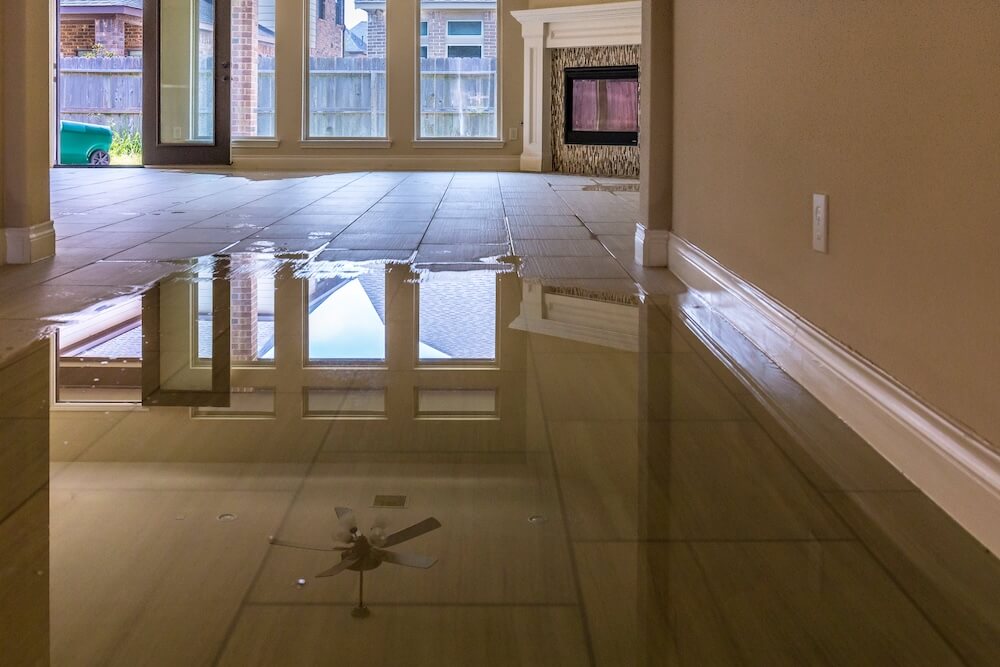
A water leak can turn a peaceful home into a costly disaster in a matter of minutes. From hidden drips behind walls to burst pipes during winter, undetected leaks threaten not only your property but also your peace of mind. Fortunately, today’s pipe leak monitoring solutions offer homeowners advanced tools to detect and prevent water damage before it spirals out of control. In this guide, you’ll learn how these technologies work, what features to look for, and how to integrate them into your home’s broader safety strategy.
As smart homes become more common, integrating leak detection with other systems is easier than ever. Proactive measures not only protect your investment but also help you avoid the stress and expense of repairs. For those interested in broader trends shaping home safety, the future of home protection technology continues to evolve, making it possible to safeguard every aspect of your living space.
Understanding Modern Water Leak Detection Systems
Pipe leak monitoring solutions have evolved far beyond simple moisture alarms. Today’s systems use a combination of sensors, wireless connectivity, and smart analytics to provide real-time alerts and even automate shut-off valves. These innovations help homeowners respond quickly to leaks, minimizing potential damage and insurance claims.
There are several types of leak detectors available:
- Point-of-Contact Sensors: Placed in areas prone to leaks (under sinks, near water heaters, behind appliances), these devices trigger alerts when they sense moisture.
- Flow-Based Monitors: Installed on the main water line, these systems track water usage patterns and detect anomalies that may indicate a leak or burst pipe.
- Smart Shut-Off Valves: These can automatically turn off your water supply when a leak is detected, preventing large-scale flooding.
Choosing the right combination depends on your home’s layout, risk factors, and budget.
Key Features to Look for in Leak Detection Devices
When evaluating pipe leak monitoring solutions, it’s important to consider features that enhance both reliability and convenience. Here are some essential attributes:
- Wireless Connectivity: Wi-Fi or Zigbee-enabled sensors can send instant notifications to your smartphone, wherever you are.
- Integration with Smart Home Systems: Look for compatibility with platforms like Alexa, Google Home, or Apple HomeKit for seamless automation.
- Battery Backup: Devices with battery power continue working during outages, ensuring uninterrupted protection.
- Mobile Alerts and Remote Monitoring: Real-time updates allow you to act quickly, even when you’re away from home.
- Automatic Shut-Off: Systems that can close your main water valve remotely or automatically are especially valuable for minimizing damage.
Some advanced systems also provide analytics, helping you spot slow leaks or excessive usage that could signal hidden problems.

Installation and Placement Tips for Maximum Effectiveness
Proper installation is essential for any leak detection system to work effectively. Here are some practical tips:
- Place sensors in high-risk areas: under sinks, behind toilets, near washing machines, water heaters, and dishwashers.
- Install flow-based monitors on your main water supply line for whole-home coverage.
- Test each sensor after installation to ensure alerts are triggered as expected.
- Regularly check battery levels and replace as needed to avoid gaps in protection.
- Consider professional installation for whole-home or integrated systems, especially if plumbing modifications are required.
If you’re already using next-generation home security systems, integrating leak detection can be straightforward, allowing you to manage all alerts from a single dashboard.
Benefits of Smart Leak Detection for Homeowners
Investing in pipe leak monitoring solutions offers several advantages:
- Early Warning: Immediate alerts help you stop leaks before they escalate into major water damage.
- Lower Insurance Premiums: Many insurers offer discounts for homes equipped with active leak detection and shut-off systems.
- Peace of Mind: Remote monitoring means you can travel or leave home without worrying about hidden leaks.
- Reduced Repair Costs: Addressing leaks early prevents structural damage, mold growth, and expensive restoration work.
- Water Conservation: Detecting slow leaks helps you save water and reduce utility bills.
For those interested in comprehensive home care, combining leak detection with home maintenance automation tools can further simplify upkeep and prevent issues before they arise.

Integrating Leak Detection with Broader Home Protection
Water leak monitoring is just one aspect of a comprehensive home protection strategy. Many modern systems can be linked with other smart devices, such as security cameras, smoke detectors, and environmental sensors. This integration allows for unified control and more effective automation.
For example, if a leak is detected, your system could automatically shut off the water, alert you via mobile notification, and even trigger a camera to record the affected area. This level of coordination is especially useful for frequent travelers or those managing multiple properties.
To further enhance your home’s safety, consider exploring proactive property management systems that help you monitor, maintain, and secure your living environment from a single interface.
Proactive Steps to Prevent Water Damage
While technology plays a key role, there are additional steps homeowners can take to minimize the risk of leaks:
- Inspect pipes and connections regularly for signs of corrosion, rust, or wear.
- Insulate exposed pipes to prevent freezing and bursting during cold weather.
- Replace old washing machine hoses and water heater tanks before they fail.
- Know where your main water shut-off valve is located and ensure it’s accessible.
- Educate household members on what to do in the event of a leak or flood.
For more ideas on staying ahead of potential hazards, review these proactive home security tips to complement your leak detection strategy.
FAQ: Pipe Leak Monitoring and Home Protection
How do water leak detectors work?
Most leak detectors use moisture sensors to identify the presence of water where it shouldn’t be. When triggered, they send alerts to your phone or smart home hub. Some advanced models also monitor water flow and can automatically shut off the supply if a problem is detected.
Where should I install leak sensors for best results?
Install sensors in areas most vulnerable to leaks, such as under sinks, behind toilets, near water heaters, and by washing machines or dishwashers. For full-home coverage, consider a flow-based monitor on your main water line.
Can leak monitoring systems be integrated with other smart home devices?
Yes, many modern systems are designed to work with popular smart home platforms. This allows you to automate responses—such as shutting off water, sending notifications, or activating cameras—when a leak is detected.
Are there ongoing costs with these systems?
Some systems require a subscription for advanced features like cloud monitoring or analytics, while others operate with a one-time purchase. Always check the manufacturer’s details before buying.
What should I do if my leak detector sends an alert?
Immediately investigate the source of the alert. If a leak is confirmed, shut off your main water supply and address the issue. If you’re away, contact a neighbor or property manager to check your home.
By combining smart leak detection with regular maintenance and broader home automation, you can significantly reduce the risk of water damage and enjoy greater peace of mind. For those interested in keeping their living space healthy as well as dry, consider learning more about home hygiene protection systems for a holistic approach to home care.