Modern living demands a smarter, more connected approach to keeping your home secure. Integrated home safety platforms bring together alarms, cameras, sensors, and automation tools into a single, unified system. This not only streamlines your daily routines but also provides peace of mind by enabling real-time monitoring and control from anywhere.
Whether you’re looking to upgrade your current setup or planning a new smart home, understanding how these platforms work—and how they can benefit your household—is essential. We’ll explore the core features, device compatibility, and practical benefits, as well as how to choose and implement the right solution for your needs.
For those interested in the latest advancements, you may also want to explore next-generation home security systems that offer even more robust features and future-proof technology.
What Are Integrated Home Safety Platforms?
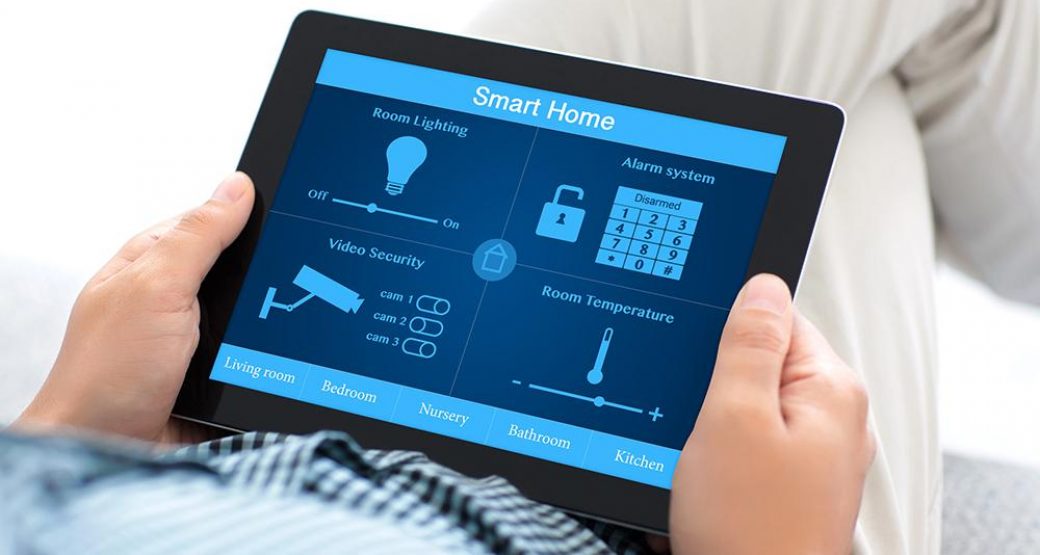
At their core, these platforms serve as the central nervous system for your home’s security and automation devices. Instead of managing separate apps or interfaces for each device, you gain a single dashboard—often accessible via smartphone or web browser—that brings together:
- Security alarms and motion detectors
- Video doorbells and surveillance cameras
- Smart locks and entry sensors
- Smoke, carbon monoxide, and water leak detectors
- Lighting, thermostats, and other automation tools
By integrating these elements, you can automate responses (like turning on lights when motion is detected), receive instant alerts, and monitor your property in real time. This level of connectivity is a significant step up from traditional, isolated security systems.
Key Benefits of Unified Home Security Solutions
Choosing a comprehensive platform for home safety offers several practical advantages:
- Centralized Control: Manage all devices from one app or hub, reducing complexity and saving time.
- Enhanced Automation: Set up routines and triggers—such as locking doors and arming alarms when you leave the house.
- Real-Time Alerts: Receive instant notifications for events like door openings, smoke detection, or unexpected movement.
- Remote Access: Check camera feeds, adjust settings, or respond to alerts from anywhere with an internet connection.
- Improved Safety: Faster response times and better situational awareness help protect your family and property.
For a deeper dive into how technology is shaping the future of home protection, see the article on future of home protection technology.
How Device Compatibility Shapes Your Smart Home
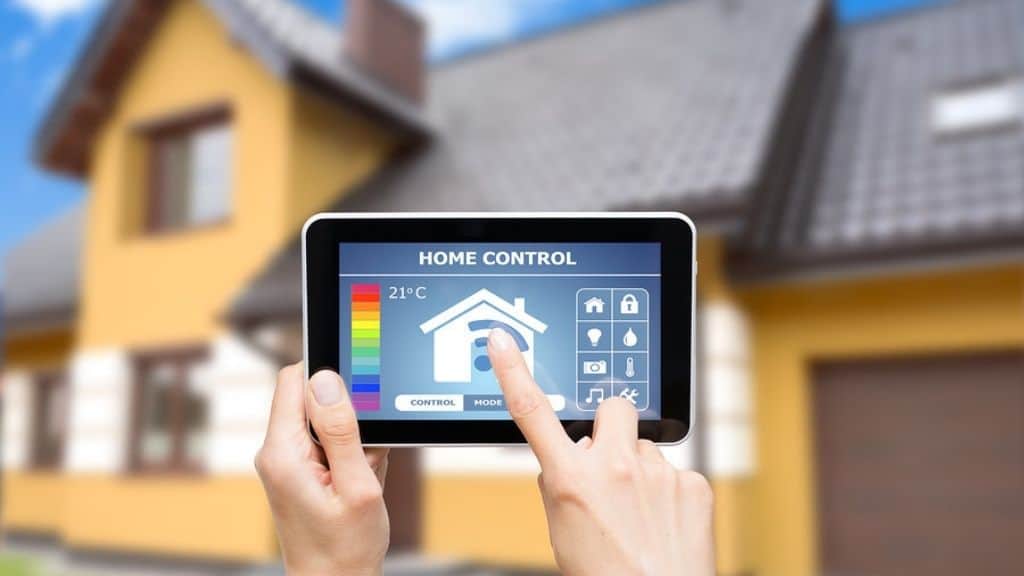
One of the major strengths of integrated home safety platforms is their ability to work with a wide range of devices and brands. However, not all systems are equally flexible. When evaluating options, consider:
- Supported Protocols: Look for compatibility with standards like Z-Wave, Zigbee, Wi-Fi, and Bluetooth.
- Third-Party Integrations: Some platforms support popular devices from brands like Ring, Nest, Yale, and Philips Hue.
- Voice Assistant Support: Integration with Alexa, Google Assistant, or Siri can add hands-free convenience.
- Expandable Ecosystem: Choose a solution that allows you to add new devices as your needs evolve.
For homeowners interested in automating more than just security, platforms that support home maintenance automation tools can further streamline daily chores and upkeep.
Setting Up an Integrated Home Safety System
Getting started with a unified platform doesn’t have to be complicated. Here are the typical steps:
- Assess Your Needs: Identify which areas of your home require monitoring and what types of devices you want to include.
- Choose a Platform: Research systems that offer the features, compatibility, and scalability you need.
- Install Devices: Place cameras, sensors, and alarms in key locations. Many modern devices are wireless and easy to set up.
- Connect and Configure: Use the platform’s app or web portal to link devices, set up automation rules, and customize alerts.
- Test and Optimize: Regularly check that all components are working as intended and adjust settings for optimal performance.
For first-time homeowners, this comprehensive guide to home security offers additional tips for choosing and installing the right system.
Essential Features to Look For
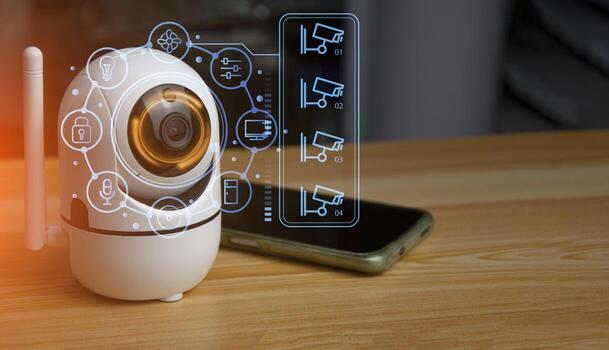
To get the most from your investment, prioritize platforms that offer:
- User-Friendly Interface: Intuitive controls and clear notifications make management easy for everyone in the household.
- Robust Security: End-to-end encryption, secure cloud storage, and regular software updates protect your data and privacy.
- Customizable Automation: The ability to create complex routines, such as arming the system at night or adjusting lights based on occupancy.
- Reliable Support: Access to customer service and a helpful knowledge base can be invaluable, especially during setup.
Some platforms also integrate with home hygiene protection systems, helping you maintain a healthy living environment alongside security.
Common Challenges and How to Overcome Them
While the advantages are clear, there are a few hurdles to keep in mind:
- Device Compatibility: Not all brands work seamlessly together. Always check compatibility lists before purchasing new devices.
- Wi-Fi Reliability: A strong, stable network is crucial for real-time alerts and video streaming. Consider upgrading your router or adding mesh nodes if needed.
- Privacy Concerns: Choose platforms with transparent privacy policies and robust security measures to protect your personal data.
- Initial Setup: While many systems are DIY-friendly, some may require professional installation, especially for hardwired devices.
For property owners managing multiple homes or rental units, proactive property management systems can further simplify oversight and maintenance.
FAQ
Can I Add New Devices to My Existing Platform?
Most modern systems are designed to be expandable. As long as the new device is compatible with your platform’s protocols (such as Z-Wave, Zigbee, or Wi-Fi), you can usually add it through the app or hub interface. Always check the manufacturer’s compatibility list before purchasing.
Are These Platforms Secure from Hackers?
Security is a top priority for reputable providers. Look for platforms that offer end-to-end encryption, two-factor authentication, and regular firmware updates. Protect your home network with strong passwords and consider setting up a separate Wi-Fi network for smart devices.
Do I Need a Subscription for Full Functionality?
Some features, like cloud video storage or advanced automation, may require a monthly or annual subscription. However, many basic functions—such as real-time alerts and local device control—are available without ongoing fees. Review each platform’s pricing structure before making a decision.
Conclusion
Bringing together all your safety and automation devices through a single, integrated platform offers convenience, security, and peace of mind. By choosing a solution that fits your needs and supports a wide range of devices, you can future-proof your home and enjoy a smarter, safer living environment. As technology continues to evolve, these unified systems will play an increasingly important role in how we protect and manage our homes.