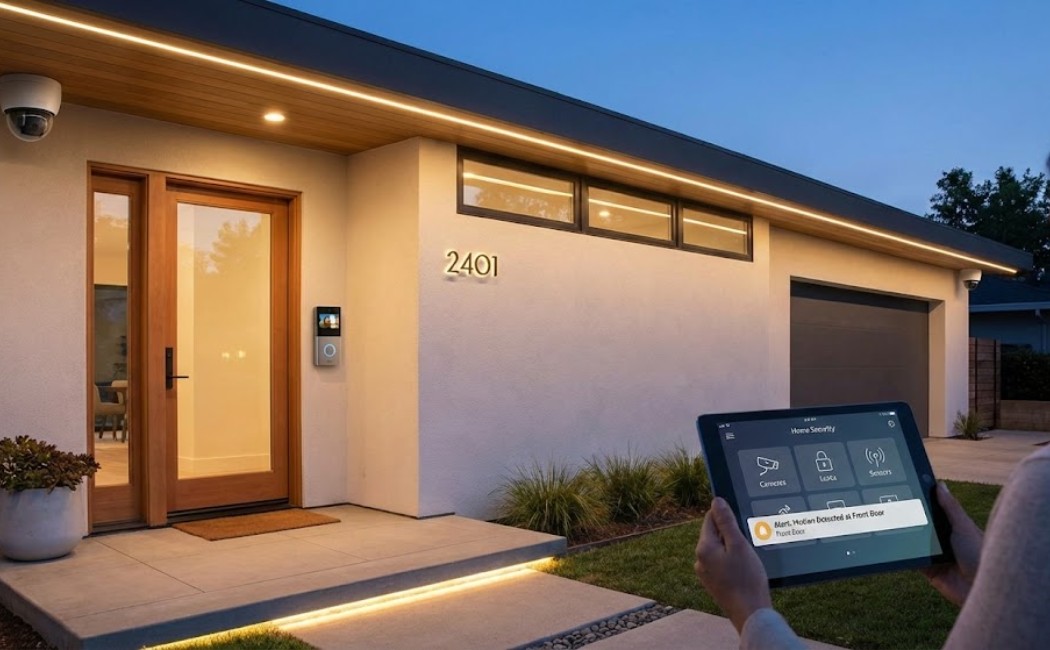
Ensuring safety at home has become a top priority for many families and individuals. With the rise in smart technology, panic alert systems for homes offer a reliable way to summon help instantly during emergencies. Whether you live alone, care for elderly relatives, or want added peace of mind, these solutions provide a direct link to assistance when it matters most.
Modern home protection is about more than just locks and alarms. Today’s systems integrate advanced sensors, wireless connectivity, and user-friendly controls to deliver rapid emergency response. If you’re considering upgrading your security, understanding the features and benefits of these systems is essential.
For those interested in exploring the latest advancements, our resource on next-generation home security systems highlights key features shaping the future of residential safety.
How Panic Alert Solutions Work in Residential Settings
At their core, panic alert systems for homes are designed to provide immediate access to help during critical situations. These systems typically include:
- Wearable or wall-mounted panic buttons that can be pressed discreetly
- Wireless connectivity to communicate with monitoring centers or designated contacts
- Mobile app integration for remote activation and status updates
- Two-way communication options for direct dialogue with responders
When activated, the system sends an alert to a monitoring service, emergency contacts, or local authorities, depending on the setup. Some solutions also trigger audible alarms or visual notifications to deter intruders and alert others nearby.
Key Features to Look for in Home Emergency Alert Systems
Choosing the right protection for your household involves considering several important features. Here’s what to prioritize:
- 24/7 Monitoring: Professional monitoring ensures that alerts are responded to at any hour.
- Multiple Alert Methods: The best systems can notify emergency services, family, and neighbors simultaneously.
- Easy Activation: Large, accessible buttons or voice-activated options are crucial for seniors or those with mobility challenges.
- Backup Power: Battery or cellular backup keeps the system operational during outages.
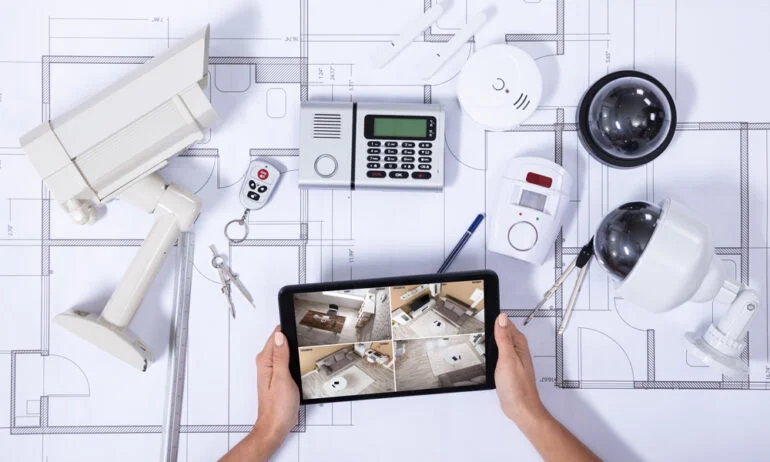
- Integration with Other Smart Devices: Compatibility with cameras, door locks, and sensors enhances overall security.
Some advanced systems even allow for automation, such as unlocking doors for first responders or turning on lights to aid visibility during emergencies.
Benefits of Installing Panic Alert Technology at Home
Adding a rapid response system to your residence brings several advantages:
- Peace of Mind: Knowing help is just a button press away reduces anxiety for residents and their loved ones.
- Faster Emergency Response: Direct alerts can shave precious minutes off response times, which is critical in medical or security incidents.
- Support for Vulnerable Individuals: Seniors, people with disabilities, or those recovering from illness benefit from accessible emergency contact options.
- Deterrence: Visible panic buttons and alarm features can discourage would-be intruders.
- Customizable Alerts: Many systems allow you to tailor who gets notified and how, ensuring the right people are informed immediately.
For those seeking a proactive approach, integrating these solutions with proactive property management systems can further enhance your home’s resilience against threats and emergencies.
Comparing Traditional and Smart Home Panic Alert Options
There are two main categories of home emergency alert systems: traditional and smart. Here’s how they differ:
| Feature | Traditional Systems | Smart Systems |
|---|---|---|
| Activation | Wired wall buttons, basic remote controls | Wireless, mobile app, voice, wearables |
| Connectivity | Landline or basic wireless | Wi-Fi, cellular, cloud integration |
| Notifications | Limited to monitoring center | Multiple contacts, push notifications, SMS |
| Integration | Standalone | Works with cameras, sensors, automation |
| Setup | Professional installation | DIY or professional |
Smart solutions offer greater flexibility, remote access, and integration with other home automation devices, making them a popular choice for modern households.
Integrating Panic Alert Systems with Broader Home Security
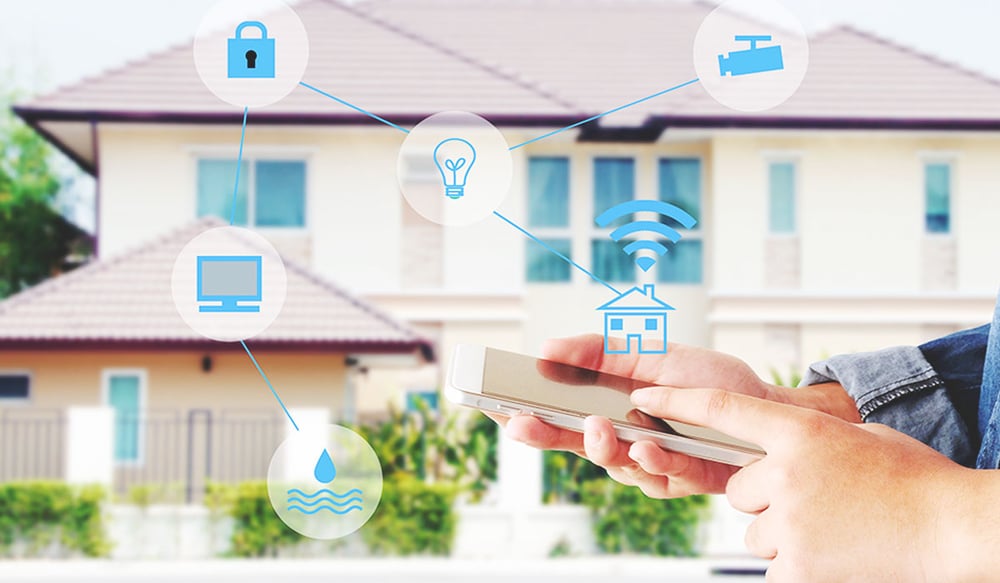
For optimal protection, it’s wise to connect your emergency alert solution with other smart security devices. This might include:
- Video doorbells and surveillance cameras
- Smart locks for secure, remote-controlled entry
- Environmental sensors for smoke, carbon monoxide, or flooding
- Automated lighting to deter intruders and aid emergency responders
Combining these elements creates a comprehensive safety net, making your home more resilient to a range of threats. For a deeper dive into what’s next in home protection, see our article on the future of home protection technology.
Choosing the Right Panic Alert Solution for Your Needs
When selecting a system, consider the following steps:
- Assess your household’s specific risks (medical, security, environmental).
- Determine who needs access to panic buttons and how they’ll be used.
- Compare monitoring options (professional vs. self-monitored).
- Check compatibility with existing smart home devices.
- Read reviews and request demonstrations if possible.
It’s also helpful to consult resources like the ultimate guide to proactive home protection for best practices and tips on prevention.
For ongoing maintenance and hygiene, integrating with home hygiene protection systems and home maintenance automation tools can further streamline your household’s safety and upkeep.
FAQ
What types of emergencies can panic alert systems handle?
These solutions are designed for a range of situations, including medical incidents, break-ins, fires, and other urgent events. Many systems allow you to customize alerts for specific scenarios, ensuring the right response every time.
Are panic alert devices suitable for seniors living alone?
Yes, they are especially beneficial for elderly individuals or those with mobility challenges. Wearable pendants, voice-activated buttons, and easy-to-reach wall units make it simple for anyone to call for help quickly.
Can panic alert systems be integrated with existing smart home technology?
Most modern solutions are compatible with popular smart home platforms, allowing you to connect them with cameras, locks, lights, and more. This integration enhances overall security and streamlines emergency response.
Do I need professional installation for a home panic alert system?
Some systems require professional setup, especially those with extensive wiring or monitoring. However, many wireless and smart options are designed for easy DIY installation, making them accessible for most homeowners.