Home safety is evolving rapidly, and early warning home systems are at the forefront of this transformation. These advanced solutions are designed to detect threats—such as fire, carbon monoxide, water leaks, break-ins, and even electrical faults—before they become emergencies. By providing real-time alerts, these systems empower homeowners to act quickly, minimizing damage and keeping families safe.
Modern home monitoring technology goes far beyond traditional alarms. With the integration of smart sensors, wireless connectivity, and intuitive mobile apps, it’s now possible to receive instant notifications about potential risks, no matter where you are. As the landscape of home protection shifts, understanding how these systems work and what features matter most can help you make informed choices for your property.
If you’re interested in how these innovations are shaping tomorrow’s homes, you may want to explore the future of home protection technology for a deeper look at emerging trends.
How Modern Home Alert Systems Work
At the core of every early warning home system is a network of interconnected sensors and devices. These components continuously monitor the environment for unusual activity or dangerous conditions. When an issue is detected, the system sends alerts via sirens, smartphone notifications, or even automated calls to emergency services.
Key technologies include:
- Motion detectors for detecting unauthorized entry
- Smoke and carbon monoxide sensors for fire and gas leaks
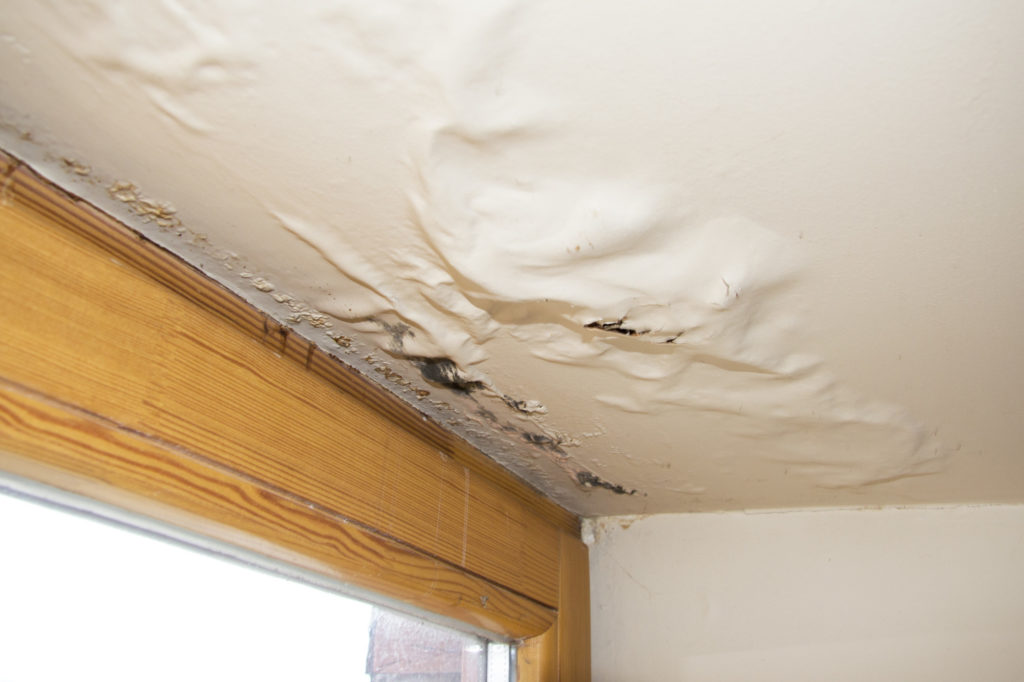
- Water leak detectors to prevent flooding
- Glass break sensors for windows and doors
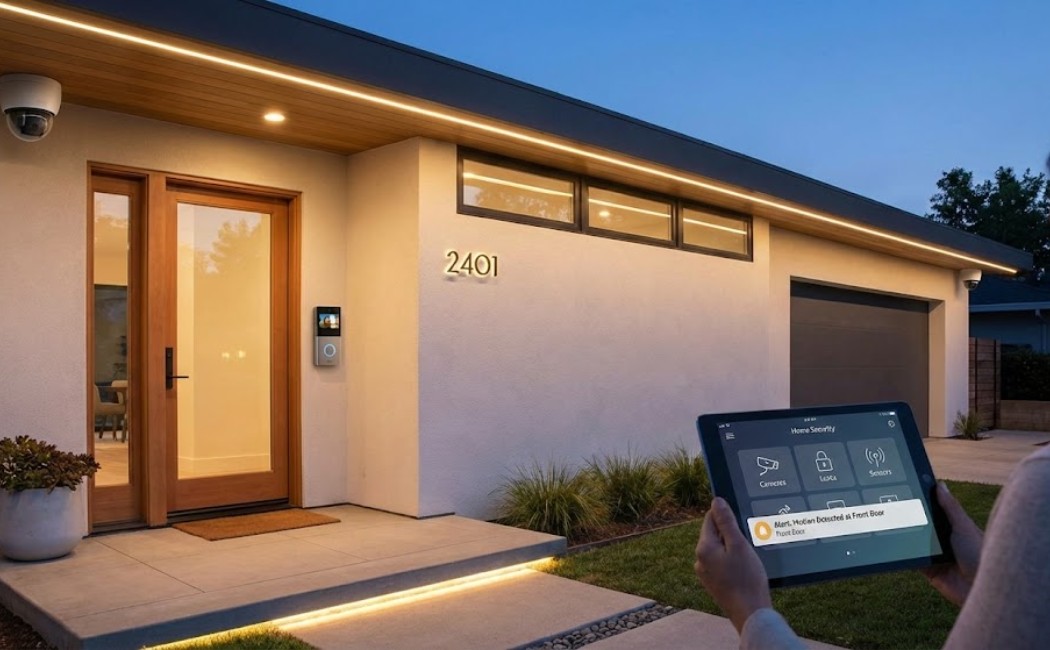
- Smart cameras with real-time video feeds
- Energy monitoring devices to spot electrical hazards
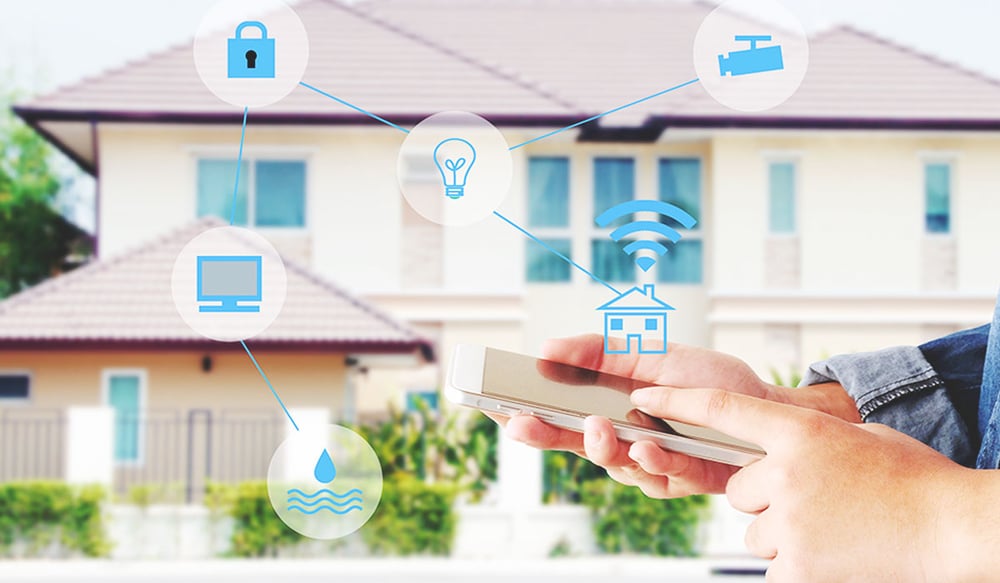
Most systems connect to a central hub that communicates with your smartphone or a monitoring service. This integration ensures you’re notified instantly, whether you’re at home or away.
Key Benefits of Proactive Home Monitoring
The main advantage of adopting proactive alert technology is the ability to respond quickly to threats. Here are some of the top benefits:
- Early detection of fire, gas leaks, or intrusions helps prevent disasters.
- Remote monitoring lets you check on your home from anywhere using your phone.
- Automated emergency response can contact authorities or shut off utilities automatically.
- Peace of mind knowing your property is under constant surveillance.
- Potential insurance discounts for enhanced protection measures.
By investing in these solutions, homeowners can avoid costly repairs, reduce risks, and create a safer living environment for everyone.
Types of Early Warning Devices for Homes
There’s a wide array of devices available for building a comprehensive warning system. Here’s a breakdown of the most common types:
- Intrusion Sensors: Door/window contacts, motion detectors, and glass break sensors alert you to unauthorized access.
- Environmental Monitors: Smoke, carbon monoxide, and natural gas detectors provide warnings about fire or toxic gases.
- Water Leak Detectors: Placed near appliances or in basements, these sensors notify you of leaks before major flooding occurs.
- Smart Cameras: Offer live video feeds, two-way audio, and AI-powered motion detection for enhanced security.
- Energy Monitors: Track electrical usage and can alert you to unusual patterns that may indicate faults or fire risks.
Combining these devices creates a layered approach, ensuring multiple threats are covered.

Choosing the Right System for Your Needs
Selecting the best solution depends on your property size, lifestyle, and specific risks. Consider these factors:
- Coverage area: Larger homes may need more sensors and cameras.
- Integration: Look for systems that work with your existing smart devices and platforms.
- Professional monitoring: Some services offer 24/7 monitoring for added peace of mind.
- Ease of installation: Wireless systems are typically easier to set up and expand.
- Budget: Costs vary widely, so balance features with affordability.
Reading product reviews and consulting with security professionals can help you make an informed decision. For those interested in the latest options, check out this overview of next-generation home security systems to see what features are trending.
Integrating Early Warning Tech with Smart Home Automation
One of the biggest advantages of today’s warning systems is their compatibility with smart home platforms. Many devices can be connected to hubs like Amazon Alexa, Google Home, or Apple HomeKit, allowing you to automate responses and control everything from a single app.
For example, if a smoke detector senses danger, your system can automatically unlock doors, turn on lights, and alert emergency contacts. Water leak sensors can trigger shut-off valves to prevent flooding. Energy monitors can help you optimize usage and spot potential hazards before they escalate.
This level of automation not only boosts safety but also adds convenience and efficiency to daily life. For more on automating household tasks, see this guide to home maintenance automation tools.
Proactive Safety: Prevention Over Reaction
The philosophy behind these advanced alert systems is simple: it’s always better to prevent a problem than to deal with the aftermath. By catching issues early, homeowners can avoid costly repairs, insurance claims, and—most importantly—personal harm.
For a deeper dive into why prevention is the smartest strategy, check out this comprehensive guide to proactive home protection. It outlines the benefits of staying ahead of risks and how technology is making prevention more accessible than ever.
Expanding Protection Beyond Security
While most people associate these systems with burglary prevention, their capabilities extend much further. Environmental sensors can detect everything from humidity changes to air quality issues, helping you maintain a healthy home. Some platforms even integrate with home hygiene protection systems to monitor for germs and allergens.
As technology advances, expect to see even more features—like predictive analytics and AI-driven threat assessment—become standard in home monitoring solutions.
FAQ: Early Warning Home Technology
What types of threats can these systems detect?
Most solutions can identify a wide range of dangers, including break-ins, fire, carbon monoxide, water leaks, and electrical faults. Some advanced setups also monitor air quality, temperature, and even unusual energy usage.
Do I need professional monitoring, or can I self-monitor?
Both options are available. Self-monitoring lets you receive alerts directly on your phone and take action yourself. Professional monitoring services, on the other hand, can automatically contact emergency responders if you’re unavailable.
Are these systems difficult to install?
Many modern systems are designed for easy DIY installation, especially wireless models. However, larger or more complex setups may benefit from professional installation to ensure full coverage and integration.
Can I add more sensors or devices later?
Yes, most platforms are modular, allowing you to expand your system as your needs change. This makes it easy to add new sensors, cameras, or smart devices over time.
Will my insurance company offer discounts for installing these systems?
Many insurers provide discounts for homes equipped with certified security and environmental monitoring devices. Check with your provider to see what incentives are available.
For those seeking even more control over their property, consider exploring proactive property management systems to streamline maintenance and maximize your home’s safety.