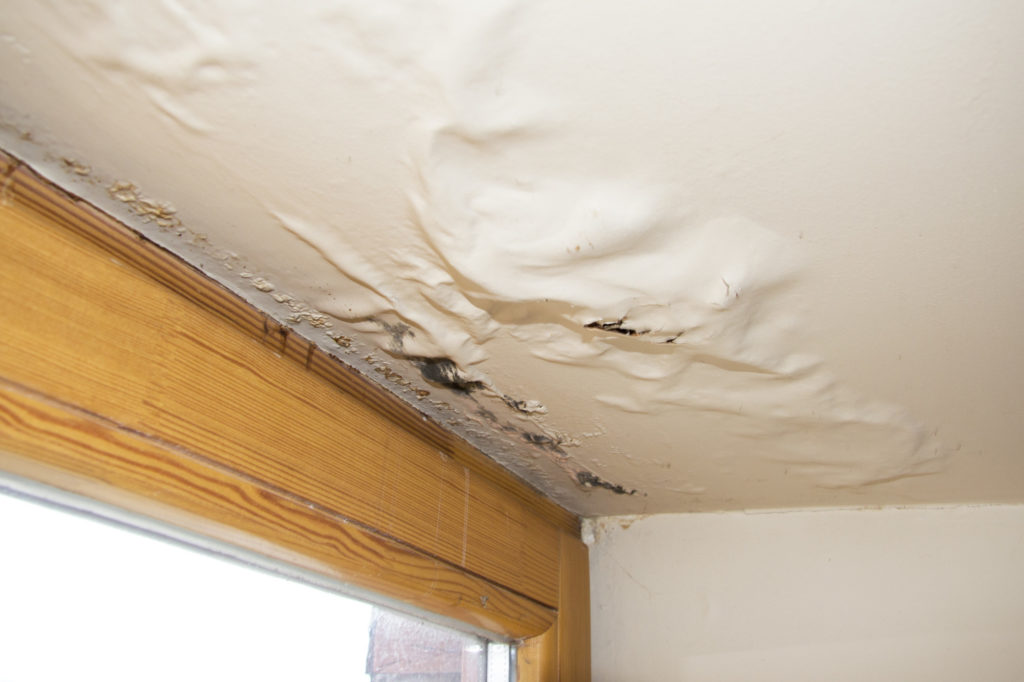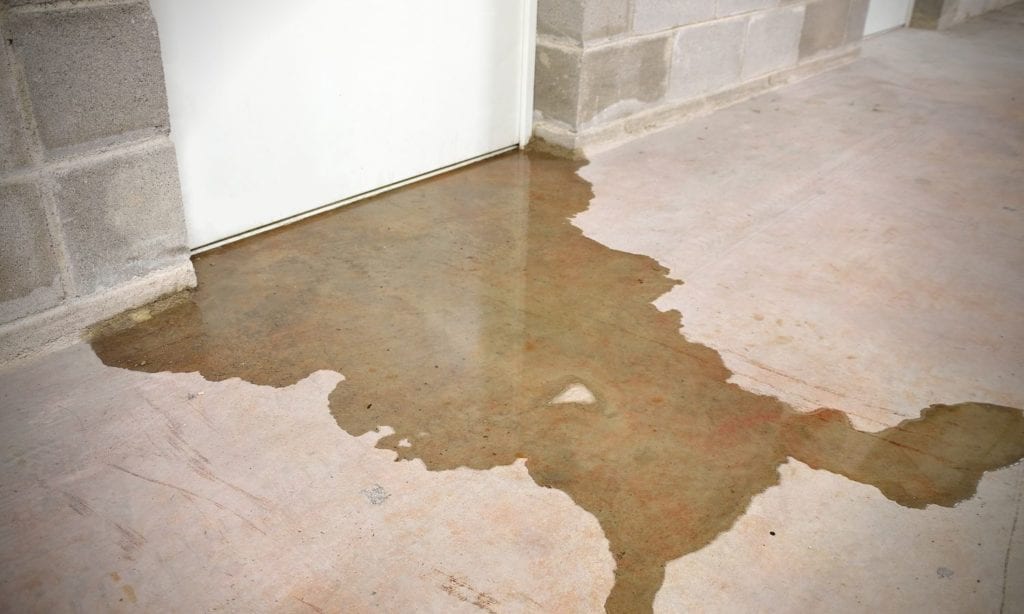
Building a resilient home is more important than ever as extreme weather, power outages, and security threats become increasingly common. A comprehensive home resilience planning guide helps homeowners anticipate risks, strengthen their property, and ensure the safety and comfort of everyone inside. This article covers practical steps for preparing your living space to withstand a range of emergencies, from natural disasters to technological disruptions.
Whether you’re concerned about storms, wildfires, or cyber threats, proactive planning can make a significant difference. By integrating smart technology, robust security, and essential supplies, you can minimize disruption and recover more quickly when challenges arise. For those interested in the latest advancements, exploring next-generation home security systems can further enhance your preparedness.
Why Every Household Needs a Resilience Strategy
Extreme events can strike with little warning, leaving homes vulnerable to damage and disruption. A well-developed plan protects not only your property but also your loved ones and essential belongings. By following a structured approach, you can:
- Identify vulnerabilities in your home’s structure and systems
- Reduce the impact of power loss, flooding, or break-ins
- Ensure rapid recovery and minimize downtime
- Maintain access to critical resources and information
Modern resilience strategies often include smart devices, backup power, and robust communication tools. For those interested in the future of protective technology, reviewing the future of home protection technology can offer valuable insights.
Assessing Risks and Prioritizing Actions
Every home faces unique risks based on location, construction, and occupancy. Begin your planning by conducting a thorough assessment:
- Natural Hazards: Consider threats like hurricanes, wildfires, earthquakes, or floods. Research local history and consult hazard maps.
- Technological Risks: Power outages, cyberattacks, and system failures can disrupt daily life. Evaluate your reliance on digital infrastructure.
- Security Threats: Burglaries and vandalism remain concerns. Assess entry points, lighting, and surveillance coverage.
Once risks are identified, prioritize actions based on likelihood and potential impact. Address the most severe vulnerabilities first, then build out your plan to cover less probable scenarios.
Key Elements of a Robust Home Resilience Plan
Effective resilience planning involves a combination of physical upgrades, technology integration, and emergency supplies. Here are the core components to consider:
1. Structural Reinforcements and Maintenance
Strengthen your home’s ability to withstand physical threats by:
- Securing roofs, windows, and doors against wind and debris
- Installing storm shutters or impact-resistant glass
- Elevating utilities and critical systems in flood-prone areas
- Regularly inspecting and maintaining the building envelope
Automated solutions can simplify upkeep. Explore home maintenance automation tools to streamline inspections and repairs.

2. Smart Security and Monitoring Solutions
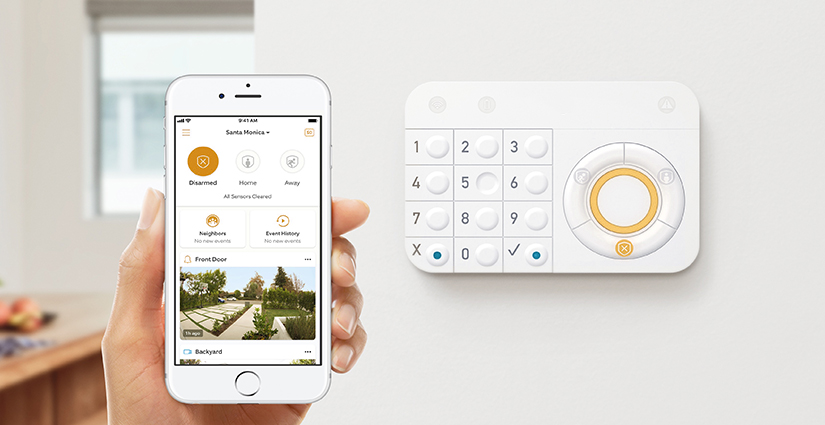
Modern security systems are a cornerstone of any home resilience planning guide. Features to look for include:
- 24/7 surveillance cameras with remote access
- Motion sensors and smart alarms
- Automated lighting to deter intruders
- Integration with mobile devices for instant alerts
For a detailed overview of available options, see this comprehensive smart home security guide that covers the latest systems and best practices.
Combining these technologies with traditional measures, such as reinforced locks and neighborhood watch programs, provides layered protection against both physical and digital threats.
3. Backup Power and Energy Management
Power interruptions are a frequent consequence of severe weather and grid failures. To maintain essential functions:
- Invest in backup generators or battery storage systems
- Install surge protectors to safeguard electronics
- Monitor energy usage with smart meters for efficiency
Smart energy monitors help track consumption and identify opportunities to reduce dependency on the grid. This not only supports resilience but can also lower utility costs over time.
4. Emergency Supplies and Hygiene Protection
Stocking up on critical supplies ensures your household can remain comfortable and safe during extended disruptions. Essentials include:
- Non-perishable food and potable water for at least 72 hours
- First aid kits and necessary medications
- Sanitation products and cleaning supplies
- Portable chargers and backup lighting
For advanced solutions, consider integrating home hygiene protection systems to maintain a healthy environment even during emergencies.
Maintaining and Updating Your Preparedness Plan
Resilience is not a one-time project. Regularly review and update your plan to account for new risks, changes in household needs, and advances in technology. Schedule annual drills, test backup systems, and refresh supplies as needed. Leveraging proactive property management systems can help automate reminders and streamline ongoing maintenance.
Stay informed about local hazards and participate in community preparedness programs. Sharing knowledge and resources with neighbors can further strengthen your collective ability to respond to extreme events.
Frequently Asked Questions
What is the first step in creating a home resilience plan?
The initial step is to assess the specific risks your property faces, such as natural disasters, power outages, or security threats. Once you understand these vulnerabilities, you can prioritize improvements and develop a tailored strategy to address them.
How often should I update my resilience plan?
It’s recommended to review your plan at least once a year or whenever there are significant changes to your household, local hazards, or available technology. Regular updates ensure your preparations remain effective and relevant.
Can smart home technology improve resilience?
Yes, integrating smart devices such as security systems, energy monitors, and automated maintenance tools can enhance your home’s ability to withstand and recover from extreme events. These technologies provide real-time monitoring, remote control, and automated alerts to help you respond quickly and efficiently.
Conclusion
Preparing your home for extreme events is an ongoing process that combines structural improvements, smart technology, and emergency supplies. By following a comprehensive home resilience planning guide, you can protect your property, ensure the safety of your loved ones, and recover more quickly from unexpected disruptions. Stay proactive, keep your plan up to date, and leverage the latest tools and resources to build a safer, more resilient living environment.