
Securing your home is more important than ever, and home surveillance camera systems have become a cornerstone of modern residential protection. With advances in technology, homeowners now have access to a wide range of security cameras that offer comprehensive monitoring, smart features, and easy integration with other smart home devices. Whether you’re looking to deter potential intruders, keep an eye on deliveries, or simply gain peace of mind, choosing the right camera setup can make a significant difference in your overall safety strategy.
In this guide, we’ll break down the essential features of today’s best surveillance solutions, explore leading brands, and help you decide which system fits your property’s unique needs. For those interested in the broader landscape of smart security, our resource on next-generation home security systems provides an in-depth look at the latest innovations shaping the industry.
Why Invest in a Modern Home Camera Network?
Today’s home surveillance camera systems go far beyond simple video recording. They offer real-time alerts, high-definition footage, night vision, and even AI-powered motion detection. Here are some compelling reasons to upgrade or install a comprehensive camera network:
- Deterrence: Visible cameras can discourage break-ins and vandalism.
- Remote Monitoring: Check live feeds from anywhere using your smartphone or computer.
- Evidence Collection: High-quality recordings can help law enforcement in case of incidents.
- Integration: Many systems work seamlessly with smart locks, alarms, and voice assistants.
- Peace of Mind: Keep tabs on kids, pets, and deliveries at any time.
For homeowners interested in a holistic approach, integrating your cameras with proactive property management systems can further enhance your home’s safety and efficiency.
Key Features to Look for in Security Camera Solutions
The market offers a variety of camera types and features. When evaluating options, consider the following criteria to ensure you get the most value and protection:
- Resolution: Look for at least 1080p HD for clear images. Higher resolutions like 2K or 4K are ideal for larger properties.
- Field of View: Wide-angle lenses (120° or more) provide broader coverage, reducing blind spots.
- Night Vision: Infrared or color night vision ensures visibility in low-light conditions.
- Motion Detection: Smart detection with customizable zones reduces false alerts.
- Storage Options: Choose between local (SD card, NVR) and cloud storage based on your privacy and access needs.
- Weather Resistance: For outdoor cameras, ensure they are rated for your climate (IP65 or higher).
- Two-Way Audio: Communicate with visitors or delivery personnel directly through the camera.
- Smart Home Compatibility: Integration with Alexa, Google Assistant, or Apple HomeKit adds convenience.
Combining these features with other smart home tools, like home maintenance automation tools, can streamline your property management and security routines.
Top Picks for Comprehensive Home Coverage
When it comes to selecting the best home surveillance camera systems, a few brands consistently stand out for their reliability, ease of use, and advanced features. Here’s a closer look at some leading options:
1. Ring Alarm and Camera Ecosystem
Ring offers a robust suite of indoor and outdoor cameras, doorbell cams, and integrated alarm systems. Their devices are known for easy DIY installation, real-time mobile alerts, and compatibility with Alexa. The Ring Protect subscription unlocks video history and advanced detection features, making it a strong choice for those seeking a scalable, user-friendly solution.
2. Arlo Ultra and Pro Series
Arlo’s wireless cameras deliver 4K video, color night vision, and advanced AI detection. The modular system allows you to add cameras as needed, and the Arlo Secure plan provides cloud storage and smart notifications. Their weatherproof design is ideal for both indoor and outdoor use.
3. Google Nest Cam
Google’s Nest Cam lineup integrates seamlessly with Google Home, offering intelligent alerts, facial recognition, and continuous recording with a Nest Aware subscription. The cameras are available in both battery-powered and wired versions, giving flexibility for different installation scenarios.
4. Eufy Security Systems
Eufy stands out for its local storage options and lack of mandatory monthly fees. Their cameras offer high-resolution video, customizable detection zones, and integration with major smart home platforms. Eufy’s HomeBase hub ensures secure, encrypted footage storage within your home.
For those interested in the evolving landscape of smart protection, our overview of the future of home protection technology highlights key trends and upcoming features to watch.
Installation Tips for Maximum Effectiveness
Proper placement and setup are crucial for getting the most out of your security cameras. Here are some practical tips:
- Position cameras to cover entry points such as doors, garages, and ground-floor windows.
- Mount cameras at least 8–10 feet above the ground to avoid tampering and maximize field of view.
- Angle outdoor cameras slightly downward to capture faces and activity near entrances.
- Use weatherproof models outdoors and ensure cables are protected from the elements.
- Test night vision performance and adjust lighting if necessary.
- Regularly update firmware to keep security features current.
Integrating your camera system with other smart devices, such as alarms or energy monitors, can further enhance your home’s safety and efficiency.
Integrating Cameras with Other Home Protection Tools
For a truly secure environment, consider combining your camera network with other smart protection systems. Many modern solutions offer compatibility with alarms, sensors, and even environmental monitors. For example, pairing cameras with home hygiene protection systems can help you monitor both security and cleanliness, while energy monitors provide insight into your home’s power usage.
It’s also wise to think about fire prevention and disaster preparedness. For a comprehensive approach, check out this guide on fire damage prevention and critical steps to protect your home.
Frequently Asked Questions
What’s the difference between wired and wireless camera systems?
Wired systems typically offer more reliable connections and continuous power, making them ideal for larger properties or permanent installations. Wireless cameras are easier to install and move, but may require battery changes or charging and can be affected by Wi-Fi signal strength.
How much storage do I need for my security footage?
The amount of storage depends on the number of cameras, video resolution, and whether you record continuously or only on motion. Cloud storage plans often offer flexible options, while local storage (SD cards or NVRs) may require periodic management to avoid overwriting important footage.
Can I access my cameras when I’m away from home?
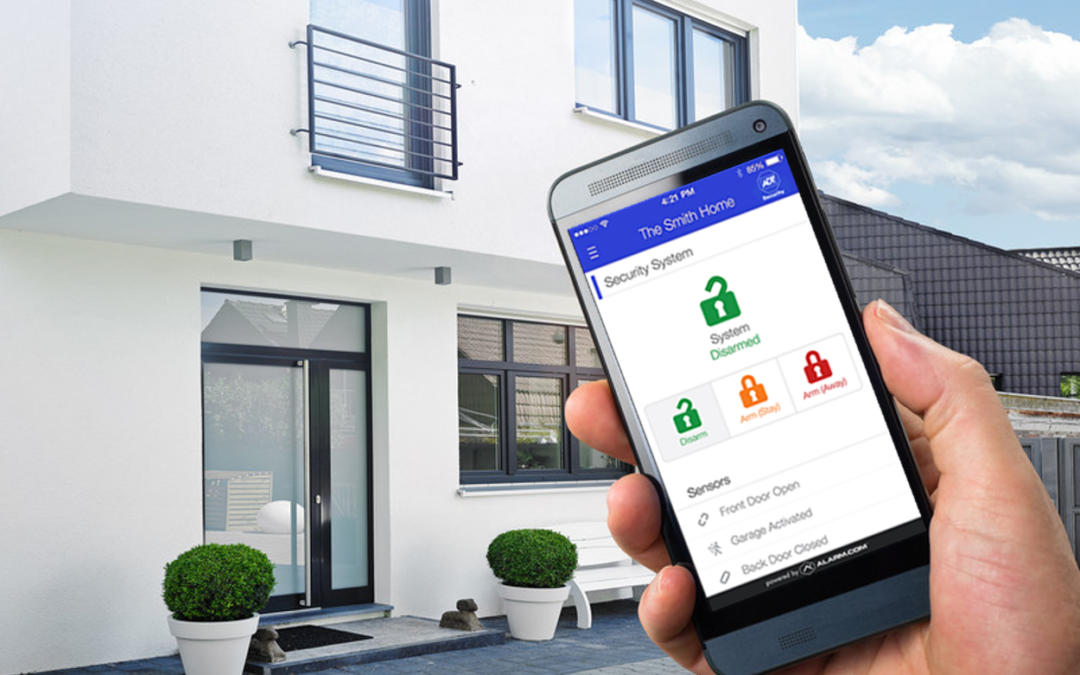
Most modern systems offer remote access via mobile apps or web portals. This allows you to view live feeds, receive alerts, and review recorded footage from anywhere with an internet connection.
Are there privacy concerns with cloud-based camera systems?
Cloud-based systems provide convenience but may raise privacy questions. Look for brands with strong encryption, two-factor authentication, and transparent privacy policies. If privacy is a top concern, consider solutions that offer local-only storage.
How can I make my security system more effective?
Combine cameras with alarms, smart locks, and environmental sensors. Regularly update your system’s firmware, use strong passwords, and review camera placement to eliminate blind spots. Integrating with future-focused security technologies can also boost your overall protection.
Choosing the right home surveillance camera systems is a crucial step toward safeguarding your property and loved ones. By understanding your options and integrating the best features for your needs, you can achieve total coverage and peace of mind.




