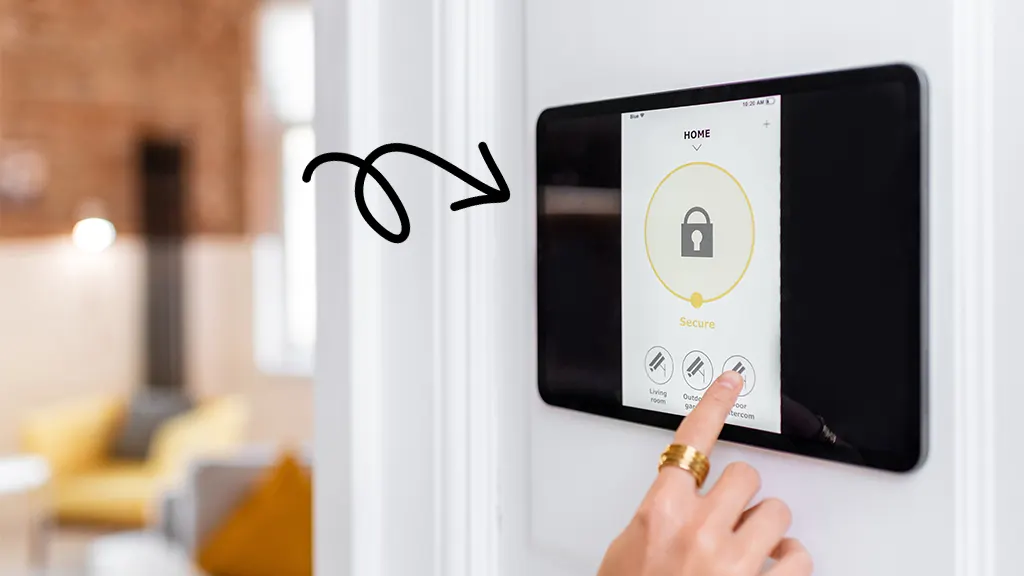
Keeping your home safe is about more than just reacting to threats—it’s about anticipating risks and taking action before problems arise. With the rise of smart technology and evolving security challenges, understanding how to protect your home proactively is essential for every homeowner. This guide covers practical steps, modern tools, and expert strategies to help you stay ahead of potential dangers, from break-ins to environmental hazards.
Whether you’re just starting to think about home security or looking to upgrade your current setup, you’ll find actionable advice here. We’ll also highlight the latest innovations and point you to additional resources, such as next-generation home security systems, for those interested in exploring advanced protection solutions.
Why Proactive Home Security Matters
Traditional security often relies on alarms or cameras that alert you after an incident has started. Proactive protection, on the other hand, focuses on preventing issues before they happen. This approach not only reduces the risk of loss or damage but also brings peace of mind. By identifying vulnerabilities and addressing them early, you can avoid costly repairs, insurance claims, and emotional stress.
Modern homeowners are increasingly turning to proactive property management systems and smart devices to automate monitoring and response. For a deeper look at how technology is shaping the future, check out the article on future of home protection technology.
Step 1: Assess and Identify Vulnerabilities
The first step in any effective security plan is a thorough assessment of your property. Walk around your home, both inside and out, and look for potential entry points, weak spots, and areas that are poorly lit or hidden from view. Pay attention to:
- Doors and windows, especially those on the ground floor
- Garage and basement entrances
- Fences, gates, and landscaping that could provide cover
- Outbuildings, sheds, and detached garages
Consider using checklists or digital tools to document your findings. Some home maintenance automation tools can help you keep track of regular inspections and maintenance tasks, ensuring nothing is overlooked.
Step 2: Strengthen Physical Defenses
Once you’ve identified weak points, take steps to reinforce them. Simple upgrades can make a significant difference:
- Install solid-core doors and deadbolt locks on all exterior entrances
- Use security film or reinforced glass on vulnerable windows
- Add window and door sensors for real-time alerts
- Upgrade outdoor lighting with motion-activated fixtures
- Maintain landscaping to eliminate hiding spots near entryways
These measures create multiple layers of defense, making your home a less attractive target for intruders.
Step 3: Embrace Smart Technology for Proactive Security
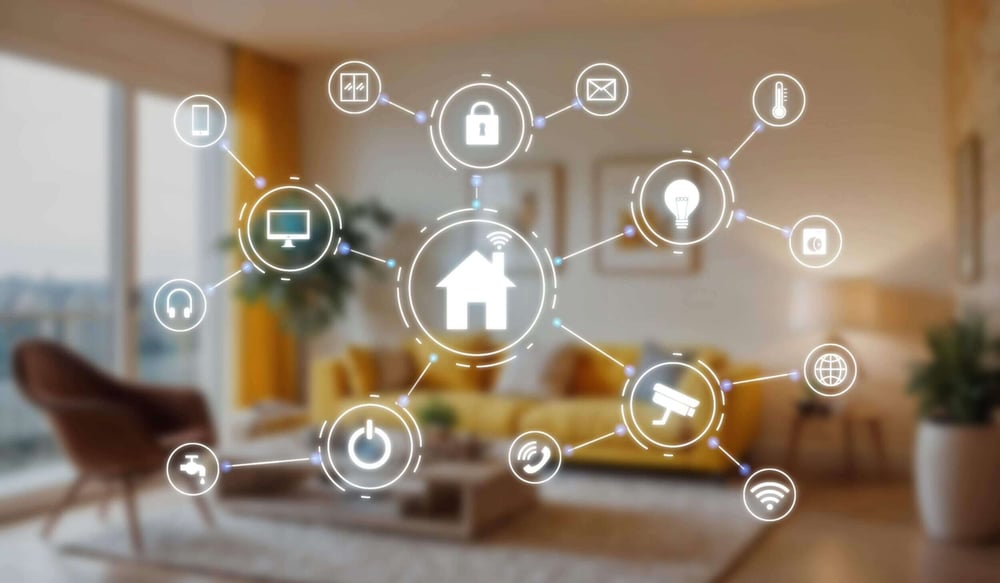
Smart home devices have revolutionized the way we approach proactive home protection. These tools allow you to monitor, control, and automate your security from anywhere. Consider integrating:
- Smart alarms and sensors that send instant alerts to your phone
- Wireless security cameras with remote viewing and cloud storage
- Video doorbells to screen visitors before opening the door
- Environmental sensors for smoke, carbon monoxide, and water leaks
- Energy monitors to detect unusual power usage that could indicate a problem
For homeowners interested in the latest advancements, explore proactive property management systems that combine security, maintenance, and automation in one platform.

Step 4: Maintain Hygiene and Environmental Safety
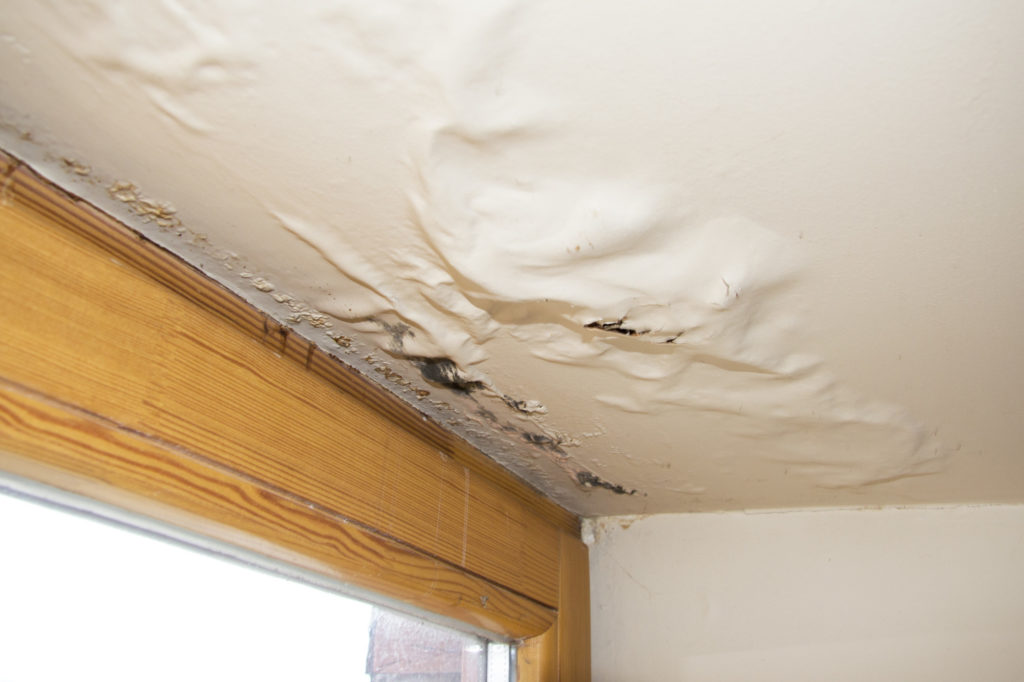
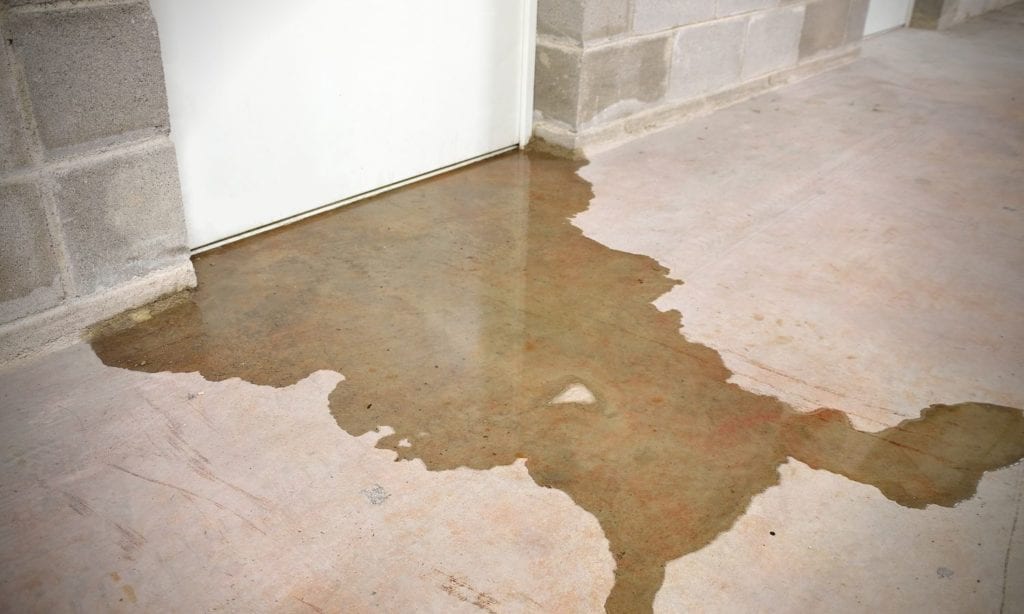
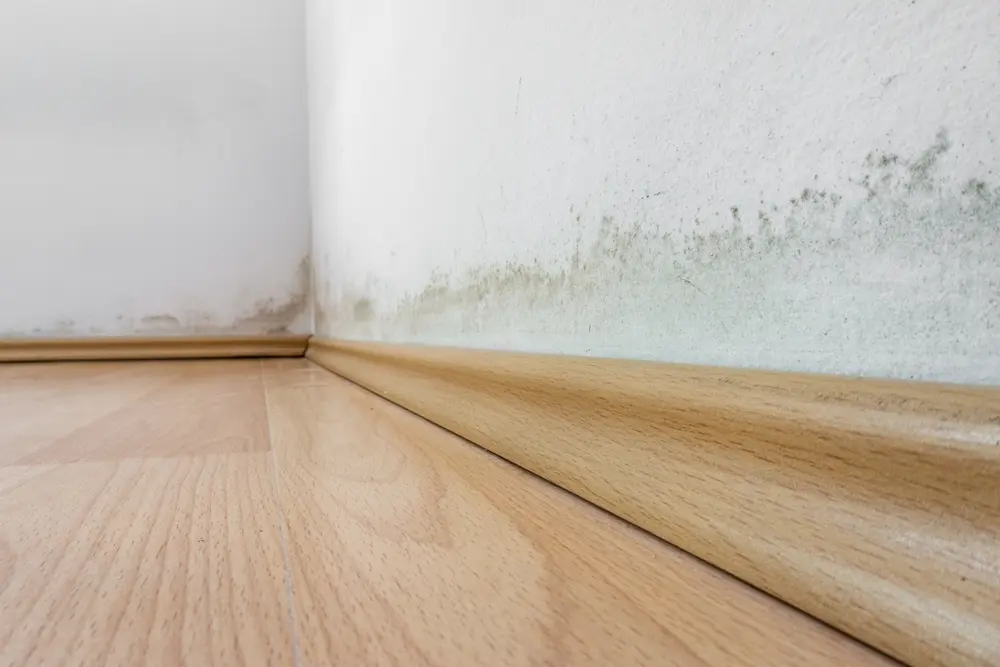
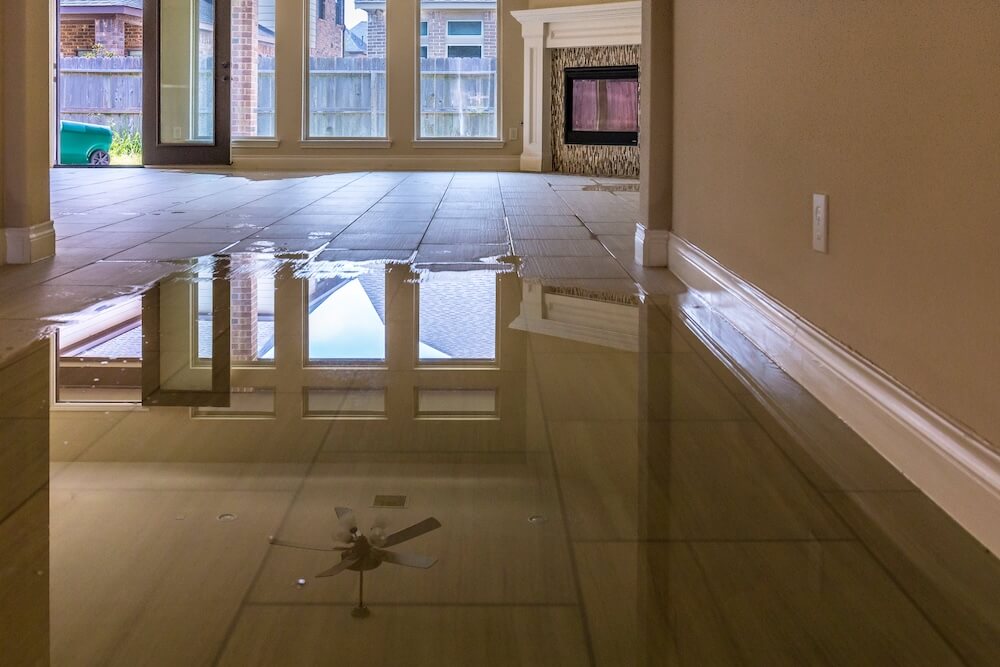
Proactive protection isn’t just about preventing break-ins. Safeguarding your home from environmental threats and maintaining hygiene are equally important. Install smoke and carbon monoxide detectors, test them regularly, and replace batteries as needed. Consider water leak sensors in basements, bathrooms, and kitchens to catch issues early.
For a healthier living environment, explore home hygiene protection systems that help reduce allergens, germs, and pollutants. These systems can automate air purification, humidity control, and even UV sanitization, contributing to a safer and more comfortable home.
Step 5: Establish Routines and Community Awareness
Technology and hardware are only part of the equation. Consistent routines and community engagement further enhance your security posture. Here are some habits to adopt:
- Lock doors and windows every time you leave, even for short trips
- Set up regular schedules for checking alarms, cameras, and sensors
- Coordinate with neighbors to watch for suspicious activity
- Join or start a neighborhood watch program
- Keep emergency contacts and plans updated for your family
Sharing information and collaborating with your community can deter crime and help everyone respond more effectively to emergencies.
Step 6: Stay Informed and Continuously Improve
Threats and vulnerabilities change over time. Stay up to date with the latest security trends, software updates, and best practices. Review your setup at least once a year, or after any major life change, such as moving, renovations, or new family members.
For more expert advice, see these proactive home security tips from industry professionals. Continuous learning and adaptation ensure your home remains protected against both old and new risks.
Frequently Asked Questions
What are the most important steps for proactive home security?
The most critical actions include assessing your property for vulnerabilities, reinforcing physical barriers, installing smart security devices, maintaining environmental safety, and establishing consistent routines. Combining these steps creates a comprehensive defense that addresses a wide range of threats.
How do smart devices help prevent problems before they occur?
Smart devices, such as alarms, cameras, and sensors, provide real-time monitoring and instant alerts. They can detect unusual activity, environmental hazards, or unauthorized entry, allowing you to respond quickly or even prevent incidents altogether. Many systems also offer remote control and automation features for added convenience.
How often should I review and update my home security setup?
It’s best to review your security measures at least annually, or whenever there are significant changes to your home or lifestyle. Regular updates ensure you’re protected against evolving risks and that all devices and routines remain effective.
Can proactive protection help with non-criminal threats?
Absolutely. Proactive strategies also address environmental hazards like fire, water leaks, and air quality issues. By integrating environmental sensors and hygiene systems, you can prevent damage and maintain a healthier living space.
By following these steps and staying informed, you can confidently safeguard your home and loved ones. For more insights on automating your home’s upkeep, explore our guide to home maintenance automation tools.