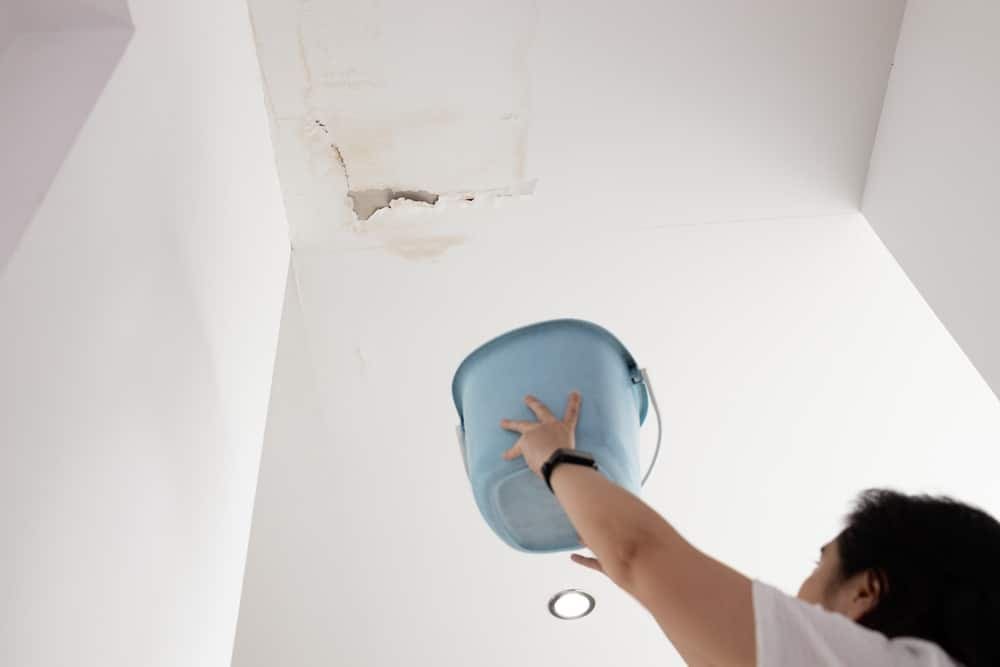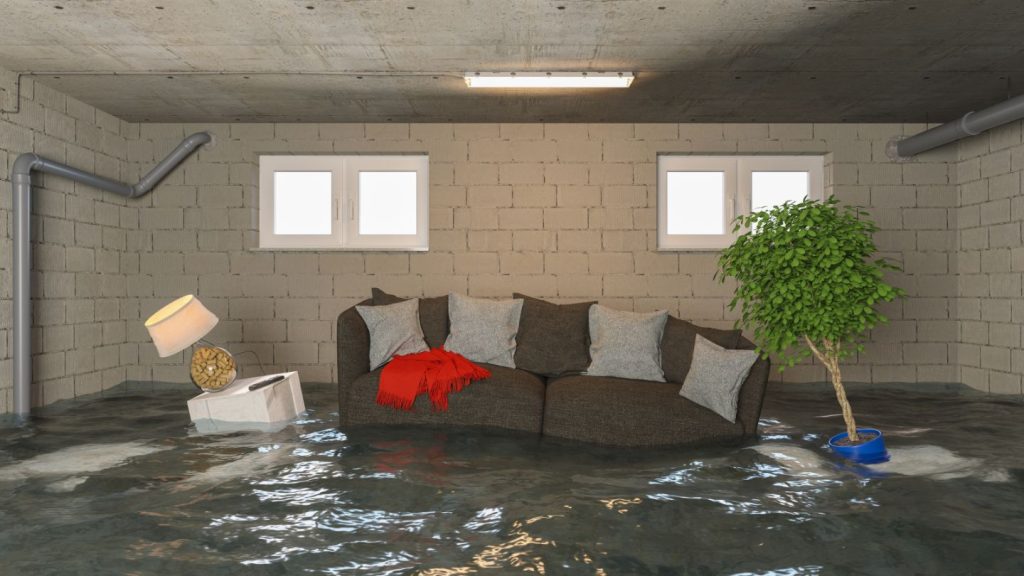
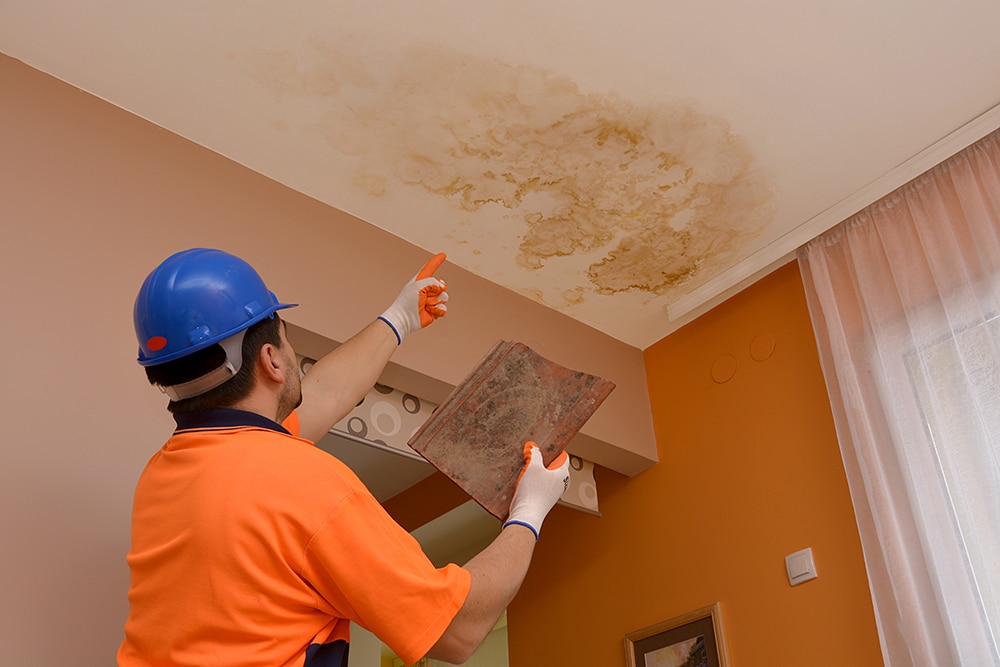
Persistent dampness in walls is a common problem for homeowners and property managers. Not only can excess moisture lead to unsightly stains and peeling paint, but it also encourages the growth of mold and mildew, which can affect indoor air quality and cause structural damage over time. Understanding how to remove moisture from walls is essential for maintaining a healthy, safe, and comfortable living environment.
This guide covers practical steps for identifying, treating, and preventing wall dampness. Whether you’re dealing with a minor patch of condensation or a more serious water intrusion issue, you’ll find actionable advice to help you tackle the problem at its source. For those interested in related home maintenance tips, you might also find value in learning how to clean cast iron after every use for a well-rounded approach to household care.
Common Causes of Damp Walls
Before addressing wall moisture, it’s important to pinpoint the underlying cause. Moisture can infiltrate walls through several pathways, and each requires a specific solution. Here are the most frequent culprits:
- Leaking pipes or plumbing fixtures: Even a slow drip inside a wall can lead to significant dampness over time.
- Poor ventilation: Inadequate airflow in bathrooms, kitchens, or basements can cause condensation to accumulate on wall surfaces.
- Roof or gutter leaks: Water entering from above may travel down and saturate wall cavities.
- Rising damp: Moisture from the ground can move upward through masonry, especially in older buildings without proper damp-proofing.
- Cracks in exterior walls: Gaps or damaged mortar allow rainwater to seep inside.
Identifying the source is the first step in any effective moisture removal strategy. If you suspect plumbing issues, consider using a leak detector to catch problems early and prevent further damage.
Signs Your Walls Have Excess Moisture
Recognizing the symptoms of dampness helps you act quickly and avoid costly repairs. Watch for these indicators:
- Peeling, bubbling, or discolored paint
- Musty odors or visible mold patches
- Efflorescence (white, powdery deposits)
- Wallpaper lifting or staining
- Cold, clammy wall surfaces
If you notice any of these warning signs, it’s time to investigate further and take action to dry out your walls.
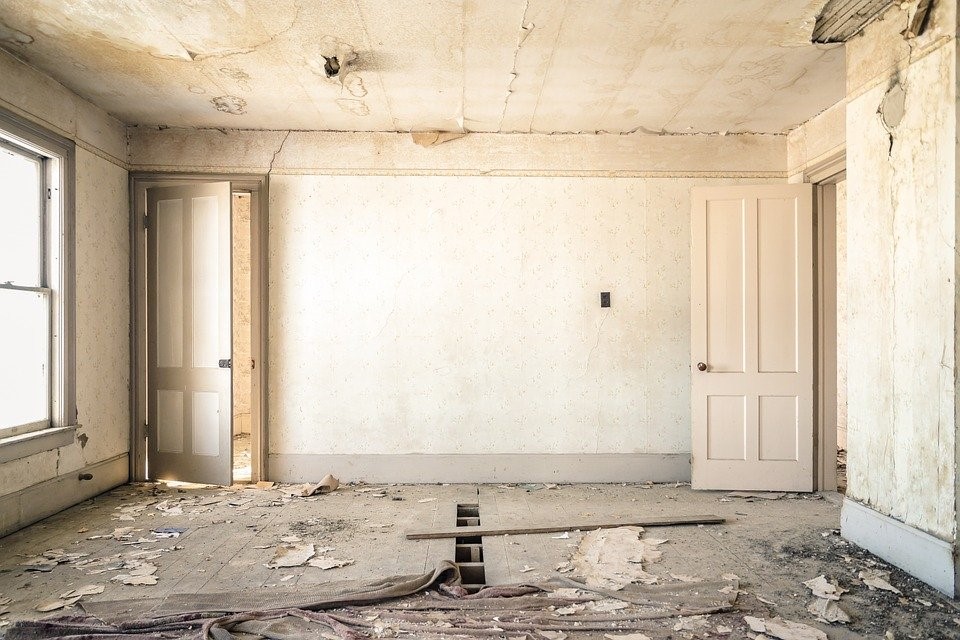
Step-by-Step Guide to Drying Out Damp Walls
Once you’ve identified the source and extent of the problem, follow these steps to effectively remove moisture from your walls:
-
Stop the Water Source
Address any leaks or plumbing issues immediately. Shut off water to the affected area if necessary, and repair faulty pipes or fixtures. For persistent leaks, consider consulting a professional plumber or using a leak detector for ongoing monitoring.
-
Improve Air Circulation
Open windows and doors to increase airflow. Use fans or a dehumidifier to help draw out moisture from the air and wall surfaces. In humid climates, a dehumidifier is especially effective at reducing overall dampness.
-
Remove Damaged Materials
If the wall covering (such as wallpaper or paint) is severely damaged, carefully remove it to allow the wall to breathe and dry more quickly. Dispose of any moldy or waterlogged materials safely.
-
Dry the Wall Thoroughly
Set up fans to blow directly on the affected area. For deeper moisture, use a moisture meter to monitor progress. Drying may take several days, depending on the severity of the problem and the wall material.
-
Treat for Mold and Mildew
Clean any visible mold with a solution of water and mild detergent, or use a commercial mold remover. Always wear gloves and a mask to protect yourself from spores. If mold covers a large area, seek professional remediation.
-
Repair and Restore
Once the wall is completely dry, repair any cracks or holes with appropriate filler. Repaint or re-wallpaper as needed, using mold-resistant products for added protection.
Preventing Future Moisture Problems
Prevention is key to avoiding recurring dampness. Here are some practical measures to keep your walls dry:
- Install exhaust fans in bathrooms and kitchens to reduce condensation.
- Regularly inspect and maintain gutters, downspouts, and roofing to prevent leaks.
- Seal exterior cracks and gaps with weatherproof caulk or masonry filler.
- Ensure proper grading around your home’s foundation to direct water away from the structure.
- Use a vapor barrier in basements or crawl spaces to limit ground moisture intrusion.
- Monitor plumbing fixtures and appliances for leaks. For more tips on protecting your home, see this guide to preventing water damage from household fixtures.
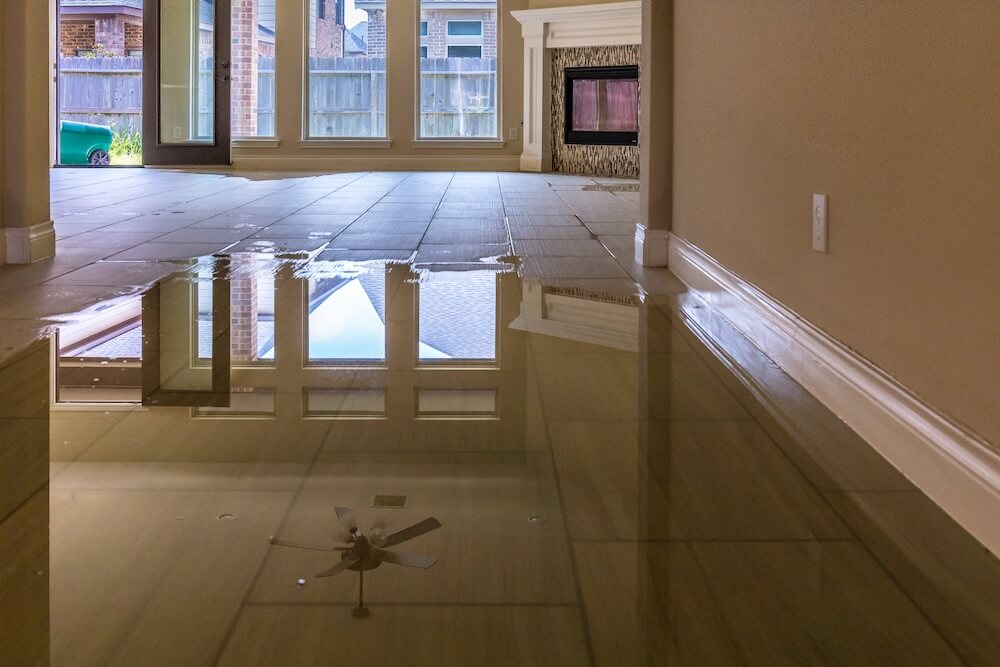
When to Call a Professional
Some moisture issues are too severe or persistent for DIY solutions. If you encounter any of the following, it’s wise to consult a specialist:
- Extensive mold growth (over 10 square feet)
- Structural damage to walls or foundations
- Recurring leaks you can’t locate or fix
- Health symptoms linked to mold exposure
Professionals have the tools and expertise to diagnose hidden problems, perform thorough remediation, and recommend long-term solutions.
Frequently Asked Questions
How long does it take to dry out a damp wall?
The drying process can take anywhere from a few days to several weeks, depending on the extent of the moisture, wall material, and environmental conditions. Using fans and dehumidifiers can speed up the process.
Is it safe to paint over a wall that was previously damp?
Only paint after the wall is completely dry and any mold has been removed. Use a mold-resistant primer and paint for added protection against future moisture issues.
Can moisture in walls cause health problems?
Yes, excess moisture can promote mold growth, which may lead to respiratory issues, allergies, and other health concerns, especially for sensitive individuals. Promptly addressing dampness is important for maintaining a healthy indoor environment.
Conclusion
Addressing wall dampness promptly helps prevent further damage and protects your home’s value. By identifying the source, drying out affected areas, and taking preventive measures, you can keep your living spaces dry and healthy. For additional home maintenance advice, explore topics like how to press tortillas for gorditas de azucar or using a tortilla press for pastry dough to expand your household skills.