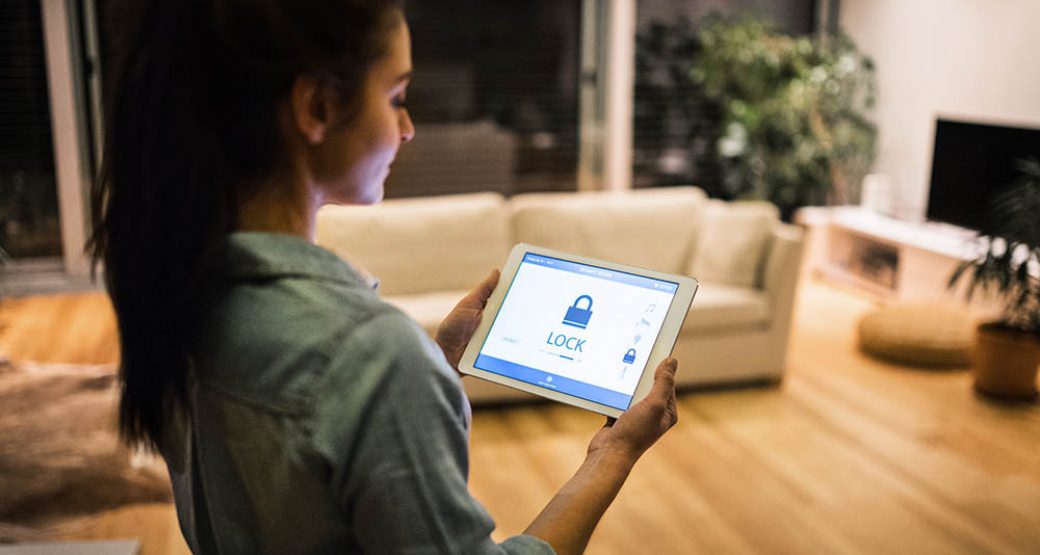
Modern homeowners are increasingly turning to remote home protection systems to safeguard their properties, even when they’re miles away. These solutions combine smart devices, cloud connectivity, and real-time alerts to offer peace of mind and proactive security. Whether you’re traveling, at work, or simply want to monitor your home from anywhere, these technologies make it easy to keep an eye on what matters most—without the hassle of traditional, on-site monitoring.
In this guide, we’ll explore how these systems work, their key features, and what to consider when choosing the right setup for your needs. We’ll also highlight the latest trends and provide practical advice for maximizing your investment in smart home security. For those interested in how these solutions are evolving, you can learn more about the future of home protection technology and what’s on the horizon for homeowners.
How Remote Security Solutions Work
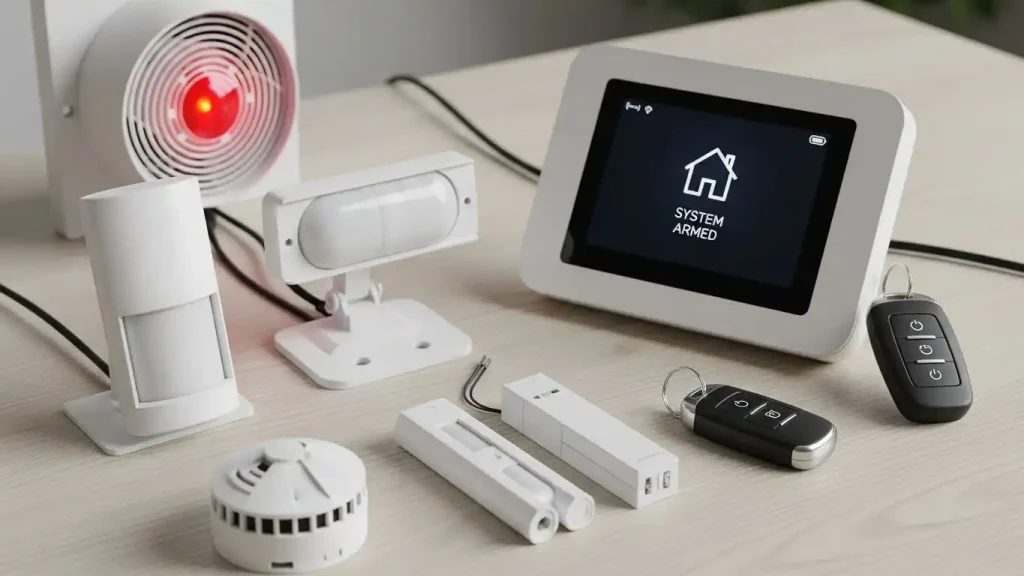
At the core of any effective off-site security setup is the ability to monitor and control your home from anywhere. These systems typically connect a range of smart devices—such as cameras, motion sensors, door/window contacts, and alarms—to a central hub or directly to the cloud. Through a secure app or web portal, users can:
- View live or recorded video feeds
- Receive instant notifications about suspicious activity
- Arm or disarm alarms remotely
- Control smart locks, lights, and other connected devices
Many modern solutions also integrate with voice assistants and other smart home platforms, making it easy to automate routines or respond quickly to alerts. For those who want a deeper dive into advanced features, our article on next-generation home security systems covers the latest must-have capabilities.
Key Features of Modern Remote Home Protection Systems
When evaluating different options, it’s important to focus on features that enhance both convenience and security. Here are some of the most valuable capabilities to look for:
- Real-Time Alerts: Immediate notifications via push, email, or SMS when sensors are triggered.
- High-Definition Cameras: Crisp video quality, night vision, and wide-angle views for comprehensive monitoring.
- Cloud Storage: Secure, off-site video storage ensures footage is accessible even if local devices are damaged or stolen.
- Remote Access: Control and monitor your system from anywhere using a smartphone or computer.
- Smart Integrations: Compatibility with other smart home devices, such as thermostats, lights, and voice assistants.
- Automated Routines: Schedule lights or alarms to activate at certain times, or trigger actions based on sensor input.
Some systems also offer professional monitoring services, where a dedicated team responds to alarms and can contact emergency services on your behalf. This added layer of protection is especially valuable for frequent travelers or those with second homes.
Benefits of Off-Site Security Management
Adopting a remote-first approach to home security offers several advantages over traditional systems:
- Peace of Mind: Know that your property is being monitored and you’ll be alerted to any unusual activity, no matter where you are.
- Flexibility: Adjust settings, grant access, or check in on your home at any time from your mobile device.
- Cost Savings: Many solutions are DIY-friendly, reducing installation and monthly monitoring fees.
- Scalability: Easily add new devices or sensors as your needs change, without rewiring or major upgrades.
- Integration: Combine security with energy management, automation, and other smart home functions for a seamless experience.
For those interested in combining security with other aspects of smart living, our resource on home maintenance automation tools explores how automation can simplify upkeep and enhance property value.
Choosing the Right Remote Monitoring Setup
With so many options on the market, selecting the best system for your home requires careful consideration. Here are some tips to guide your decision:
- Assess Your Needs: Consider the size of your property, number of entry points, and whether you need indoor, outdoor, or both types of monitoring.
- Check Compatibility: Ensure devices work with your existing smart home ecosystem and preferred platforms.
- Evaluate Connectivity: Reliable Wi-Fi or cellular backup is essential for uninterrupted monitoring and alerts.
- Review Privacy Policies: Understand how your data and video footage are stored and who has access.
- Compare Support Options: Some brands offer robust customer service and professional monitoring, while others are more DIY-oriented.
Reading user reviews and consulting resources like the proactive video monitoring for home security guide can help you make an informed choice.
Integrating Security with Other Smart Home Functions
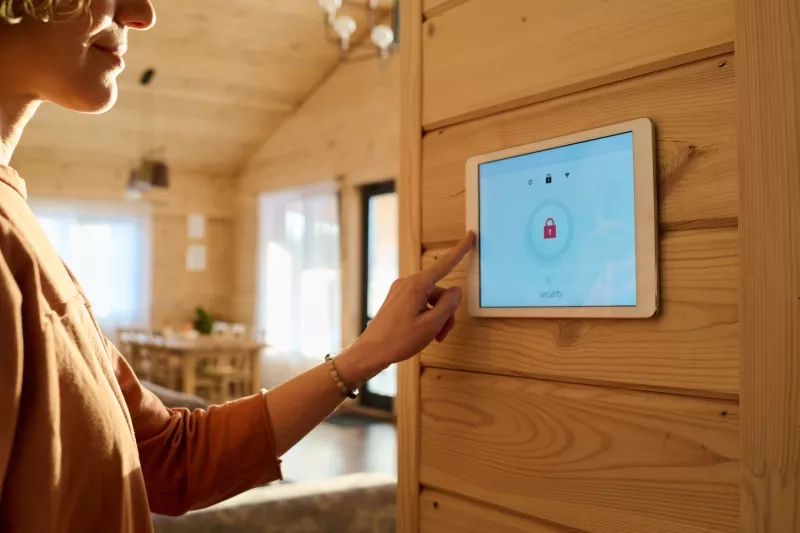
Today’s remote monitoring platforms are about more than just alarms and cameras. Many systems support integration with energy management, environmental sensors, and even hygiene solutions. For example, pairing your security setup with home hygiene protection systems can help you maintain a healthier living environment while keeping your property secure.
Some advanced platforms also offer predictive analytics, learning your routines and alerting you to anomalies. This proactive approach can help prevent incidents before they escalate, making your home not just safer, but smarter.
Staying Ahead: Trends in Remote Security Technology
The landscape of off-site protection is rapidly evolving. Here are some trends shaping the future of these solutions:
- AI-Powered Detection: Artificial intelligence is improving the accuracy of motion detection, reducing false alarms and identifying real threats more effectively.
- Cloud-Based Automation: More systems are leveraging cloud infrastructure for faster updates, better scalability, and seamless integration with third-party services.
- Enhanced Privacy Controls: Users now have more options to manage data sharing, device permissions, and footage retention.
- Energy Monitoring: Integration with devices like smart energy monitors allows homeowners to track usage and detect unusual patterns that may indicate security issues.
- Voice and Gesture Control: Hands-free operation is becoming standard, making it easier to manage your system even when your hands are full.
For a broader perspective on how these innovations are shaping the industry, our overview of proactive property management systems highlights the intersection of security, automation, and convenience.
FAQ: Remote Home Security and Monitoring
What devices are essential for a basic remote security setup?
A foundational system usually includes a smart hub, door and window sensors, at least one indoor or outdoor camera, and a siren or alarm. Many homeowners also add smart locks and motion detectors for enhanced coverage.
Can I install these systems myself, or do I need professional help?
Most modern solutions are designed for DIY installation, with user-friendly apps and clear instructions. However, larger homes or more complex setups may benefit from professional installation, especially if you want integrated monitoring services.
How secure are remote access and cloud storage features?
Reputable brands use strong encryption and multi-factor authentication to protect your data and video feeds. Always review privacy policies and choose providers with a track record of regular security updates and transparent data practices.
Do these systems work during power outages or internet disruptions?
Many setups offer battery backup and cellular connectivity to maintain protection during outages. Check product specifications to ensure continuous coverage in your area.
How do remote systems differ from traditional alarm setups?
Unlike conventional alarms, remote solutions allow you to monitor, control, and receive alerts from anywhere. They also offer greater flexibility, integration with other smart devices, and often lower ongoing costs.