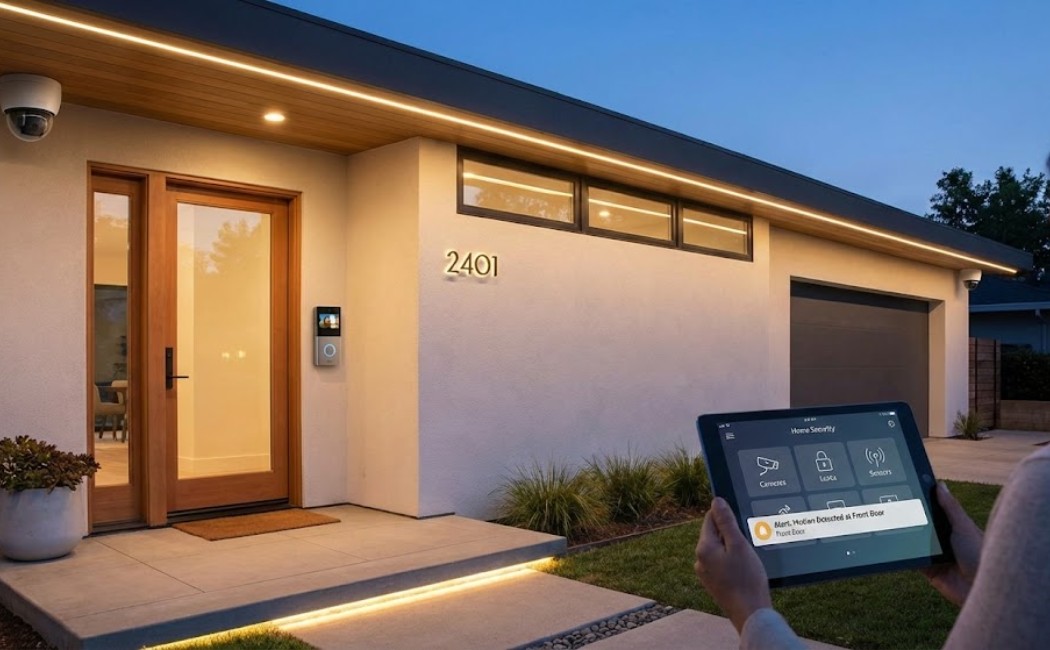
Keeping your living space truly clean goes beyond traditional dusting and mopping. With the rise of smart cleanliness monitoring, homeowners now have access to advanced tools and systems that help maintain a hygienic environment more efficiently and proactively. These technologies not only simplify daily routines but also provide real-time insights, ensuring your home stays healthier and safer for everyone.
From sensors that detect air quality to automated reminders for cleaning tasks, the latest innovations are transforming how we approach home hygiene. Whether you’re looking to upgrade your cleaning routine or want to stay ahead of germs and allergens, integrating smart solutions can make a significant difference. For those interested in broader home protection, exploring home hygiene protection systems can offer additional strategies for maintaining a germ-free space.
Why Embrace Smart Cleanliness Monitoring?
Modern households face a variety of hygiene challenges, from airborne pollutants to high-touch surfaces that harbor bacteria. Traditional cleaning methods can miss hidden threats or fail to address issues promptly. That’s where smart cleanliness monitoring comes in, offering:
- Continuous tracking of air quality, humidity, and particulate matter.
- Automated alerts for cleaning schedules and maintenance needs.
- Integration with other smart home devices for seamless operation.
- Data-driven insights that help you target problem areas more effectively.
By leveraging these tools, you can create a more responsive and adaptive cleaning routine that addresses both visible and invisible threats to your home’s hygiene.
Key Technologies for a Cleaner Home
Several innovative devices and systems are making it easier to monitor and maintain cleanliness at home. Here are some of the most impactful technologies:
Air Quality Monitors
Devices that track pollutants, allergens, and humidity levels are essential for anyone concerned about indoor air health. Many models send real-time notifications to your phone, allowing you to take action—like opening windows or running an air purifier—when levels become unhealthy.
Smart Sensors for Surfaces and Appliances
Surface sensors can detect the presence of bacteria or remind you when it’s time to disinfect high-touch areas like doorknobs, countertops, and remote controls. Some smart appliances, such as robotic vacuums and mops, can be programmed to clean specific zones based on sensor data, ensuring no area is overlooked.
Connected Cleaning Devices
Robotic vacuums, mops, and even window cleaners can be scheduled and monitored via smartphone apps. These devices often use mapping technology to cover every inch of your floors and surfaces, adapting to your home’s unique layout.
Integrating Hygiene Monitoring with Home Automation
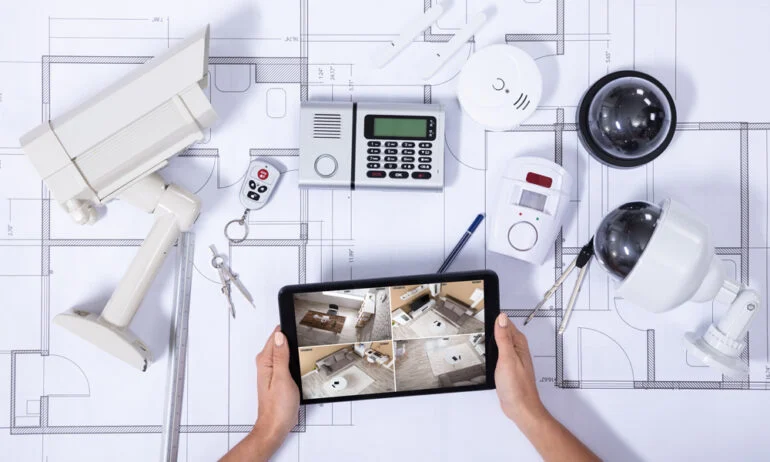
One of the biggest advantages of digital hygiene solutions is their ability to work alongside other smart home systems. For example, air quality sensors can trigger your HVAC system to increase ventilation automatically, or a smart speaker can remind you when it’s time to sanitize surfaces.
Many homeowners are also exploring home maintenance automation tools to streamline routine cleaning and upkeep. By connecting these devices through a central hub or app, you can create automated routines that respond to real-time data, making your home both cleaner and more efficient.
Benefits of Proactive Cleanliness Tracking
Adopting a proactive approach to hygiene using smart monitoring systems offers several benefits:
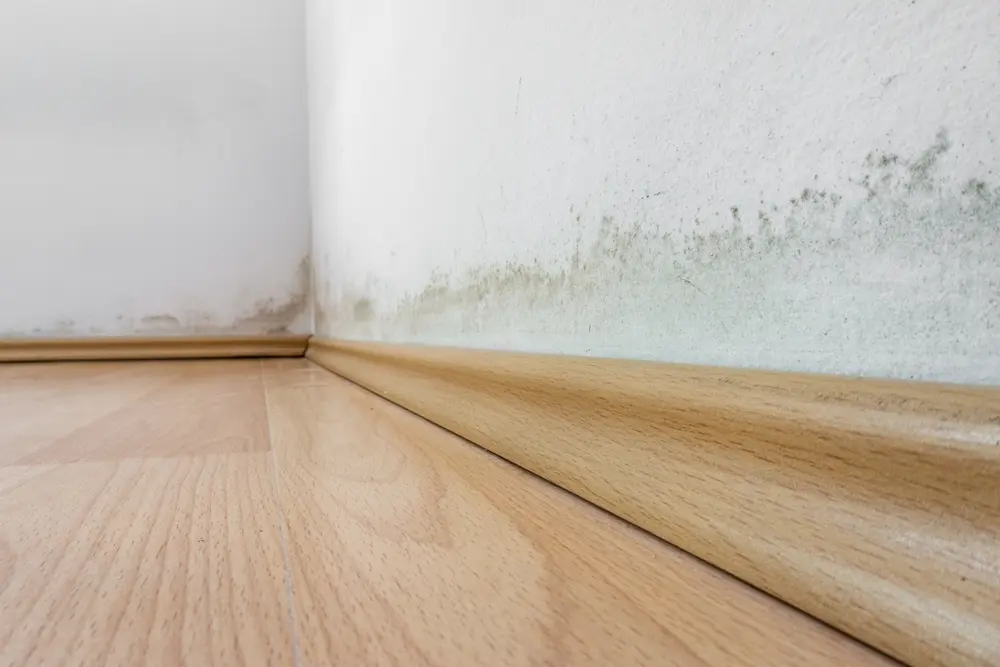
- Early detection of air quality issues, mold, or allergen spikes.
- Reduced spread of germs and bacteria through timely reminders and automation.
- Improved health for allergy sufferers and those with respiratory conditions.
- Peace of mind knowing your home is consistently monitored and maintained.
For those looking to take their home’s safety to the next level, exploring next-generation home security systems can provide additional layers of protection, integrating cleanliness with overall home safety.
Tips for Getting Started with Digital Hygiene Solutions
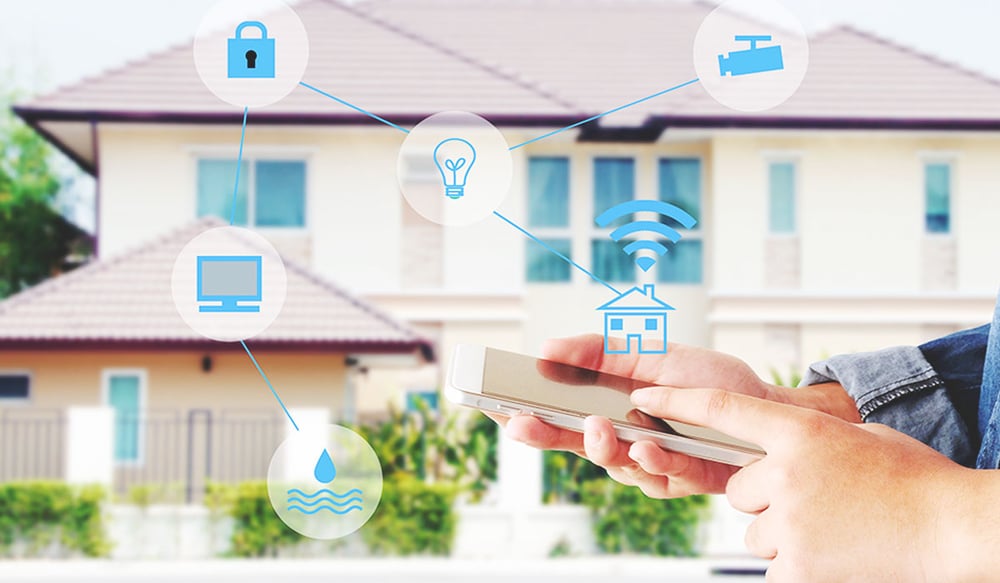
Transitioning to a tech-driven approach to cleanliness doesn’t have to be overwhelming. Here are some practical steps to help you get started:
- Assess your needs: Identify which areas of your home require the most attention, such as kitchens, bathrooms, or bedrooms.
- Choose compatible devices: Look for products that integrate with your existing smart home ecosystem for easier management.
- Set up automation: Use apps or smart hubs to create routines that respond to sensor data, like running a purifier when air quality drops.
- Monitor and adjust: Regularly review the data from your devices to fine-tune your cleaning schedule and address emerging issues.
For a deeper dive into preventive strategies, consider reading the ultimate guide to proactive home protection, which highlights why prevention is key to maintaining a safe and healthy environment.
Staying Ahead with the Latest Trends
The world of smart home hygiene is evolving rapidly. New products and features are constantly emerging, making it easier to maintain a spotless living space. Keeping up with future of home protection technology trends ensures you’re always equipped with the most effective tools for your needs.
Some trends to watch include:
- AI-powered cleaning robots that learn your habits and adapt their routines.
- Voice-activated hygiene reminders through smart speakers.
- Integration with health apps to track how your home environment impacts your well-being.
As these technologies become more accessible, maintaining a clean and healthy home will continue to get easier and more effective.
FAQ: Smart Cleanliness and Home Hygiene Technology
How do smart cleanliness monitoring systems improve home hygiene?
These systems provide real-time data on factors like air quality, humidity, and surface cleanliness. By alerting you to potential issues and automating cleaning schedules, they help reduce the spread of germs and ensure a consistently healthy environment.
Are smart hygiene devices difficult to install and use?
Most modern devices are designed for easy installation and user-friendly operation. Many connect directly to your Wi-Fi and can be managed through smartphone apps, making setup and daily use straightforward even for beginners.
Can these systems help with allergies or respiratory conditions?
Yes, by monitoring and improving air quality, as well as reminding you to clean allergen-prone areas, these technologies can significantly reduce exposure to triggers, making your home safer for those with allergies or asthma.
What other smart home tools can complement cleanliness monitoring?
Combining hygiene monitoring with proactive property management systems and automated maintenance solutions can further enhance your home’s safety and efficiency.