Maintaining a secure and resilient home starts with understanding the integrity of its structure. Regular structural home safety checks are essential for identifying potential risks, preventing costly repairs, and ensuring your property remains a safe place for you and your family. Whether you own a new build or an older residence, evaluating the “bones” of your home should be a top priority for every homeowner.
This guide provides a clear overview of what to look for during a structural inspection, practical steps for performing your own assessments, and advice on when to call in professionals. Along the way, you’ll find tips for integrating smart monitoring tools and links to related resources, such as next-generation home security systems, to help you take a proactive approach to property safety.

Why Structural Assessments Matter for Homeowners
Every home, regardless of age or design, is vulnerable to wear and tear. Over time, small issues can develop into serious structural problems if left unchecked. By conducting regular structural home safety checks, you can:
- Identify early warning signs of foundation movement, water intrusion, or material fatigue.
- Prevent minor issues from escalating into expensive repairs.
- Protect your investment and maintain property value.
- Ensure safety for all occupants by reducing the risk of accidents or collapses.
Routine evaluations also help you stay compliant with insurance requirements and local building codes, giving you peace of mind and a clear action plan for maintenance.
Key Areas to Inspect During a Home Structural Check
When performing a comprehensive safety review, focus on the following critical components:
- Foundation: Look for cracks, uneven settling, or moisture intrusion. Even small fissures can indicate larger issues below the surface.
- Walls and Masonry: Examine both interior and exterior walls for bowing, bulging, or separating joints. Pay special attention to brickwork and mortar.
- Floors: Check for sagging, sloping, or bouncing floors, which may signal compromised joists or supports.
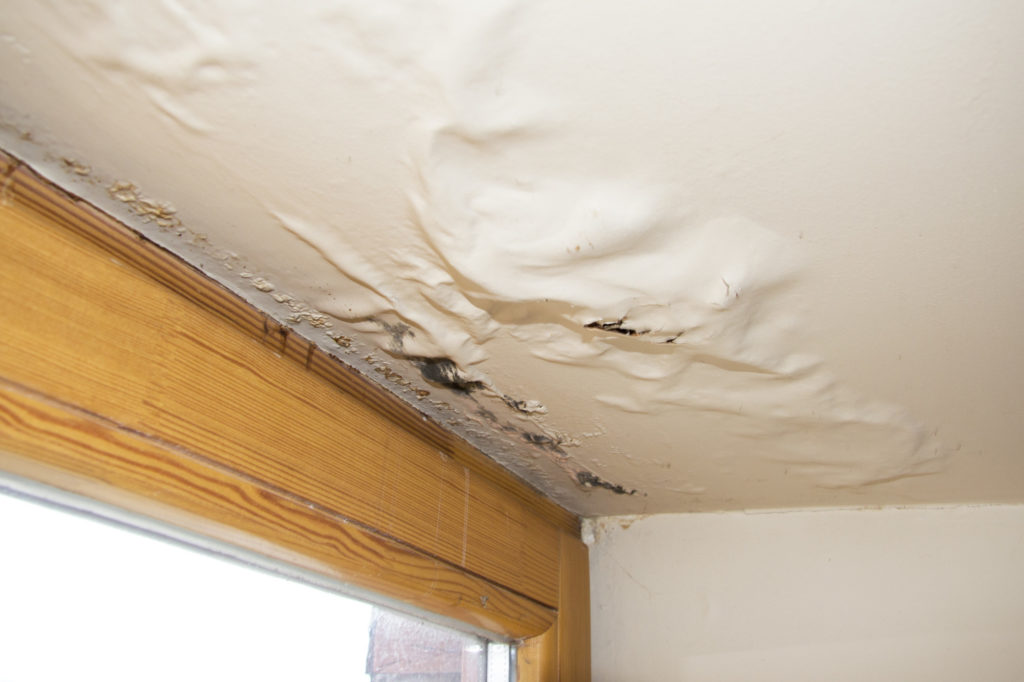
- Roof Structure: Inspect rafters, trusses, and attic spaces for signs of water damage, mold, or wood rot.
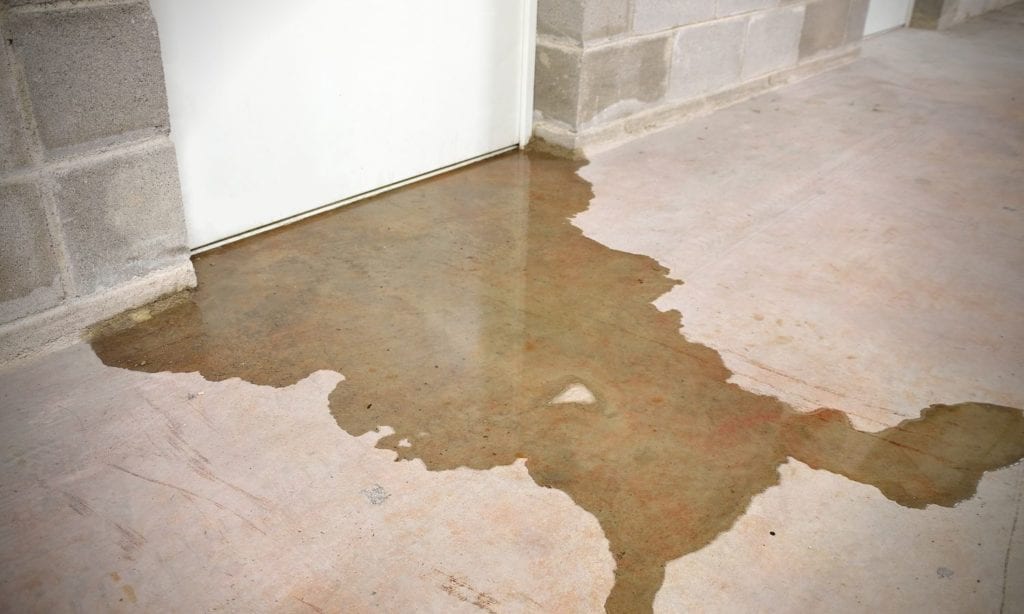
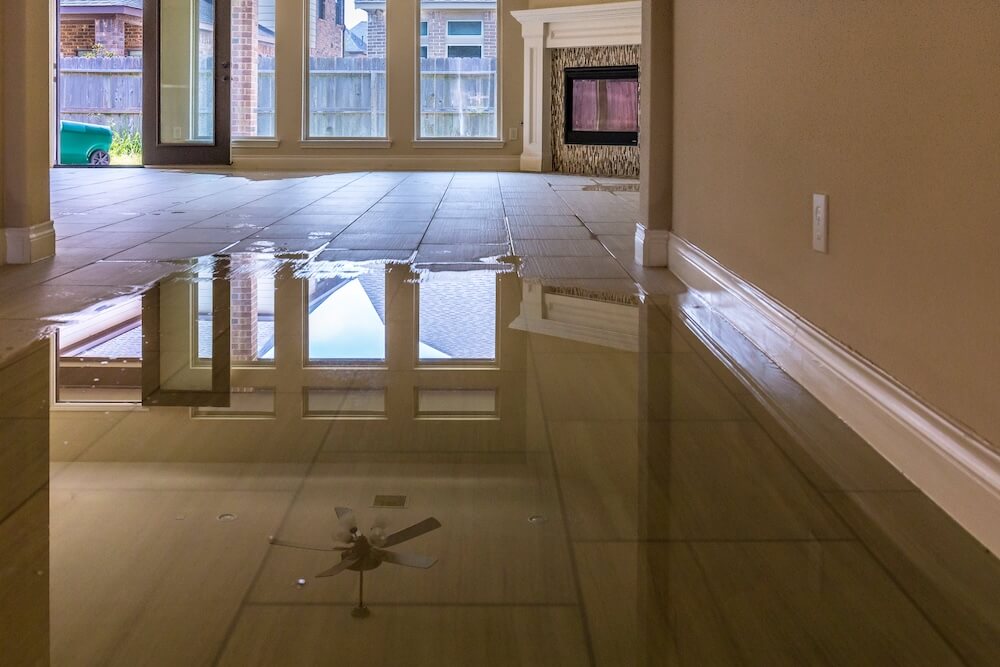
- Basement and Crawl Spaces: Look for standing water, efflorescence (white powdery residue), or musty odors, all of which can point to drainage or ventilation problems.
- Doors and Windows: Difficulty opening or closing may indicate shifting frames due to foundation movement.
Document any concerns with photos and notes. If you spot significant damage or are unsure about a finding, consult a licensed structural engineer for a professional assessment.

How to Perform a DIY Structural Safety Walkthrough
While professional inspections are recommended for major concerns, many homeowners can perform basic checks themselves. Here’s a step-by-step approach:
- Start Outside: Walk the perimeter of your home. Look for cracks in the foundation, leaning walls, or gaps between soil and the structure.
- Move Indoors: Inspect each room, focusing on floors, ceilings, and corners for cracks or unevenness.
- Check Attic and Basement: Use a flashlight to spot leaks, mold, or damaged beams. Feel for dampness and listen for unusual creaks.
- Test Doors and Windows: Open and close each one to detect sticking or misalignment.
- Monitor Over Time: Mark cracks or problem areas with tape and date them. Revisit these spots monthly to track changes.
For a more automated approach, consider integrating home maintenance automation tools to help monitor humidity, temperature, and even vibration levels in key structural areas.
When to Call in a Professional
Some issues are best left to experts. Contact a licensed inspector or structural engineer if you notice:
- Large or widening cracks in walls or foundation
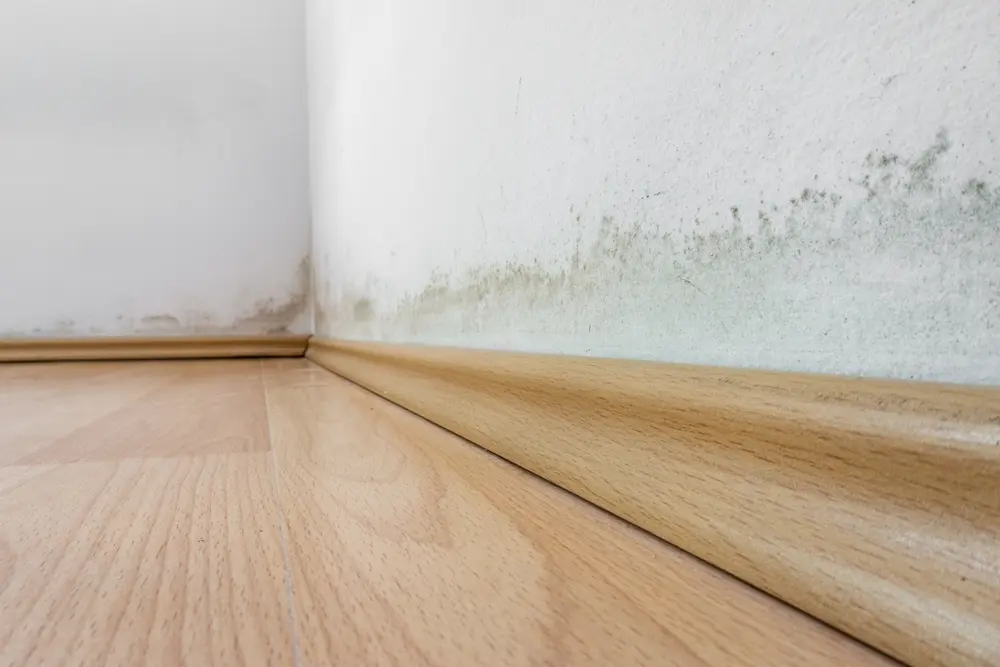
- Persistent water intrusion or visible mold growth
- Sudden changes in floor level or slope
- Unexplained increases in utility bills (could indicate hidden leaks or insulation problems)
- Any signs of termite or pest damage to wood structures
Professional evaluations provide detailed reports and recommendations, which are especially valuable if you plan to sell your home or undertake major renovations.

Leveraging Technology for Ongoing Structural Monitoring
Modern smart home devices can play a valuable role in ongoing safety checks. For example, energy monitors can alert you to unusual power usage that may signal hidden electrical or moisture issues. Security systems equipped with environmental sensors can detect changes in temperature, humidity, or vibration, providing early warnings of structural shifts or leaks.
For those interested in the latest advancements, explore resources on future of home protection technology to see how AI and IoT devices are transforming property maintenance and safety.
Additionally, being proactive with your home’s upkeep can be enhanced by following expert advice on proactive home security, which emphasizes regular checks and smart monitoring integration.
Common Issues Uncovered During Structural Reviews
Routine inspections often reveal recurring problems, especially in older homes. Some of the most frequent findings include:
- Settling and Foundation Cracks: Minor settling is normal, but large or growing cracks require attention.
- Moisture Damage: Water stains, mold, or rot around windows, basements, or attics.
- Pest Infestation: Evidence of termites or rodents can compromise wood framing and insulation.
- Improper Repairs: DIY fixes that do not meet code can create new hazards.
- Outdated Wiring or Plumbing: Older systems may not support modern appliances or safety standards.
Addressing these issues promptly helps prevent further deterioration and supports a safer living environment.
Integrating Structural Checks with Broader Home Safety Strategies
Structural reviews are just one part of a holistic approach to property protection. Combine them with:
- Regular cleaning and hygiene protocols—see our guide on home hygiene protection systems
- Automated maintenance reminders and smart sensors
- Community awareness and neighborhood watch programs
- Staying informed about proactive property management systems
By integrating these strategies, you create a robust defense against both structural and security threats.
FAQ: Structural Home Safety and Maintenance
How often should I perform a structural safety check?
It’s advisable to conduct a basic walkthrough every six months and a more detailed inspection annually. After severe weather events or before major renovations, increase the frequency of your checks.
What are the most critical signs of structural problems?
Watch for large or widening cracks, doors or windows that suddenly stick, sloping floors, persistent dampness, or visible mold. These symptoms often indicate underlying issues that require professional evaluation.
Can smart home devices help with structural monitoring?
Yes, modern smart sensors can detect changes in humidity, temperature, and even movement. These tools provide early alerts for leaks, foundation shifts, or other anomalies, allowing you to address problems before they escalate.
Should I attempt repairs myself or hire a professional?
Minor cosmetic issues can often be handled by homeowners, but any structural concerns—such as foundation cracks, water intrusion, or pest damage—should be assessed and repaired by licensed professionals to ensure safety and compliance.
Regular structural home safety checks are a vital part of responsible homeownership. By staying vigilant and leveraging both traditional inspection methods and modern technology, you can protect your property’s foundation and enjoy greater peace of mind for years to come.