Earthquakes can strike without warning, making it essential for homeowners to take proactive steps to safeguard both their property and loved ones. Focusing on earthquake safety at home involves more than just reacting during a tremor—it requires thoughtful preparation, structural improvements, and smart interior planning to minimize risk and damage. This guide explores practical strategies for reinforcing your house and securing your belongings, helping you create a safer living environment.
Whether you live in a high-risk seismic zone or simply want to be prepared for unexpected natural events, understanding the fundamentals of residential earthquake protection is crucial. We’ll cover key structural upgrades, interior safety tips, and the role of modern technology in enhancing your home’s resilience. For those interested in broader home security advancements, you may also want to explore next-generation home security systems for comprehensive protection.
Why Earthquake Preparedness Matters for Homeowners
Many people underestimate the destructive power of earthquakes until they experience one firsthand. Even moderate tremors can cause significant structural damage, topple furniture, and disrupt essential services. By prioritizing earthquake safety at home, you not only protect your investment but also reduce the risk of injury or worse for everyone inside.
Preparedness is especially vital in regions with a history of seismic activity, but even areas with lower risk can benefit from basic safety measures. Simple changes, such as securing heavy objects and reinforcing weak points, can make a substantial difference in the outcome of an earthquake.
Strengthening Your Home’s Structure Against Earthquakes
The first line of defense is your home’s structural integrity. Older buildings, in particular, may lack modern reinforcements that help withstand seismic forces. Here are some effective steps to bolster your property:
- Foundation Bolting: Anchor the house frame to its foundation using steel bolts or plates. This prevents the structure from sliding off its base during strong shaking.
- Shear Walls: Add or reinforce shear walls—vertical panels that help resist lateral movement. These are especially important in garages and large open spaces.
- Bracing Cripple Walls: Short wood-framed walls between the foundation and first floor should be braced with plywood to prevent collapse.
- Chimney and Masonry Reinforcement: Secure brick chimneys and masonry walls with steel straps or braces to minimize falling debris.
- Roof-to-Wall Connections: Use metal connectors to tie the roof securely to the walls, reducing the risk of roof separation during an earthquake.
Consulting a licensed structural engineer is recommended for a thorough assessment and to identify the most effective retrofitting options for your specific home.
Interior Protection: Securing Belongings and Reducing Hazards
While structural upgrades are critical, much of the danger during an earthquake comes from unsecured objects inside the home. Taking the following precautions can help prevent injuries and property loss:
- Anchor Heavy Furniture: Use brackets or straps to secure bookcases, cabinets, and dressers to wall studs.
- Install Latches: Fit cabinets with childproof latches to keep doors closed and prevent contents from spilling out.
- Secure Electronics and Appliances: Fasten TVs, computers, and kitchen appliances with safety straps or anti-tip devices.
- Move Hazardous Items: Store heavy or breakable objects on lower shelves, and keep flammable materials away from heat sources.
- Check Water Heaters: Strap water heaters to the wall to prevent tipping and potential gas leaks.
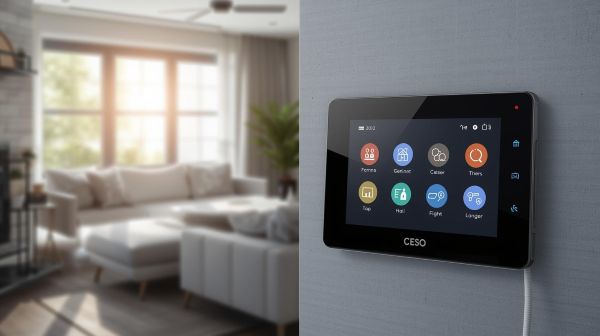
Smart Home Technology for Enhanced Earthquake Response
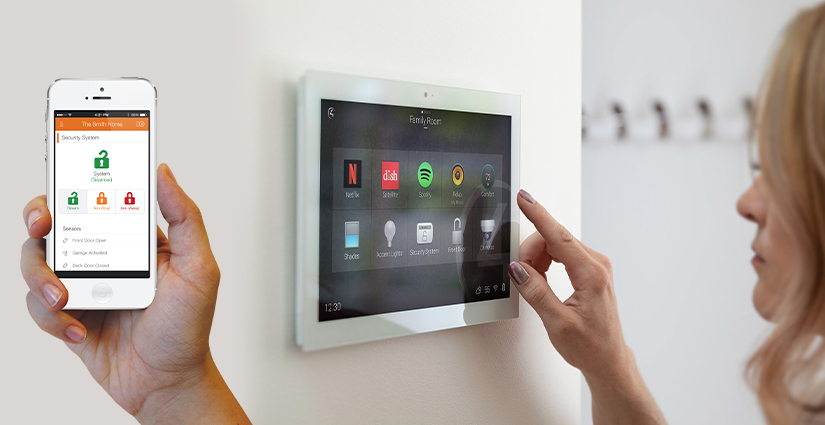
Modern technology offers new ways to improve earthquake safety at home. Smart devices can provide early warnings, automate emergency responses, and monitor critical systems:
- Seismic Sensors: Install sensors that detect ground movement and send alerts to your phone or home automation system.
- Automated Shutoffs: Equip your home with smart gas and water shutoff valves that activate during strong shaking to prevent leaks and flooding.
- Integrated Security Systems: Many future of home protection technology solutions now include earthquake monitoring as part of their feature set.
- Energy Monitoring: Devices like the Emporia Energy Monitor can help you track power usage and identify faults after an event, supporting a safer recovery process.
These technologies not only add convenience but also provide peace of mind by automating critical safety steps when seconds count.

Developing a Family Emergency Plan
No matter how well you prepare your home, having a clear emergency plan is essential. Every household member should know what to do before, during, and after an earthquake:
- Identify Safe Spots: Teach everyone to take cover under sturdy tables or against interior walls, away from windows and heavy objects.
- Practice Drills: Conduct regular earthquake drills so that actions become second nature.
- Emergency Kits: Keep kits stocked with water, food, flashlights, batteries, first aid supplies, and important documents in accessible locations.
- Communication Plan: Establish how you will contact each other if separated, and designate a meeting spot outside the home.
Consider integrating your emergency plan with your home’s technology. For example, some safe room planning at home strategies include dedicated communication devices and backup power sources.
Protecting Utilities and Essential Systems
Earthquakes can disrupt power, water, and gas lines, leading to secondary hazards such as fires or flooding. To enhance earthquake safety at home, take these additional steps:
- Know Shutoff Locations: Make sure all adults know how to turn off gas, water, and electricity at the main controls.
- Install Flexible Connections: Use flexible gas and water lines to reduce the risk of leaks or ruptures.
- Monitor for Faults: After an event, use energy monitoring tools to check for electrical issues. For more on this, see our guide to energy system protection at home.
Regular maintenance and periodic checks of these systems can help you identify vulnerabilities before disaster strikes.
Insurance and Financial Protection
Even with the best precautions, some risks remain. Reviewing your homeowner’s insurance policy is a critical part of your earthquake preparedness strategy. Standard policies often exclude earthquake damage, so consider purchasing additional coverage if you live in a seismic zone.
For insights on proactive financial protection, refer to this guide to proactive protection for life’s milestones. Understanding your coverage and knowing how to file claims can speed up recovery and reduce stress after an incident.
Frequently Asked Questions
What are the most important steps to take for earthquake safety at home?
The most critical actions include reinforcing your home’s structure, anchoring heavy furniture, securing appliances, and developing a family emergency plan. Adding smart technology and keeping emergency supplies ready also play a big role in minimizing risk.
How can I tell if my house needs structural retrofitting?
Homes built before modern seismic codes may lack essential reinforcements. Signs include unbolted foundations, unbraced cripple walls, and unsecured chimneys. A licensed structural engineer can provide a detailed assessment and recommend upgrades.
Are smart home devices useful for earthquake preparedness?
Yes, smart sensors, automated shutoff valves, and integrated security systems can provide early warnings, automate emergency responses, and monitor for hazards after an event. These tools enhance both safety and peace of mind.
Conclusion
Taking a proactive approach to earthquake safety at home means combining structural improvements, interior precautions, and modern technology. By addressing both the physical and practical aspects of preparedness, you can significantly reduce the risks to your family and property. For those seeking even more advanced solutions, explore the latest trends in future of home protection technology and consider integrating them into your overall safety strategy.