
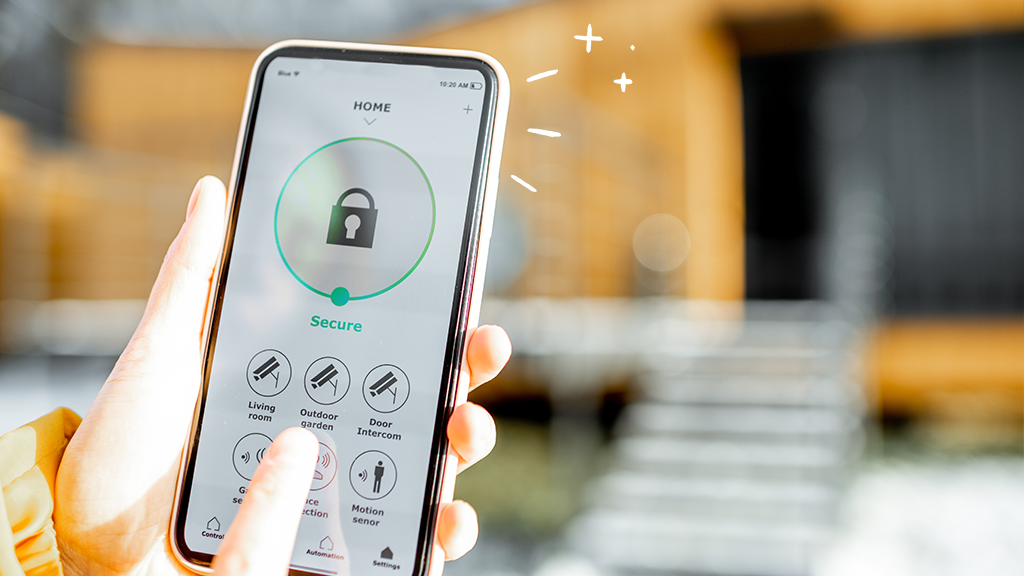
Indoor air can be filled with invisible pollutants, allergens, and particles that affect your comfort and wellbeing. With more people spending time at home, understanding and improving what you breathe indoors is more important than ever. Home air quality monitoring has evolved from simple detectors to advanced smart systems that provide real-time insights, alerts, and even automation to help you create a healthier living environment.
Modern solutions go beyond just detecting smoke or carbon monoxide. Today’s smart monitors track a range of factors including particulate matter, volatile organic compounds (VOCs), humidity, temperature, and even carbon dioxide. By integrating these technologies, you can take proactive steps to reduce risks and optimize your home’s air for better health and comfort.
For those interested in a holistic approach to home protection, integrating air quality monitoring with next-generation home security systems can provide an added layer of safety and peace of mind. These comprehensive systems can help you monitor, control, and respond to various risks throughout your living space.
Why Indoor Air Quality Matters
Many people are surprised to learn that indoor air can be two to five times more polluted than outdoor air. Common sources of indoor pollution include:
- Cooking fumes and smoke
- Pet dander and dust mites
- Cleaning chemicals and aerosols
- Mold spores and pollen
- Off-gassing from furniture and building materials
Exposure to these pollutants can trigger allergies, asthma, headaches, fatigue, and even long-term respiratory issues. Children, elderly family members, and those with pre-existing health conditions are especially vulnerable. That’s why home air quality monitoring is becoming a priority for health-conscious households.
How Smart Air Quality Monitors Work
Smart air quality monitors use a combination of sensors to detect and measure various airborne substances. These devices typically connect to your Wi-Fi network and provide data through a mobile app, web dashboard, or even voice assistants. Key features often include:
- Real-time tracking of pollutants like PM2.5, VOCs, CO2, and humidity
- Customizable alerts when levels exceed safe thresholds
- Historical data and trends to help you identify patterns
- Integration with smart home systems for automation (e.g., turning on air purifiers or fans)
- Remote access and notifications for peace of mind when you’re away
Key Benefits of Monitoring Air Quality at Home
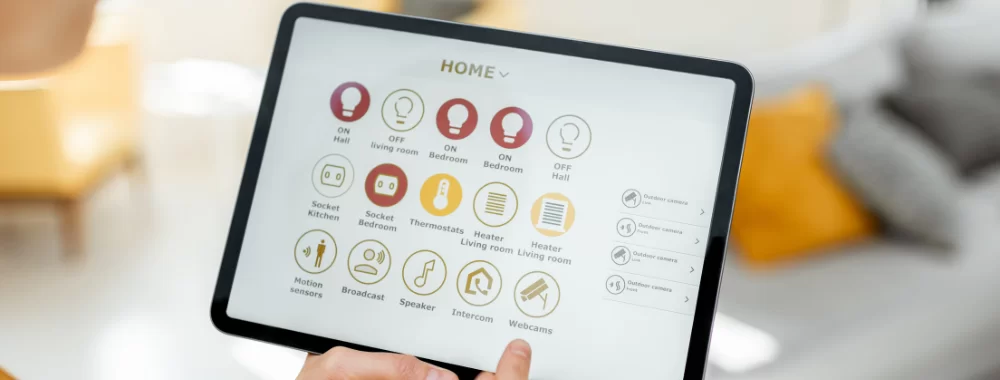
Investing in a smart monitoring system brings several advantages:
- Early Detection: Get instant alerts about dangerous levels of pollutants, allowing you to act before issues escalate.
- Healthier Living: Reduce triggers for allergies and asthma by identifying and addressing sources of poor air quality.
- Energy Efficiency: Some systems integrate with HVAC controls, optimizing ventilation and filtration for both comfort and savings.
- Peace of Mind: Know that your family is protected from invisible threats, even when you’re not at home.
- Data-Driven Decisions: Use historical trends to adjust cleaning routines, ventilation, or humidity control.
For those interested in broader home safety, consider exploring energy system protection at home for a comprehensive approach to risk management.
Choosing the Right Smart Air Quality Monitor
With a growing market, selecting the best device for your needs can feel overwhelming. Here are some criteria to help you decide:
- Sensor Range: Look for devices that measure multiple pollutants relevant to your household (e.g., PM2.5, VOCs, CO2).
- Accuracy: Research independent reviews and certifications to ensure reliable readings.
- Connectivity: Choose a monitor that fits with your existing smart home ecosystem (e.g., Alexa, Google Home, Apple HomeKit).
- Alerts and Automation: Opt for models that offer customizable notifications and can trigger other devices like air purifiers or fans.
- Ease of Use: A clear app interface and straightforward setup process make ongoing monitoring hassle-free.
Some advanced monitors also provide integration with other smart home and security devices, creating a seamless experience for managing both air quality and safety.
Integrating Air Quality Monitoring with Smart Home Systems
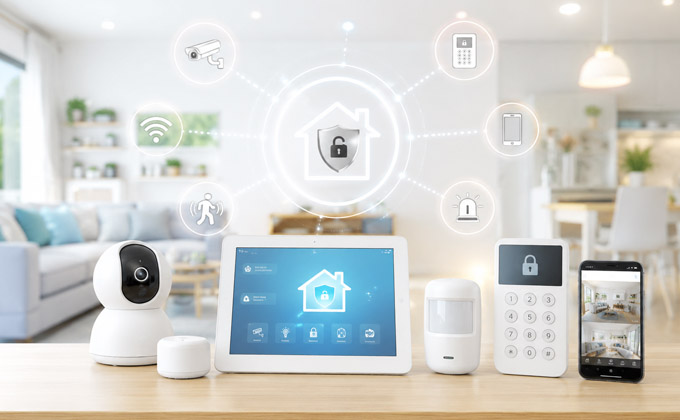
Combining home air quality monitoring with other smart devices can enhance both comfort and safety. For example, if your monitor detects high particulate levels, it can automatically activate an air purifier or adjust your HVAC system. Some systems also allow you to receive voice alerts or automate window fans for fresh air exchange.
For a look at how these technologies are shaping the future of home protection, see the article on future of home protection technology. Staying informed about trends ensures your home remains both safe and comfortable as new innovations emerge.
Tips for Improving Indoor Air Quality
While smart monitors provide valuable data, taking action is key to maintaining a healthy environment. Here are some practical steps:
- Ventilate regularly by opening windows or using exhaust fans, especially during cooking or cleaning.
- Use air purifiers with HEPA filters to capture fine particles and allergens.
- Keep humidity between 30–50% to prevent mold growth.
- Choose low-VOC paints, finishes, and cleaning products.
- Vacuum carpets and upholstery frequently to reduce dust and pet dander.
- Change HVAC filters as recommended by the manufacturer.
For a more comprehensive approach to personal risk management, you can refer to this proactive home protection guide that covers a range of strategies for safeguarding your living space.
Frequently Asked Questions
What pollutants do smart air quality monitors detect?
Most smart monitors track a combination of particulate matter (PM2.5 and PM10), volatile organic compounds (VOCs), carbon dioxide (CO2), carbon monoxide (CO), temperature, and humidity. Some advanced models may also detect radon, ozone, or formaldehyde.
How often should I check my indoor air quality?
With a smart system, your air quality is tracked continuously and you’ll receive alerts if levels become unsafe. It’s a good idea to review your data weekly and after activities that may affect air quality, such as deep cleaning or home renovations.
Can air quality monitors help with allergies or asthma?
Yes, by identifying spikes in allergens or irritants, these devices can help you take timely action—such as increasing ventilation or running an air purifier—which can reduce symptoms for allergy and asthma sufferers.
Conclusion
Smart technology has made it easier than ever to monitor and improve the air you breathe at home. By choosing the right system and integrating it with your broader home automation and security setup, you can enjoy a healthier, safer, and more comfortable living environment. For those planning further upgrades, consider exploring safe room planning at home and elderly safety monitoring at home for a truly comprehensive approach to household wellbeing.




