
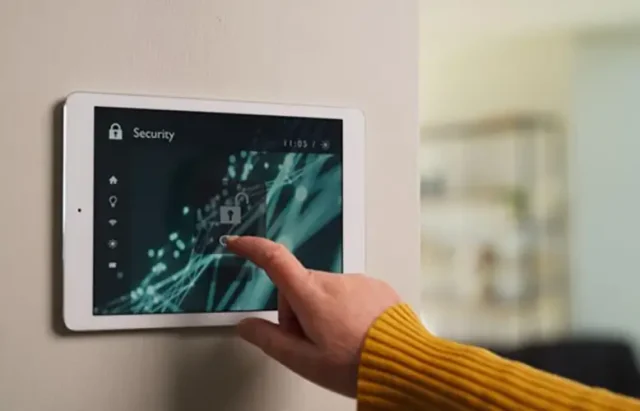
Finding ways to reduce the risks associated with your home can have a direct impact on your insurance costs. Insurers reward proactive homeowners who take steps to minimize potential claims, offering lower premiums and sometimes even additional coverage benefits. By understanding which improvements matter most and how to implement them, you can make your property safer while saving money in the long run.
This guide explores practical home insurance risk reduction tips that not only help protect your property and loved ones but also position you for better rates from your insurer. From upgrading security systems to maintaining your home’s infrastructure, these strategies are actionable and effective.
For those interested in advanced protection, consider exploring next-generation home security systems that offer features like smart monitoring and instant alerts. These upgrades can further reduce your exposure to risk and may qualify you for additional insurance discounts.
Why Risk Reduction Matters for Homeowners
Insurance companies calculate premiums based on the likelihood of claims. If your home is seen as high risk—due to outdated systems, lack of security, or environmental hazards—your rates will reflect that. By implementing risk reduction strategies, you demonstrate to insurers that you are a responsible homeowner, which can result in lower costs and improved coverage terms.
Common risks that impact premiums include:
- Burglaries and break-ins
- Fire hazards
- Water damage from leaks or floods
- Liability risks (such as unsafe walkways or pools)
- Natural disasters (storms, earthquakes, etc.)
Addressing these risks not only protects your investment but also helps you qualify for policy discounts and preferred rates.
Upgrade Security for Immediate Savings
One of the most effective home insurance risk reduction tips is to install or upgrade your security system. Modern solutions go beyond simple alarms, offering features like remote monitoring, smart locks, and integration with emergency services. Insurers often provide discounts for homes equipped with professionally monitored systems, as these significantly lower the risk of theft and property loss.
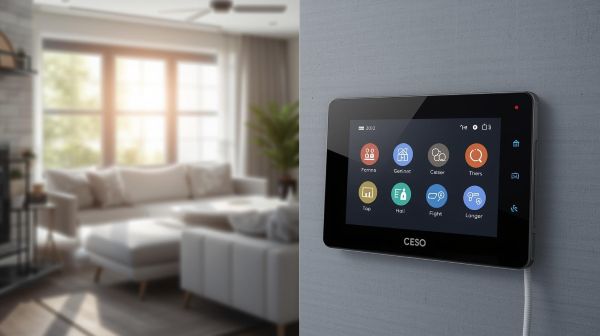
For a comprehensive overview of security options, this guide to home security for first-time homeowners provides valuable insights into the latest technologies and best practices. By choosing a system with smart features, you not only deter intruders but also gain peace of mind and potential insurance savings.
Maintain and Upgrade Home Infrastructure
Regular maintenance is a cornerstone of reducing insurance risks. Insurers look favorably on homes with updated electrical, plumbing, and roofing systems, as these are less likely to cause costly claims. Here are some practical steps:
- Inspect and repair your roof regularly to prevent leaks and water damage.
- Upgrade old wiring to reduce fire hazards.
- Replace aging plumbing to avoid burst pipes and flooding.
- Install smoke and carbon monoxide detectors throughout your home.
Documenting these upgrades and sharing them with your insurer can help you qualify for lower premiums. Preventive maintenance also extends the life of your home’s systems and reduces the likelihood of emergencies.
Smart Technology for Enhanced Protection
Integrating smart home devices is an increasingly popular way to minimize risk and appeal to insurers. Devices like water leak sensors, smart thermostats, and energy monitors can detect issues early and alert you before they become major problems. These technologies not only protect your property but also demonstrate your commitment to safety and efficiency.

For those with elderly family members or anyone needing extra support, elderly safety monitoring at home can further reduce risks and may be considered favorably by insurers. These systems offer real-time alerts and emergency response features, helping to prevent accidents and costly claims.
Reduce Liability Risks Around Your Property
Liability claims are a significant factor in home insurance pricing. Simple improvements can make a big difference:
- Keep walkways, driveways, and stairs in good repair to prevent slips and falls.
- Install proper lighting around entrances and pathways.
- Secure pools and trampolines with fences and safety covers.
- Trim trees and remove dead branches that could fall and cause injury or damage.
By addressing these areas, you reduce the chance of accidents and demonstrate to your insurer that you are committed to safety.
Disaster Preparedness and Environmental Upgrades
Depending on your location, natural disasters like floods, earthquakes, or hurricanes may be a concern. Taking steps to mitigate these risks can lead to insurance discounts and greater peace of mind:
- Install storm shutters or impact-resistant windows in hurricane-prone areas.
- Elevate utilities and use sump pumps in flood zones.
- Secure heavy furniture and appliances to walls in earthquake regions.
- Maintain defensible space around your home in wildfire-prone areas by clearing brush and debris.
Many insurers offer premium reductions for homes that meet certain disaster-preparedness standards. Check with your provider to see which upgrades are recognized in your area.
Keep Your Policy Up to Date
Regularly review your insurance policy and update it after making improvements. Notify your insurer about any risk-reducing upgrades, as they may not automatically apply discounts unless you provide documentation. Consider bundling your home policy with auto or other insurance products for additional savings.
Staying informed about digital threats is also important. For tips on securing your smart devices and network, see home digital safety strategies for a secure smart household.
FAQ: Home Insurance Risk Reduction
What are the most effective ways to lower my home insurance premiums?
Upgrading your security system, maintaining your home’s infrastructure, installing smart technology, and reducing liability risks are among the most effective methods. Documenting these improvements and sharing them with your insurer can help you qualify for discounts.
Do smart home devices really help reduce insurance costs?
Yes, many insurers recognize the value of smart home devices like security cameras, leak detectors, and energy monitors. These technologies can prevent or minimize damage, making your home less risky to insure and potentially lowering your premiums.
How often should I review my insurance policy?
It’s wise to review your policy annually or after any major home upgrade. Keeping your insurer informed about improvements ensures you receive all available discounts and that your coverage reflects your current needs.
Can I get discounts for elderly safety or medical alert systems?
Some insurers offer discounts for homes equipped with medical alert systems for home use or elderly safety monitoring. These systems reduce the risk of injury and emergency claims, making them attractive to insurance providers.
Conclusion
Implementing home insurance risk reduction tips is a proactive way to protect your property, loved ones, and finances. By investing in security upgrades, maintaining your home, integrating smart technology, and addressing liability risks, you not only create a safer environment but also position yourself for lower insurance premiums. Stay informed, keep your policy updated, and work with your insurer to maximize your savings and coverage.




